National Dish Nepal: Gundruk (Recipe)
In this article
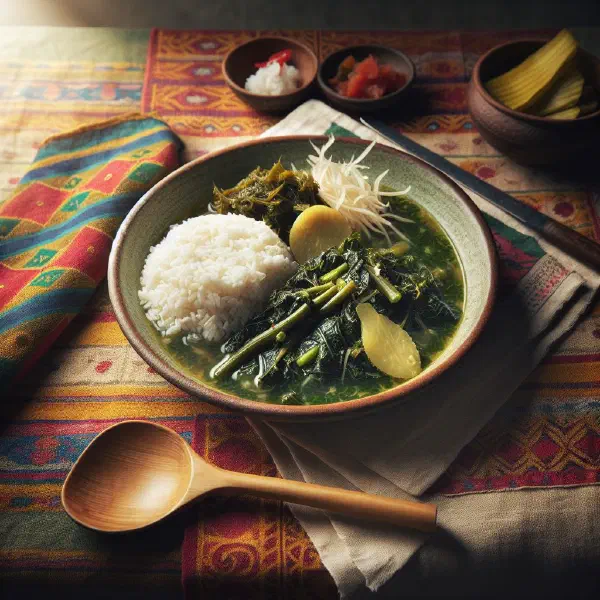
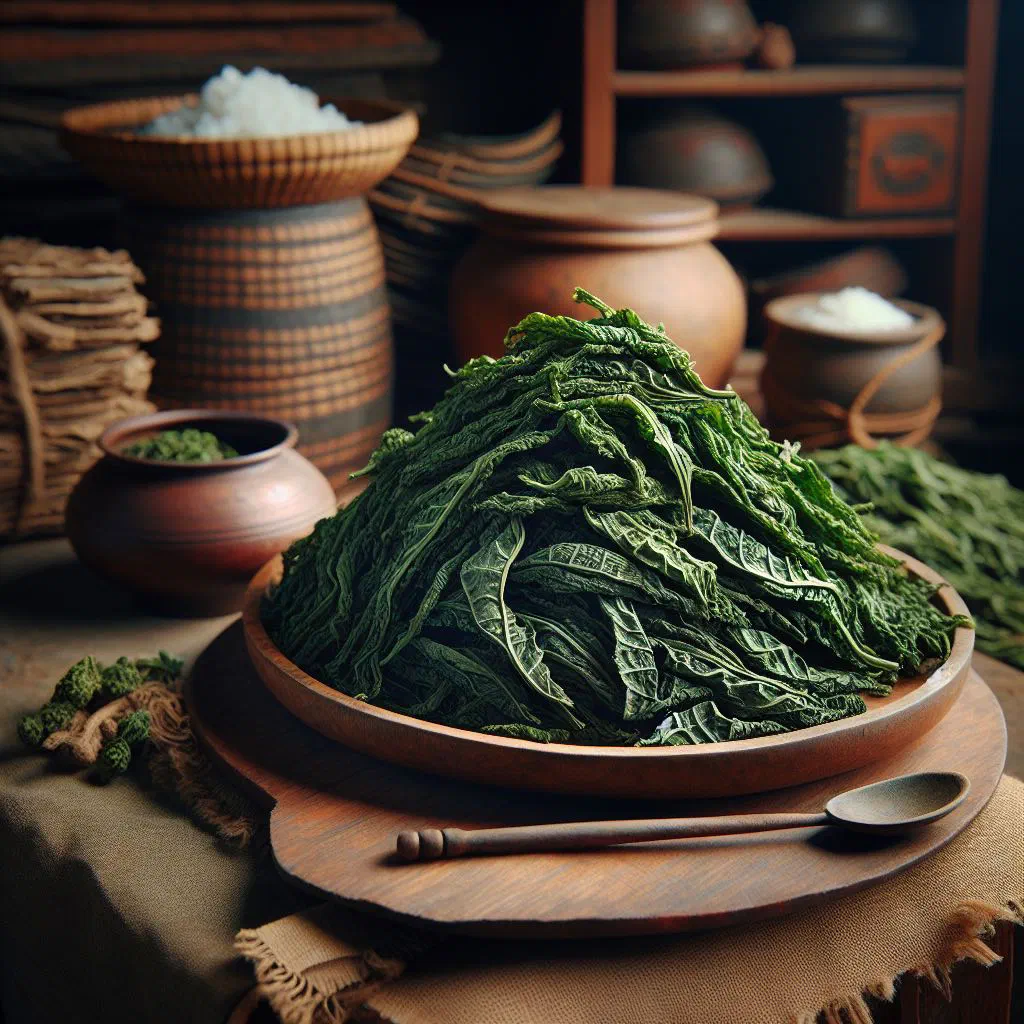
Meet Gundruk, one of Nepal’s most treasured everyday staples and a true taste of the Himalayas. This fermented and dried leafy green carries a bright, tangy character that livens up any table, from a simple weeknight plate of rice to a warming winter meal. Born of an age-old preserving tradition, it packs an intense, sour aroma into humble mustard or spinach leaves. Bring a little Himalayan soul to your own kitchen with this simple, nourishing recipe.
About Gundruk
Gundruk is a traditional Nepalese dish, or more precisely, a fermented and then dried leafy green. It has its origins in the Himalayan regions, where people used this preserving technique to make vegetables last through the cold months. Gundruk is usually made from leafy greens such as mustard leaves, spinach or other robust leaves. Its distinctive flavour comes from the fermentation: gently sour, intense and wonderfully aromatic. In the kitchen the finished, dried gundruk is later simply soaked and then cooked or fried, the fermentation itself is already complete by this point.
Ingredients (serves 1–2)
- 100 g dried gundruk leaves
- 1 medium onion
- 2–3 garlic cloves
- 1 teaspoon mustard seeds
- 1 teaspoon turmeric
- Salt to taste
- 2–3 tablespoons oil (e.g. sunflower or sesame oil)
- Water as needed
Shopping for the ingredients
If you would like to make gundruk, start by gathering all the necessary ingredients. Dried gundruk is available in Asian grocery shops or stores selling international specialities. Make sure the leaves are genuinely sold as fermented and dried. That is the traditional product. The other ingredients, such as onions, garlic and spices, are easy to find in any supermarket and round out the flavour without masking the characteristic sourness of the gundruk.
Preparing the dish
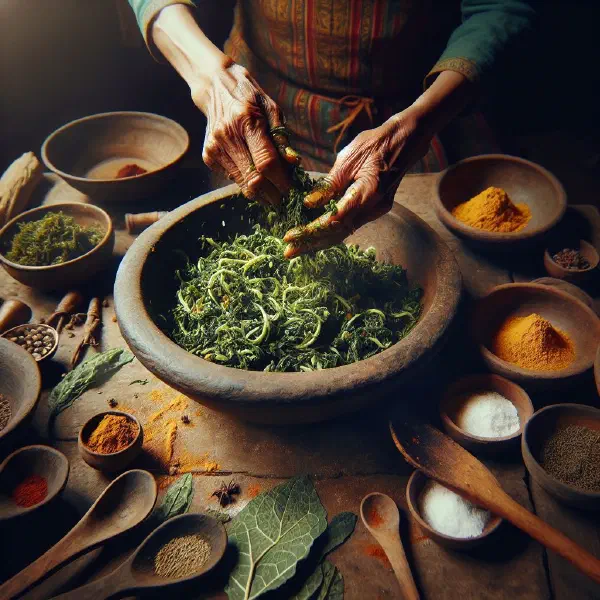
Preparing gundruk in the kitchen is refreshingly straightforward. The key is understanding one thing: if you use dried gundruk, it is already fermented, the soaking only serves to soften the leaves again and, if you wish, to mellow the intensity a little. Rinse the leaves thoroughly and then leave them to soak. Depending on how strong you would like the flavour, you can change the soaking water once. After that the gundruk is treated like any vegetable and briefly cooked or fried.
Step-by-step instructions
- Soak the dried gundruk leaves in warm water for about 20–30 minutes.
- Rinse the leaves, let them drain and roughly chop them as needed.
- Finely chop the onion and garlic.
- Heat the oil in a pan and add the mustard seeds until they begin to pop.
- Add the onion and garlic and fry until golden brown.
- Add the soaked gundruk leaves to the pan.
- Season with turmeric and salt and stir well.
- Add a little water to keep the dish moist and let it simmer for about 10–15 minutes.
- Stir well and serve hot.
Gluten-free / lactose-free version
Gundruk is naturally gluten-free and lactose-free, which makes it an ideal dish for anyone with special dietary needs. When preparing it, you can make sure that no gluten-containing ingredients such as wheat flour or soy sauce are used, so the integrity of the dish is preserved. Reach for plant-based oils that are entirely vegetable in origin to support a vegan and gluten-free preparation. Enjoy this dish without a second thought, whether you have allergies or simply prefer a gluten-free diet.
Tips for vegans and vegetarians
For vegans and vegetarians, gundruk is especially recommended, as it is naturally plant-based and contains a wealth of nutrients. To make the dish even more nourishing, you can add further vegetables such as carrots or green pepper. These additions complement the flavour and improve the texture and the nutritional value. On top of that, you can adjust the spices to tailor and vary the dish to your own taste. It pairs beautifully with a plate of Bhuteko Bhat for a fuller meal.
More tips and tricks
It is important to understand gundruk correctly: with dried gundruk, no actual fermentation happens any more in the kitchen, the product has already been fermented and then dried. The soaking mainly controls the texture and the intensity. For a stronger flavour, soak it more briefly and do not change the water; for a milder version, rinse thoroughly and change the soaking water once. Store dried gundruk well sealed, cool and dry so that its aroma and quality are preserved.
Adapting the recipe to your taste
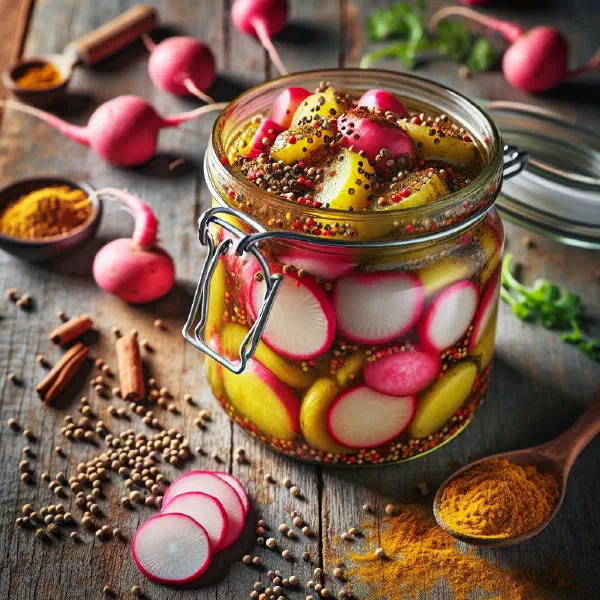
You can adapt the gundruk recipe to your own preferences by experimenting with different vegetables and spices. For instance, you can add chillies to give the dish more heat. Or you can use different oils to vary the flavour. The key is to be creative and try out various combinations until you have found the perfect balance for your palate. A tangy Aloo Ko Achar on the side makes a lovely companion.
Ingredient substitutions
If you cannot find gundruk, there are alternatives you can use to make a similar dish. Leaves such as sorrel, spinach or even kale are good substitutes. These alternatives also offer a nutritious base and can be prepared in much the same way. Bear in mind, though: without the step of fermentation you end up with a different flavour. Anyone who wants to get closer to the original can first ferment leafy greens and then dry them before using them as described here.
Drink pairing ideas
A range of drinks goes well with gundruk and can round off the flavour experience. Traditionally, many Nepalese drink lassi, a yoghurt drink that makes a wonderful accompaniment to spiced food. Tea, too, especially green tea or herbal tea, harmonises nicely with the dish’s aromas. Alternatively, you might choose a light, sparkling drink that pleasantly balances the spice and hearty flavour of the gundruk on the palate. A cup of Nepalese Masala Tea is another fitting choice.
Serving and presentation ideas
The presentation of gundruk can be decisive for the whole dining experience. Serve the dish in a beautiful bowl, for example, garnish it with fresh herbs such as coriander or parsley, and offer it with warm rice or bread. Adding a slice of lemon also lends the dish an appealing touch. An attractive presentation not only whets the appetite but makes the culinary pleasure feel all the more special. It sits happily alongside a plate of Dal Bhat.
A bit of history
The tradition of fermentation in Nepal reaches back many centuries and has deep roots in the country’s culture. Gundruk was originally a way to preserve fresh vegetables for the cold winter months. Traditionally, leafy greens are lightly wilted, fermented in a vessel or earthen pit and then dried in the sun. In the kitchen this dried gundruk is later soaked again and cooked, so it keeps for a long time and is always ready to use. Today gundruk enjoys great popularity not only in Nepal but internationally, thanks to its unique aroma and its place in Nepalese cuisine.
More recipe ideas
Summary: Gundruk
Gundruk is a hearty and savoury fermented product that is delicious and offers plenty of nutrients. Preparing it in the kitchen is simple: dried gundruk is already fermented and is mainly soaked and then briefly heated. With its unique history and cultural significance in Nepal, gundruk is a dish that truly deserves a try. Let the aromas of Nepalese cuisine tempt you and enjoy this versatile and wholesome dish.