National Dish Nepal: Karela Tarkari (Recipe)
In this article
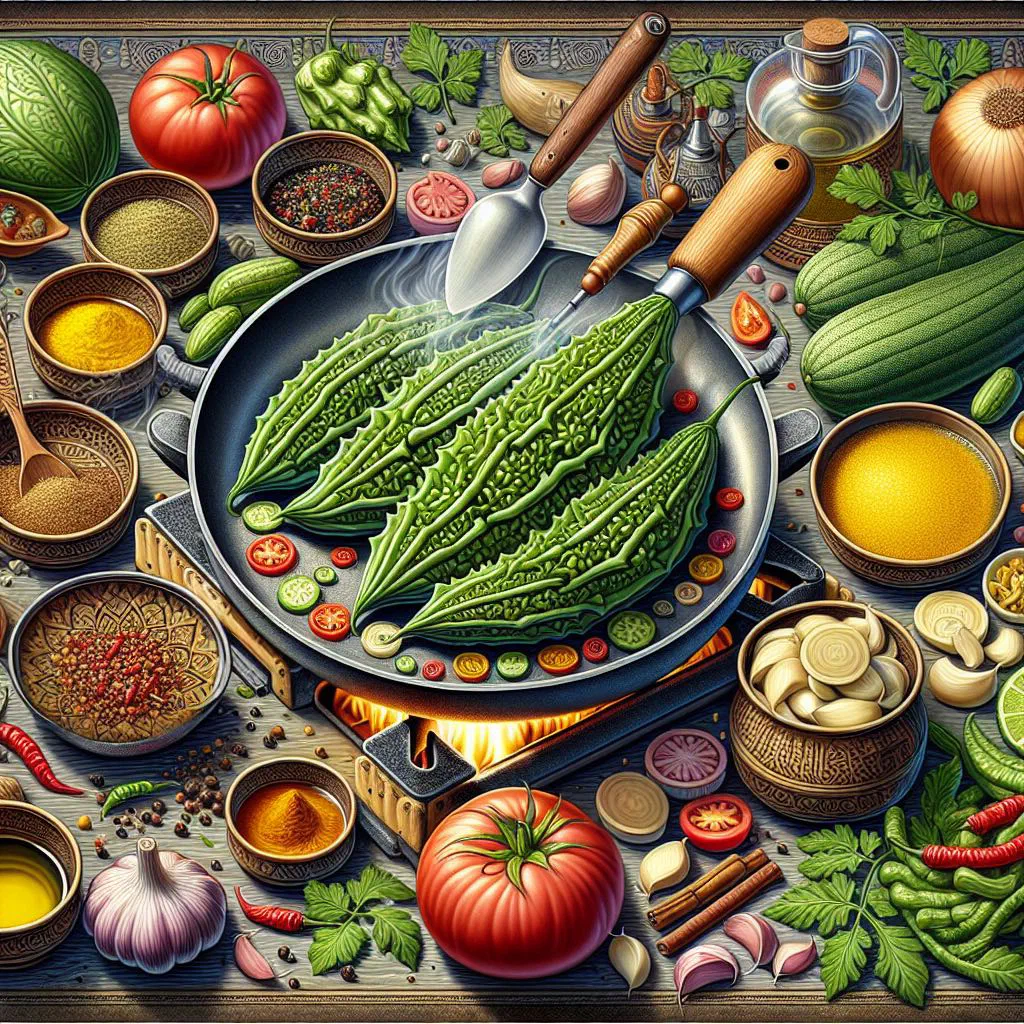
Meet Karela Tarkari, a hearty vegetable dish from the hills of Nepal that turns the humble bitter gourd into something genuinely special. Its bittersweet character is balanced by warming spices, sweet onion and juicy tomato, making for a dish that is as nourishing as it is full of flavour. Long prized for the health benefits of its star ingredient, it offers a wonderful window into the everyday cooking of Nepalese homes, earthy, wholesome and quietly satisfying.
About Karela Tarkari
Karela Tarkari is a savoury dish from Nepalese cuisine that celebrates the distinctive bittersweet note of the bitter gourd, known locally as karela. Often regarded as a national favourite, it reflects the country’s culinary traditions while remaining both healthy and nourishing. The pairing of fresh spices and vegetables gives it a flavour all its own, one that appeals to locals and visitors alike. Many people also value the medicinal qualities of bitter gourd, which is widely believed to have a positive effect on wellbeing.
Ingredients (serves 1–2)
- 2 medium bitter gourds (karela)
- 1 onion, finely chopped
- 2–3 cloves garlic, crushed
- 1 tomato, diced
- 1 teaspoon cumin seeds
- 1/2 teaspoon turmeric powder
- 1/2 teaspoon chilli powder (to taste)
- Salt to taste
- 2 tablespoons vegetable oil
Shopping for the ingredients
When shopping for karela tarkari, the freshness of the bitter gourds matters most. Look for a lively green colour with no dark spots or discolouration. Onions, garlic and tomatoes form the backbone of the flavour, so it is worth buying these fresh too. Spices can often be bought in larger quantities from Asian or Indian grocery shops, which usually works out more cost-effective. Many of these items also share a pantry with dishes such as Chana Masala.
Preparing the dish
Preparing Karela Tarkari begins with cleaning and readying the bitter gourds. Wash them thoroughly, cut each one in half and scrape out the seeds. An important step is to rub the insides lightly with salt and leave them to stand for a few minutes. This helps to mellow the gourds’ bitterness and leaves them more tender once cooked.
Step-by-step instructions
- Rinse the prepared bitter gourds and drain them well.
- Heat the oil in a pan and add the cumin seeds, frying until fragrant.
- Add the onion and garlic and cook until golden brown.
- Stir in the diced tomato and simmer for a few minutes until softened.
- Add the turmeric, chilli powder and salt, and mix well.
- Add the bitter gourds to the pan and toss everything together thoroughly.
- Cover the pan and cook over low heat for around 15–20 minutes, until the gourds are tender.
Gluten-free / lactose-free version
Karela Tarkari is naturally gluten-free and lactose-free, which makes it an excellent choice for anyone with intolerances. It is worth checking that all the spices and oils you use are free from added gluten as well, so everyone can enjoy it without a second thought. This quality makes the recipe ideal for a wide range of diets, much like a comforting bowl of Dal Bhat.
Tips for vegans and vegetarians
Karela Tarkari is healthy and a superb option for vegans and vegetarians. Since every ingredient is plant-based, there is no need to worry about animal products at all. For extra nourishment you can add vegetables such as carrots or potatoes. Just avoid stirring in any animal fats to keep the dish fully vegan.
More tips and tricks
To deepen the flavour of Karela Tarkari, try experimenting with different spices. A pinch of asafoetida or a little tamarind can add another dimension of taste, while marinating the gourds before cooking helps to reduce their bitterness further. It is also worth garnishing the finished dish with fresh coriander or chilli to give it an extra lift.
Adapting the recipe to your taste
There are many ways to tailor Karela Tarkari to your own preferences. Anyone who loves plenty of vegetables might add peppers or courgette to make the dish more colourful and nutritious. You can also dial the heat up or down by adjusting the amount of chilli powder. This way every guest can shape the dish to suit their own palate.
Ingredient substitutions
If bitter gourds are hard to find, the dish can also be made with other vegetables such as courgette or aubergine, though the flavour will shift slightly. For anyone who is not keen on turmeric, it can be left out or swapped for spices like garam masala. That flexibility makes the recipe easy to adapt and a great way to experiment with seasonal produce. Try a similar approach with Zucchini Ko Tarkari.
Drink pairing ideas
A number of drinks pair particularly well with Karela Tarkari. A traditional Nepalese Masala Tea is wonderful for complementing the dish’s aromas. For an alcohol-free option, freshly pressed fruit or vegetable juices make a refreshing accompaniment, while a simple glass of mineral water is always a good way to cool the palate between bites.
Serving and presentation ideas
The presentation of Karela Tarkari can noticeably enhance the pleasure of the meal. Serve it in an attractive bowl and garnish with fresh herbs such as coriander or mint. A spread of colourful sides, yellow rice or chapati, for instance, also adds to the visual appeal. Finish by arranging everything on a handsome plate or tray to bring the whole spread together beautifully.
A bit of history
Karela Tarkari has its roots in Nepal’s rich culture and cuisine. Bitter gourds are prized not only in Nepal but across many parts of Asia, where they are celebrated for their health benefits. Traditionally the dish has been passed down from generation to generation, with many families developing their own recipes and adaptations. This makes it something of a symbol of tradition and identity within Nepalese food culture.
More recipe ideas
Summary: Karela Tarkari
In short, Karela Tarkari is a dish that impresses with its unique flavour and with its health benefits. It is an excellent choice for anyone keen to get to know Nepalese cooking a little better. With its simple ingredients and its readiness to be adapted, it suits beginners and experienced cooks alike. Give this dish a try and bring the flavours of Nepal into your own kitchen.