National Dish Nepal: Kodo Ko Roti (Recipe)

In this article
Meet Kodo Ko Roti, a wholesome millet flatbread from the hills of Nepal that has fed Himalayan communities for generations. Made from little more than ground millet, water and a pinch of salt, it is naturally gluten-free, gently nutty in flavour and deeply nourishing. Served warm alongside a spicy pickle or a bowl of curry, this humble bread offers a delicious window into the everyday food of Nepal, and it is remarkably simple to recreate in your own kitchen.
About Kodo Ko Roti
Kodo Ko Roti is a traditional Nepalese flatbread made from millet flour. More than just a staple, it is a lovely example of the versatility of Nepalese cooking, showing how a single humble grain can become the backbone of a satisfying meal. It is often served with an assortment of spicy accompaniments that beautifully complement the mild, nutty character of the bread. For vegetarians and health-conscious cooks alike, Kodo Ko Roti is an excellent choice, being rich in nutrients and wonderfully easy to digest.
Ingredients (serves 1–2)
- 1 cup millet flour
- 1/2 cup water (as needed)
- 1/2 teaspoon salt
- 1 tablespoon oil (optional)
Shopping for the ingredients
The ingredients for Kodo Ko Roti are widely available in Asian grocery shops and organic supermarkets. The millet flour can occasionally be tricky to track down, so it is worth searching online for a reliable supplier as well. Many shops now stock organic-certified millet flour, which appeals to health-conscious buyers. Do check that the flour is fresh, as this ensures the best possible flavour and the highest nutritional value.
Preparing the dish
Before you start making Kodo Ko Roti, make sure all your ingredients are to hand and that your utensils, a frying pan and a work surface for shaping the dough, are ready to go. Preparing the dough is the first step and takes very little time. Combine the millet flour with the water and salt in a bowl, mixing until you have a smooth, workable dough. Let it rest for around 10–15 minutes so it can develop its structure.
Step-by-step instructions
- Divide the dough into small portions and shape each one into a flat disc.
- Heat a pan over medium heat and add a little oil (if using).
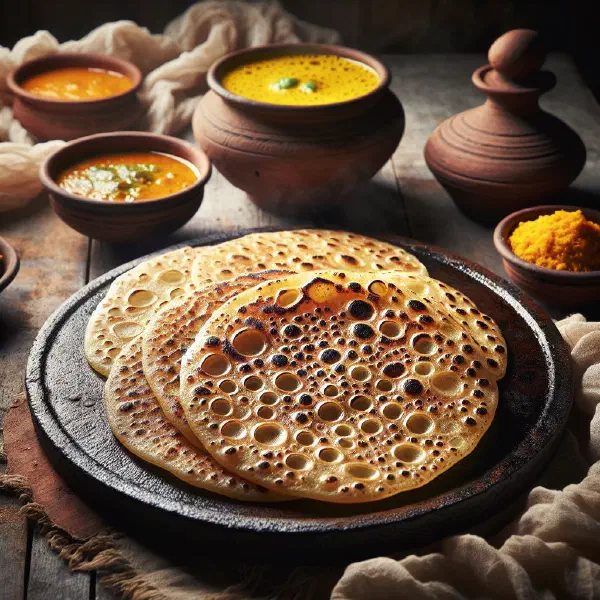
- Place the dough discs into the pan and cook for around 3–4 minutes on each side, until golden brown.
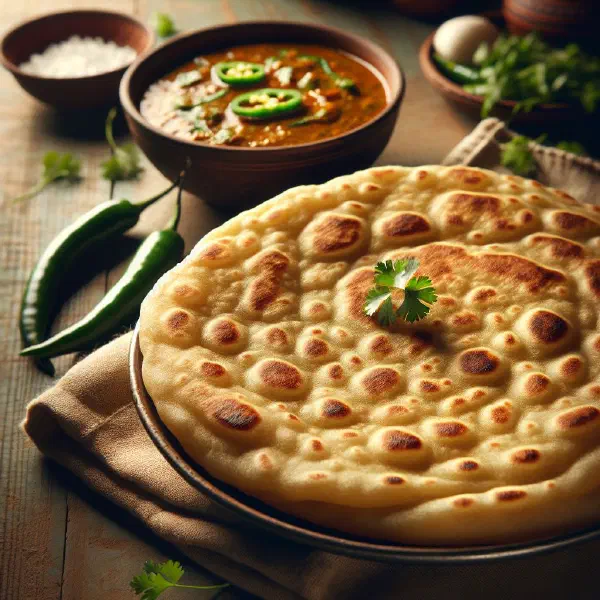
- Serve the Kodo Ko Roti warm and enjoy with your favourite accompaniments.
Gluten-free / lactose-free version
Because Kodo Ko Roti is made entirely from millet flour, the recipe is naturally gluten-free. For anyone with a lactose intolerance, using water rather than milk when mixing the dough is a simple way to keep the dish suitable for your needs. Take care to choose lactose-free accompaniments too, so the whole meal remains easy on the stomach. This flexibility makes Kodo Ko Roti a superb option for many different diets, much like the naturally light Dhido.
Tips for vegans and vegetarians
Kodo Ko Roti is naturally vegan and offers a great plant-based source of nourishment. The accompaniments served with it can easily be adjusted to provide a variety of flavourful vegan options. Vegetable-rich curries or fresh salads work especially well, echoing the nutty taste of the bread. Experiment with different spices and herbs to bring even more depth to the flavours, a spoonful of tangy Aloo Ko Achar on the side never goes amiss.
More tips and tricks
An important tip when making Kodo Ko Roti is not to knead the dough for too long, as over-working it can affect the texture of the bread. If you prefer your roti especially crisp, raise the heat of the pan a little. Adding a touch of ghee or vegetable oil to the pan brings extra richness and flavour. Fresh vegetables, lightly steamed or pan-fried, also make an excellent accompaniment.
Adapting the recipe to your taste
The wonderful thing about Kodo Ko Roti is its versatility. You can scale the quantities up or down depending on how many portions you want to make. Simply add a little more or less water. You can also work different spices into the dough to give the flatbread your own personal touch, a pinch of cumin or coriander adds intriguing aromas.
Ingredient substitutions
If you cannot find millet flour, Kodo Ko Roti can also be made with other gluten-free flours such as rice flour or cornmeal. These alternatives shift the flavour slightly but offer a similar texture. For a richer consistency, you can even blend several flours together. The choice of accompaniments is just as flexible. Try it with bean salads or a cooling raita to find your perfect match, or pair it with a warming bowl of Aloo Tama.
Drink pairing ideas
To round off the Kodo Ko Roti experience, you can serve a range of drinks. Masala chai is an excellent choice that harmonises beautifully with the flavours of the bread. Nepalese lassi or a mint lemonade also pair perfectly and add a refreshing note. For an alcoholic alternative, a light beer or a fruity wine shows the flatbread off nicely.
Serving and presentation ideas
An attractive presentation can lift the whole eating experience considerably. Serve Kodo Ko Roti on a slate board or a colourful wooden platter and arrange the accompaniments neatly alongside. Fresh herbs or bright touches such as lime wedges help the colours on the plate stand out. Choosing appealing serving dishes completes the culinary experience.
A bit of history
Kodo Ko Roti has its roots in traditional Nepalese cuisine and reflects the cultural diversity of the country. Millet is regarded as a staple in many mountain regions, where it is harvested under demanding conditions. Historically, the bread was valued by local communities as an easily digestible source of nourishment. It has since found its place not only in modern Nepalese gastronomy but has also gained popularity internationally, standing alongside classics of Nepalese cuisine such as Dal Bhat and momo.
More recipe ideas
Summary: Kodo Ko Roti
Kodo Ko Roti is far more than a simple flatbread; it is a symbol of Nepalese identity and an expression of the country’s cultural richness. With its straightforward preparation and the many possible pairings with accompaniments, it is a wonderful choice for any meal. This nourishing dish is delicious and suits a range of diets. Let the edible traditions of Nepal inspire you and enjoy the flavours of Kodo Ko Roti in your own home.