National Dish Nepal: Lakhamari (Recipe)
In this article
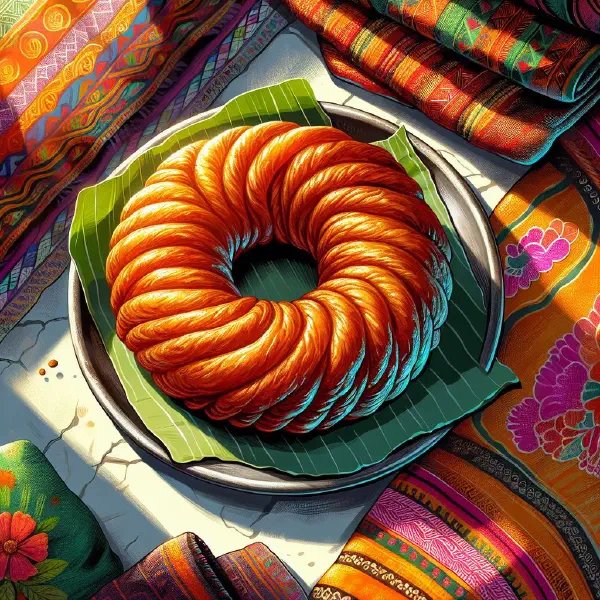
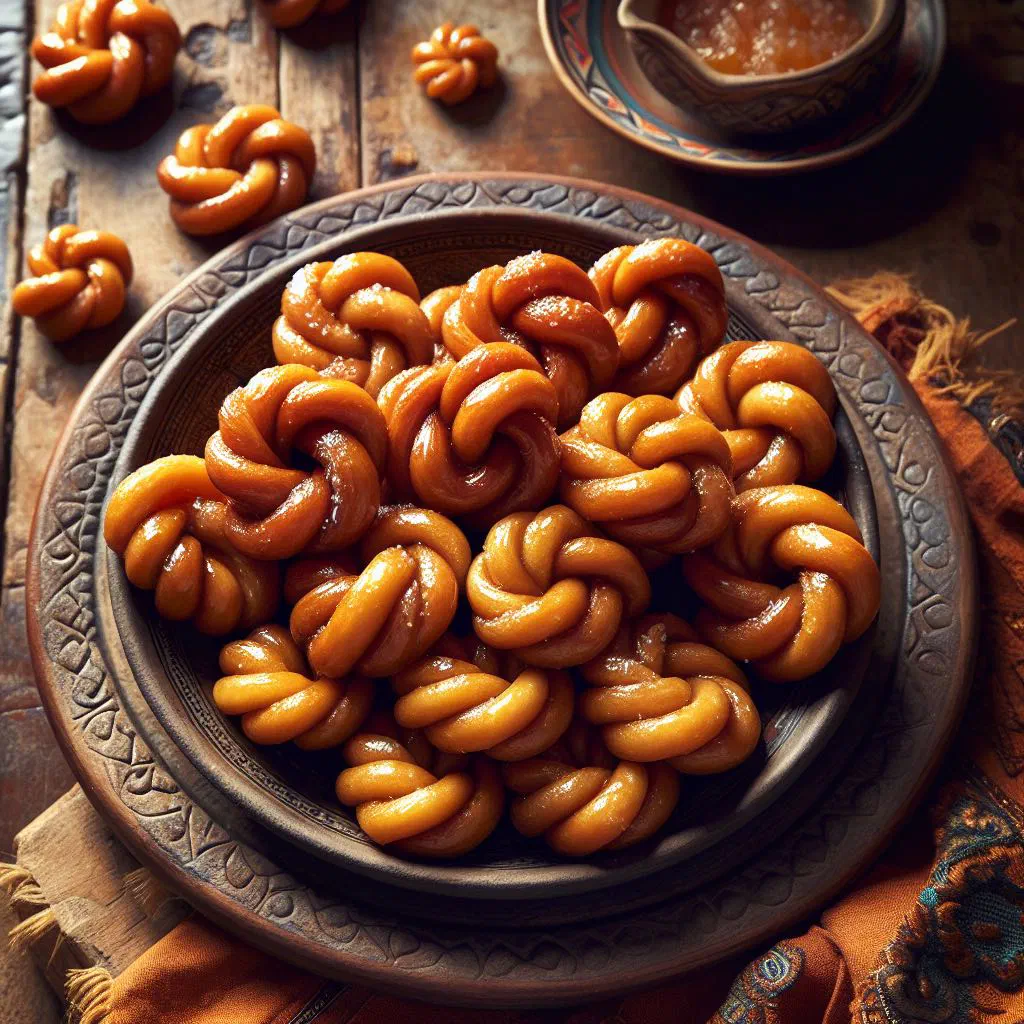
Meet Lakhamari, a traditional Nepalese pastry with a wonderfully crisp bite and a gently sweet, spiced flavour. This much-loved treat turns up at festive celebrations and weddings, yet it is just as welcome as an everyday nibble with a cup of tea. Built from little more than flour, sugar and fragrant ghee, it is a perfect window into the warmth and hospitality of Nepalese kitchens. Let the rich food culture of the Himalayas inspire you to bake a batch of your own.
About Lakhamari
Nepalese Lakhamari is a traditional pastry celebrated for its crisp texture and its sweet, delicately spiced aroma. It is often served at festive occasions, but it is equally enjoyed as a simple snack throughout the day. The combination of warming spices, sugar and flour makes Lakhamari a firm favourite among those with a sweet tooth. Let the unique culture of Nepal and its delicious traditions inspire your next bake.
Ingredients (serves 1–2)
- 250 g plain flour
- 100 g sugar
- 50 g ghee or butter
- 1 tsp baking powder
- 1 tsp aniseed (or fennel-style seeds)
- A splash of water (as needed)
- A pinch of salt
Shopping for the ingredients
To make delicious Lakhamari, you need only a handful of easy-to-find ingredients. Most of them are readily available in a well-stocked supermarket or an Asian grocery. Be sure to choose good-quality flour and fresh spices so you get the very best flavour. The ghee or butter should be rich and aromatic, as it makes a real difference to the taste of the finished pastry.
Preparing the dish
Before you start making the Lakhamari, it helps to get your ingredients ready. Measure everything out precisely and let the ghee or butter come up to room temperature, which makes the mixture far easier to work with later. A large table or a clean, roomy surface is ideal for rolling out the dough and shaping the pastries.
Step-by-step instructions
- Combine the flour, baking powder and a pinch of salt in a large bowl.
- Add the ghee or butter and rub it in with your fingertips until the mixture is crumbly.
- Stir in the sugar and the spices until everything is evenly mixed.
- Slowly add a splash of water and knead the dough until it is smooth and pliable.
- Divide the dough into small portions and shape each one into a flat disc.
- Heat a pan and cook the discs until they are golden-brown on both sides.
- Leave the Lakhamari to cool on a kitchen towel, then serve.
Gluten-free / lactose-free version
For a gluten-free version of the Lakhamari, you can use a gluten-free flour such as rice flour or a ready-made gluten-free blend. Make sure the ghee or butter is lactose-free, or swap it for plant-based margarine or coconut oil. These simple tweaks keep the flavour of the Lakhamari intact while meeting different dietary needs.
Tips for vegans and vegetarians
For a vegan Lakhamari, replace the ghee or butter with a plant-based alternative. Coconut oil or vegan margarine both work beautifully and do nothing to dull the pastry’s sweet flavour. You might also reach for vegan sweeteners such as agave syrup or coconut sugar to round out the recipe. Just double-check that all your other ingredients are vegan so the finished bake fits the bill.
More tips and tricks
For the best texture and flavour in your Lakhamari, take care not to overwork the dough, knead it only until it is even and smooth. Once baked, you can dust the pastries with a little icing sugar for an extra-sweet finish. Lakhamari keeps for a few days when stored somewhere cool, though it truly tastes best fresh from the pan.
Adapting the recipe to your taste
Lakhamari is a wonderfully versatile pastry that is easy to tailor to different palates. Fold in chopped nuts or dried fruit, for example, to vary both texture and flavour. Playing with different spices such as cinnamon or nutmeg can open up brand-new taste experiences too. Let your creativity run free and craft your own signature version of this treat, much as you might with a batch of Anarsa.
Ingredient substitutions
If you find yourself short of a particular ingredient, there are plenty of alternatives for Lakhamari. In place of ghee you can use vegetable oil, which offers a similar fat content. For sweetness, honey or agave nectar make good natural swaps. Depending on your preference, almond or oat milk can also be added as the liquid to improve the consistency of the dough, a trick that comes in handy for many sweets, from Ghiu Chaku to Pustakari.
Drink pairing ideas
To enjoy your delicious Lakhamari at its best, I recommend an aromatic Nepalese Masala Tea or a refreshing lassi. A fresh fruit tea also goes wonderfully with the pastry. Which drink you choose can vary with the occasion and your own taste.
Serving and presentation ideas
To present Lakhamari attractively, arrange the pastries on a decorative plate and garnish with a few fresh herbs. Matching the colour of the serving dish to the golden-brown pastries lifts the look of the whole spread. Serving them alongside a bowl of honey or a dip made from fresh fruit adds an extra flourish. Edible flowers round off the presentation and turn the moment into a complete experience.
A bit of history
The tradition of Lakhamari has its roots in the rich and varied culinary practices of Nepal. In many Nepalese households this pastry is prepared for special festivals and celebrations, reflecting the cultural richness of the country. It appears especially often during religious holidays and weddings. The influence of spices and preparation techniques handed down over generations is an essential part of Nepalese cuisine, which also gives us treats like Sel Roti.
More recipe ideas
Summary: Lakhamari
Lakhamari is more than just a snack; it is a piece of Nepalese culture and tradition. With its crisp texture and its sweet, spiced aromas, it is perfect for festive occasions or simply for nibbling. A few easy adjustments let you make the recipe your own, so everyone can find their personal favourite. Give this traditional pastry a try and discover the delicious variety of Nepal.