National Dish Nepal: Methi Ko Paratha (Recipe)
In this article
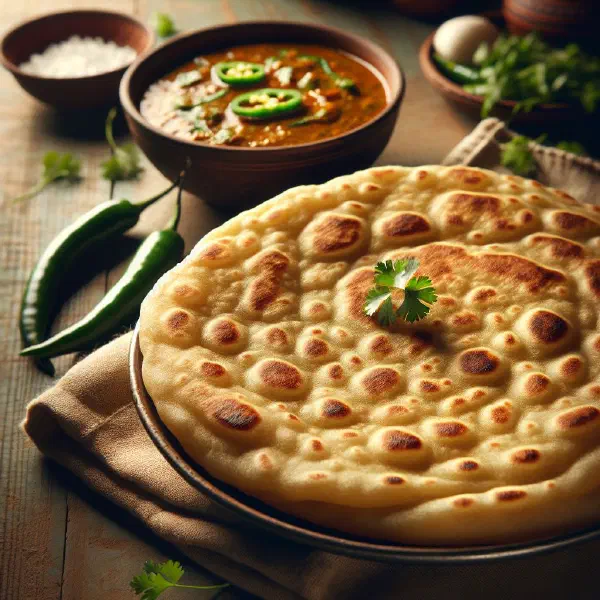
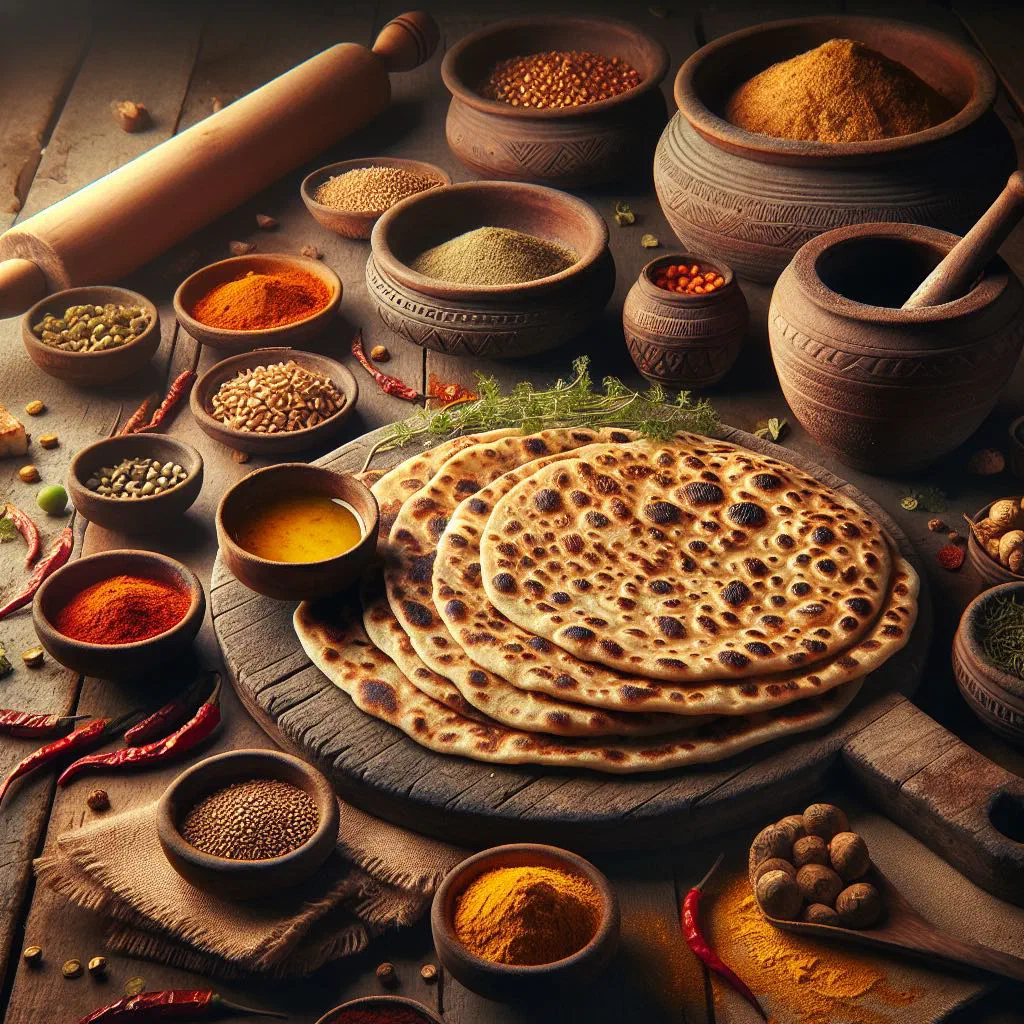
Bring the aromas of the Himalayas to your kitchen with Methi Ko Paratha, a rustic Nepalese flatbread shot through with the nutty, faintly bitter flavour of fresh fenugreek leaves. Quick to make with just a handful of pantry staples, these golden, pan-fried breads are wonderfully versatile. Perfect as a light lunch on their own or as a soft, fragrant companion to a hearty curry. Simple, wholesome and full of character, they are a lovely taste of everyday home cooking in Nepal.
About Methi Ko Paratha
Methi Ko Paratha is a traditional Nepalese dish made from pan-fried flatbread and the distinctive flavour of fresh methi leaves, better known as fenugreek leaves. These nutty, aromatic herbs lend the bread a special note that is as good for the palate as it is for your wellbeing. The preparation is straightforward and calls for only a few ingredients, which makes this dish ideal for any occasion, whether as a light lunch or as a side to a hearty curry. Let the rich variety of Nepalese cuisine inspire you and enjoy a piece of culinary heritage in your own home.
Ingredients (serves 1–2)
- 1 cup wholemeal flour
- 1 cup fresh fenugreek leaves, roughly chopped
- 1/2 teaspoon turmeric
- 1/2 teaspoon garam masala
- Salt to taste
- Water (as needed)
- Oil or ghee, for frying
Shopping for the ingredients
The ingredients for methi ko paratha are easy to find in most Asian or Indian grocery shops. Fresh fenugreek leaves can often be bought at specialist markets or in the vegetable section of larger supermarkets. If you want an even more authentic result, look for organic produce to boost both the flavour and the quality. Wholemeal flour and spices such as garam masala also come in various blends, giving you plenty of scope to tailor the bread to your own preferences.
Preparing the dish
Before you start cooking in earnest, gather all your ingredients and make sure you have a clean work surface. Wash the fenugreek leaves thoroughly to remove any grit or tiny insects. Pat them lightly dry and chop them roughly to release their aroma. Measure out the wholemeal flour and keep the spices and a little salt within easy reach so the whole process moves along quickly.
Step-by-step instructions
- In a large bowl, combine the wholemeal flour with the chopped fenugreek leaves, turmeric, garam masala and salt.
- Gradually add water and knead to a smooth dough. Leave it to rest for about 15 minutes.
- Divide the dough into small portions and shape them into balls.
- Roll out one ball thinly on a floured surface.
- Add a little oil or ghee to a hot pan and fry the flatbread until golden brown on both sides.
- Serve the parathas warm, ideally with yoghurt or pickles.
Gluten-free / lactose-free version
If you would like to make a gluten-free version of methi ko paratha, you can swap the wholemeal flour for alternatives such as rice flour or chickpea flour. These flours have different textures and flavours, but they can still produce a tasty paratha. For a lactose-free preparation, simply use vegetable oil in place of ghee and serve the parathas with plant-based yoghurt substitutes. These adjustments make the dish accessible to a much wider audience.
Tips for vegans and vegetarians
The recipe for methi ko paratha is naturally vegan, since it contains no animal products as long as you replace the ghee with a plant-based oil. To round it out, serve the parathas with a chickpea curry or vegetable curry for a wholesome, nourishing meal. Do reach for fresh, organic ingredients to achieve the best flavour. Adding a few more mixed spices can also lift the aromas and bring welcome variety.
More tips and tricks
To improve the texture and flavour of your parathas, you can stir a teaspoon of yoghurt into the dough, though this is entirely optional. You might also steam the fenugreek leaves briefly before adding them to the dough for a more intense flavour. It helps not to knead the dough for too long, so that it keeps a soft consistency. Experiment with ingredients such as diced onion or grated vegetables to create variations on the recipe.
Adapting the recipe to your taste
The methi ko paratha recipe is highly adaptable. You can add different herbs or vegetables to achieve a flavour all your own. A combination of fenugreek and spinach, for instance, is very common and brings an extra dose of nutrients, much like the greens in a comforting Palak Ko Jaan. The spices, too, can be varied to taste, perhaps with a pinch of chilli powder for a fiery kick or cumin for extra depth.
Ingredient substitutions
If fenugreek leaves are hard to find, you can replace them with spinach or rocket, even if this alters the authentic flavour of the dish. For the flour, you can use gluten-free alternatives such as oat flour or almond flour, which offer varied flavours and nutrients. It is also worth adjusting the spices to your own taste. Try it with fennel or fenugreek seeds for an entirely new profile. If you enjoy this flatbread, you may also like the earthy notes of a Fenugreek Curry.
Drink pairing ideas
The perfect partners for methi ko paratha are yoghurt-based drinks such as lassi or a simple minted plant-based water, which help to balance the heat of the spices. Fresh juices like mango or pineapple can also make a refreshing accompaniment. For a special evening, a light red wine or an Indian beer would be an excellent choice. A cup of Nepalese Masala Tea rounds off the meal beautifully and harmonises with the aromas of Nepalese cooking.
Serving and presentation ideas
To present methi ko paratha attractively, arrange the parathas on a colourful plate and scatter a few fresh herbs over the top. Serve them with a bowl of yoghurt sauce or pickles in the centre, so guests have an extra choice alongside. Using traditional tableware or adding decorative touches such as edible flowers can also heighten the visual appeal. Remember that the setting matters too, lay a beautiful table to celebrate your dish.
A bit of history
Methi ko paratha is not only a delicious dish but one with a history. The use of fenugreek leaves is widespread in Nepalese and Indian cooking, and the dish has its origins in rural communities where fresh herbs are readily to hand. Parathas are often served for breakfast or alongside various curries, and they form part of the daily diet for many people in Nepal and northern India. Today, methi ko parathas enjoy great popularity beyond Asia too, drawing in more and more food lovers who appreciate the depth of Nepalese cuisine.
More recipe ideas
Summary: Methi Ko Paratha
Methi ko paratha is a simple yet flavourful dish that brings the tastes of Nepal to the table. With just a few ingredients, you can quickly enjoy the nutty fenugreek leaves and the hearty pan-fried flatbreads. Whether as a main or a side, the recipe’s adaptability makes it an ideal choice for every palate. Discover the variety of Nepalese cuisine with methi ko paratha, a dish that is easy to make and delicious to eat.