National Dish Nepal: Rotis (Recipe)
In this article
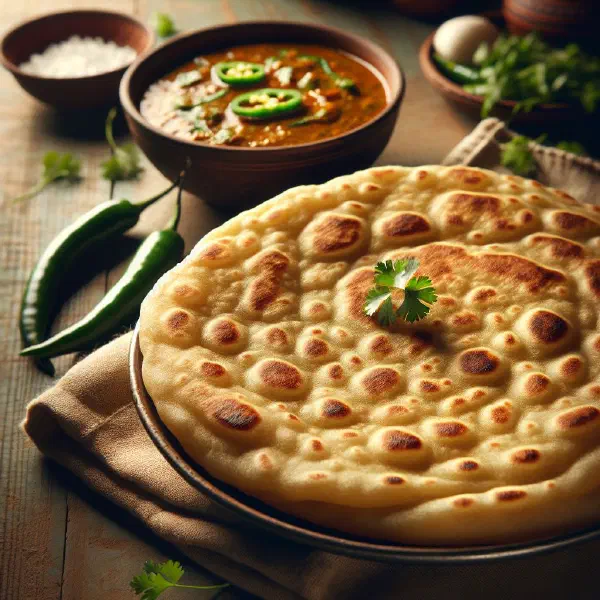
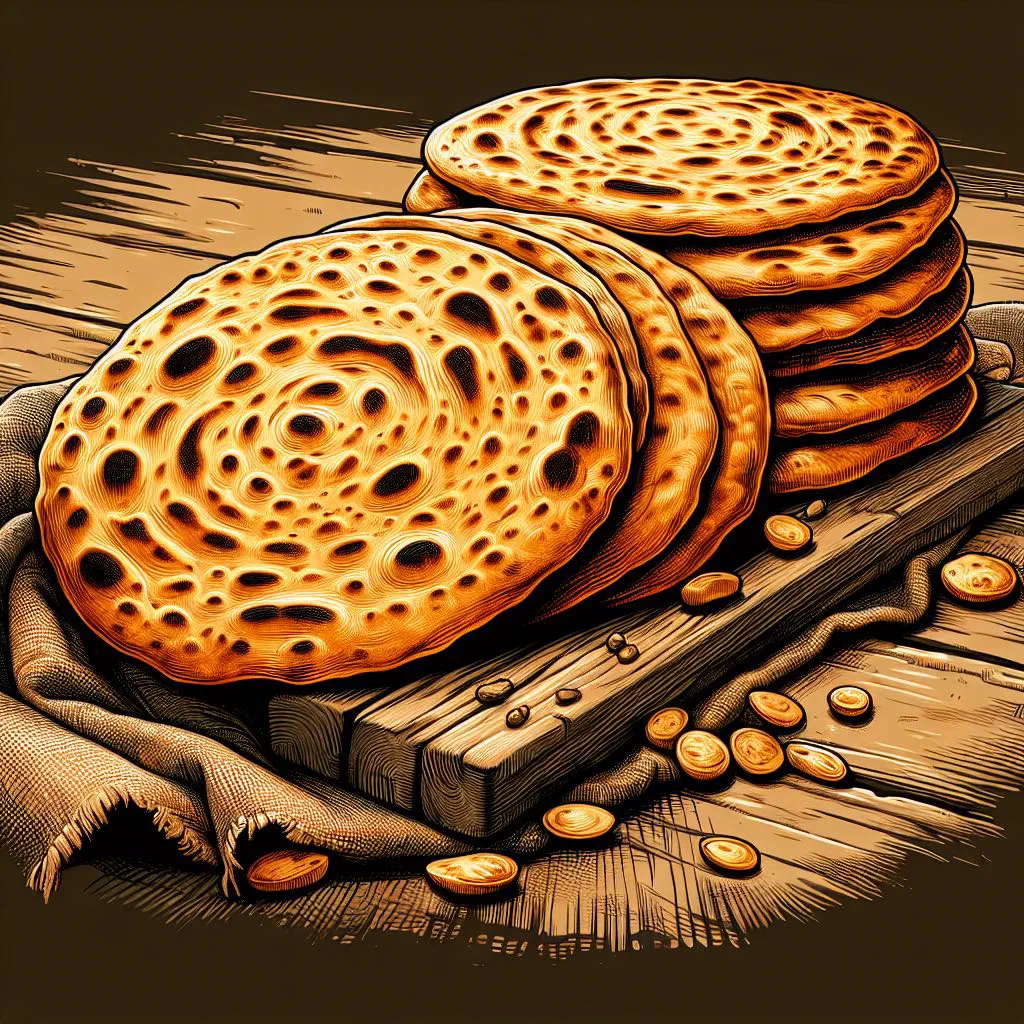
Meet Rotis, the humble everyday flatbread that sits at the heart of the Nepalese table. Made from little more than flour, water and a pinch of salt, this soft, unleavened bread is the perfect partner to a fragrant curry or a comforting bowl of dal. With its gentle, slightly nutty flavour and warm, pliable texture, roti brings a touch of Nepal to any meal, and it is far easier to make at home than you might think.
About Rotis
Rotis are a traditional Nepalese flatbread that counts as a true staple in kitchens across the country. Built from the simplest of ingredients, they are wonderfully versatile and made to be served alongside all manner of dishes. This everyday bread is most often enjoyed with spicy curries or a hearty dal, complementing their flavours beautifully. With their satisfying texture and mild, nutty taste, rotis are a genuine pleasure to eat and a cornerstone of home cooking.
Ingredients (serves 1–2)
- 1 cup wheat flour
- 1/3 cup water (as needed)
- A pinch of salt
- A little oil (optional, for the dough consistency)
Shopping for the ingredients
The ingredients for rotis can be found in any well-stocked supermarket or even the small corner shop round the way. The wheat flour is the main component and gives the rotis their characteristic taste. Try to choose the freshest flour you can to guarantee the best quality. Wherever possible, reach for additive-free products too, as this helps bring out the natural aroma of the bread.
Preparing the dish
Getting ready to make rotis could hardly be simpler. You need only a few minutes to mix and knead the dough. Start with the flour and stir in the salt so the seasoning is distributed evenly throughout. The crucial step is kneading the dough thoroughly, so it becomes smooth and supple and the rotis puff up nicely as they cook.
Step-by-step instructions
- In a bowl, combine the wheat flour and the salt.
- Slowly add water, mixing with a spoon until a dough forms.
- Turn the dough out onto a floured surface and knead for 5–10 minutes until smooth.
- Divide the dough into small portions and shape each one into a ball.
- Roll out a ball of dough with a rolling pin until thin and flat.
- Heat a pan and lay the rolled-out roti onto the hot surface.
- Cook the roti for about 1–2 minutes on each side, until lightly browned.
- Optionally brush with a little oil and serve warm.
Gluten-free / lactose-free version
To make rotis gluten-free, you can use rice flour or chickpea flour in place of the wheat flour. These flours are popular choices in gluten-free cooking and give the rotis an interesting texture and flavour. The method stays exactly the same, the only thing to watch is the consistency of the dough. If it turns out short on elasticity, you can add other binding ingredients to help it come together. Since the recipe uses no dairy, it is naturally lactose-free as well.
Tips for vegans and vegetarians
This roti recipe is naturally vegan and vegetarian, making it an ideal choice for anyone who favours plant-based eating. You can enrich the dough as you like with fresh herbs or spices to add flavour. For extra nutrition, a spoonful of ground flaxseed can be worked into the mix too. Rotis pair beautifully with a wide range of plant-based dishes, which makes them a superb addition to any meal. Try them alongside a bowl of Chana Masala.
More tips and tricks
To turn out perfect rotis, make sure the pan is thoroughly heated before the roti goes on. This heat is what guarantees the bread browns evenly and puffs up as it should. Turning the roti regularly during cooking also encourages an even bake. If you keep the finished rotis wrapped in a clean tea towel, they stay soft and fresh right up to serving.
Adapting the recipe to your taste
This roti recipe is easily tailored to personal preference. Add herbs such as coriander or a little garlic, for example, to take the flavour in a different direction. The size and thickness of the rotis can be varied to suit you too, so they come out thick and soft or thin and crisp. Experiment with spices to create your very own version of this Nepalese classic.
Ingredient substitutions
If you have no wheat flour to hand, you can also use other flours such as spelt or wholemeal. These give a more nutrient-rich result and lend the rotis a rustic character. You could also swap the water for vegetable juice or stock to weave in extra flavour. Be creative and discover which ingredients suit your taste best, much like the endlessly adaptable dough behind a good Naan.
Drink pairing ideas
Rotis pair wonderfully with a whole range of drinks. Mint tea or a warming chai are classic companions that set off the flavours of Nepalese cooking splendidly, a spiced Nepalese Masala Tea is well worth a try. A refreshing yoghurt drink also offers a welcome cool-down, especially when the accompanying dishes are on the spicy side. For an alcohol-free option, a sparkling water with lemon comes highly recommended.
Serving and presentation ideas
To present rotis attractively, arrange them on a handsome plate and serve them warm. A colourful garnish of fresh herbs or edible flowers adds an eye-catching touch to the table. To round off the experience, offer a selection of dips and sauces alongside, a tasty chutney, perhaps, or a fiery achar. The interplay of different colours and textures makes the meal twice as inviting.
A bit of history
Rotis have a long tradition in Nepalese and Indian cuisine, reaching back to ancient times. Originally they were baked by hand on hot stones to make the best use of the heat. In many cultures, flatbreads like rotis are a symbol of hospitality and community. Anyone with local friends in Nepal will often be invited to share a meal of rotis and curries, a sign of the close bond people feel with this culinary tradition, a bond that runs right through Nepalese cuisine.
More recipe ideas
Summary: Rotis
Rotis are simple to make and a delicious accompaniment to countless dishes. They reflect the rich variety of Nepalese cuisine and can be adapted with ease to suit personal taste. Whether used to scoop up a curry or eaten as a snack in their own right, rotis are an absolute must for anyone keen to experience the flavours of Nepal in their own kitchen. Give this recipe a try and bring a little of Nepal to your table.