National Dish Nepal: Saag Ko Tarkari (Recipe)
In this article
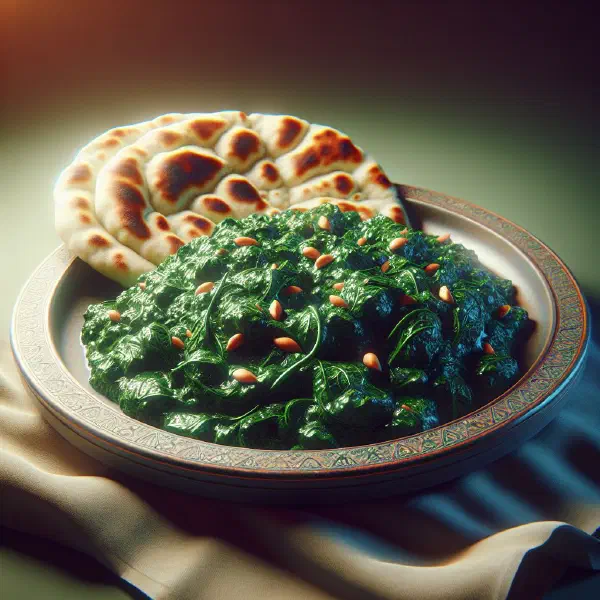
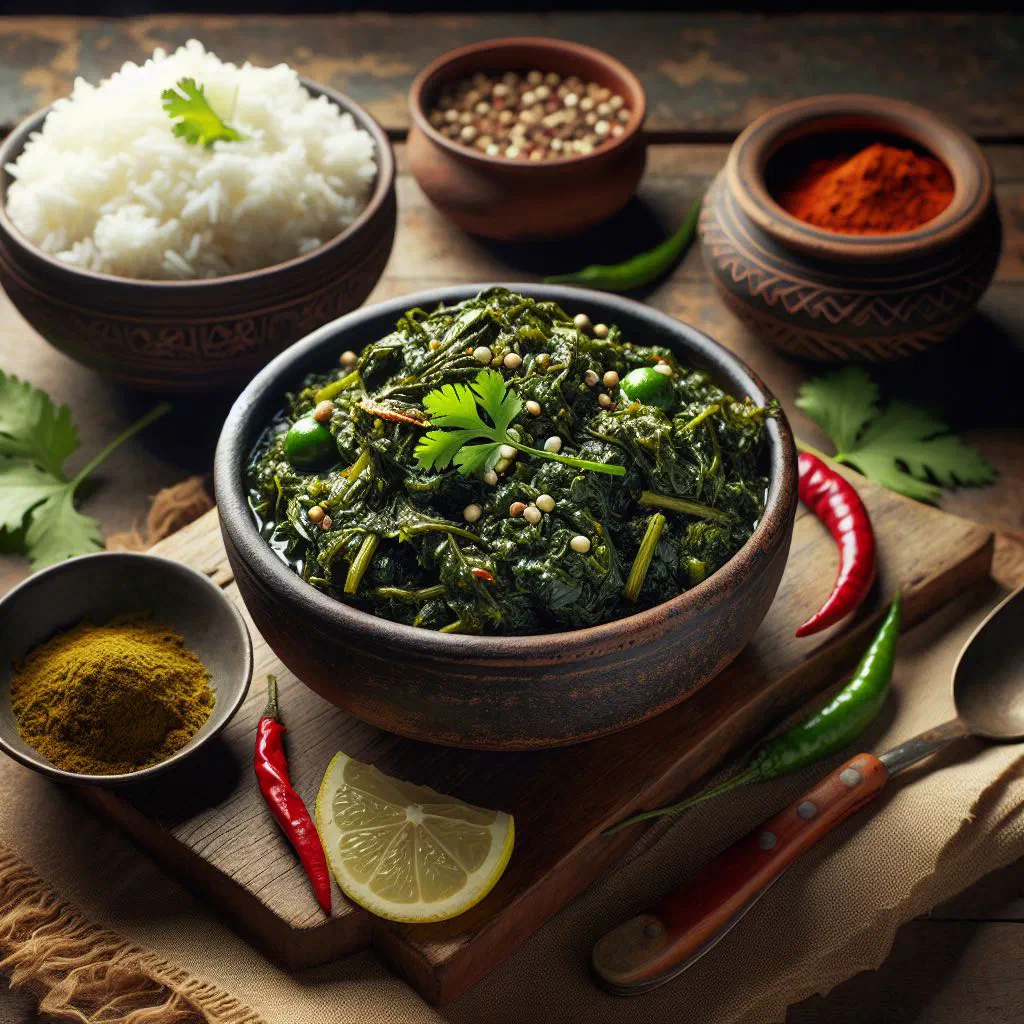
Meet Saag Ko Tarkari, a bright and wholesome staple of the Nepalese kitchen that turns a simple bundle of leafy greens into something quietly special. Gently sautéed with onion, garlic, ginger and a handful of warm spices, it is the kind of everyday dish that graces tables across Nepal, light yet deeply nourishing, and entirely plant-based. Serve it with rice or flatbread and you have a taste of the country’s honest, home-cooked cooking.
About Saag Ko Tarkari
Saag Ko Tarkari is a much-loved Nepalese dish that wins people over with its wonderful depth of flavour. At its heart is fresh leafy greens, cooked down with a selection of aromatic spices. In Nepal the dish is often served as part of a traditional meal and is a symbol of the country’s rich culinary culture. Saag Ko Tarkari lets you experience the vitality of Nepalese cooking first-hand, much as a plate of Rayo Ko Tarkari does.
Ingredients (serves 1–2)
- 200 g fresh leafy greens (e.g. spinach or rocket)
- 1 onion, finely chopped
- 2 cloves of garlic, crushed
- 1 tsp ginger, grated
- 1 tsp cumin
- 1 tsp coriander
- 2 tbsp oil (sunflower or rapeseed)
- Salt to taste
- Water, as needed
Shopping for the ingredients
When you set out to make Saag Ko Tarkari, it is important to choose fresh, good-quality ingredients. Look for locally grown greens, as these taste better and carry more nutrients. Pay a visit to your nearest greengrocer or an organic market to pick up the freshest produce. Asian and Indian grocers are often the best place to find the particular spices you will need for the dish.
Preparing the dish
Before you begin cooking Saag Ko Tarkari, take a little time to prepare all the ingredients carefully. Wash the leafy greens thoroughly to remove any grit or insects. Finely chop the onion and get the garlic and ginger ready, so you can add them quickly during cooking. This groundwork makes sure the whole process runs efficiently and smoothly.
Step-by-step instructions
- Heat the oil in a large pan over medium heat.
- Add the chopped onion and fry until soft and golden brown.
- Stir in the crushed garlic and grated ginger and cook for about 2 minutes.
- Sprinkle in the cumin and coriander and stir well.
- Add the washed leafy greens and cook, stirring, until they wilt down.
- Season with salt and add a splash of water if needed to reach the consistency you like.
- Serve Saag Ko Tarkari hot, ideally with rice or flatbread.
Gluten-free / lactose-free version
One of the great advantages of Saag Ko Tarkari is that most of its ingredients are naturally gluten-free and lactose-free. To keep the dish completely gluten-free, make sure you avoid any wheat flour or gluten-containing products. For a lactose-free version, simply check that all your accompaniments are chosen to match. This makes the dish suitable for a wide range of dietary needs.
Tips for vegans and vegetarians
Saag Ko Tarkari is by nature a vegan and vegetarian dish, rich in nutrients and fibre. When you make it, you can add extra vegetables or pulses to boost its nutritional value. A good way to bring in more protein and vitamins is to add chickpeas or lentils, much as you would in a comforting Kwati. This dish is a wonderful choice for anyone following a plant-based diet.
More tips and tricks
There are a few tricks worth keeping in mind when cooking Saag Ko Tarkari. For example, you can lift the dish with bright citrus notes by adding a little lemon or lime juice just before serving. You can also adjust the spices to suit your palate and experiment to find the perfect balance for your taste.
Adapting the recipe to your taste
One of the great things about Saag Ko Tarkari is how versatile the recipe is. You can use different kinds of leafy greens such as chard or kale, depending on your preference and what is available. You can also adjust the heat by adding more or fewer spices. This flexibility lets you shape the dish entirely to your own liking, in the same spirit as Karkalo Tarkari.
Ingredient substitutions
If you do not have certain ingredients to hand, there are plenty of alternatives. In place of cumin, for instance, you could use other spices such as fennel seeds or paprika, which also lend a delicious flavour. If you would rather not use oil, you can sweat the onions in vegetable stock instead. Thanks to these options, Saag Ko Tarkari is easy to vary.
Drink pairing ideas
To round off the flavour of Saag Ko Tarkari, certain drinks make especially good partners. A fresh mint tea or a chai harmonises perfectly with the flavours of the dish. A mild Indian beer or a lightly sparkling white wine also work well alongside it.
Serving and presentation ideas
The way you present your dish can greatly improve the eating experience. Serve Saag Ko Tarkari in an attractive ceramic bowl and garnish it with fresh coriander or a squeeze of lemon juice. A rustic flatbread alongside makes for an inviting overall picture. You could also set a little yogurt to one side to add a splash of colour and extra flavour.
A bit of history
Saag Ko Tarkari has its roots in traditional Nepalese cooking and reflects the country’s agricultural way of life. Historically it is a dish prepared in most Nepalese households and often paired with rice, as in a classic Dal Bhat. The use of fresh ingredients and spices is characteristic of the cuisine of Nepal and shows the intertwined influence of various cultures. This dish stands for the simplicity and richness of Nepalese cuisine.
More recipe ideas
Summary: Saag Ko Tarkari
Saag Ko Tarkari is not merely a simple and healthy dish; it also reflects the rich culinary tradition of Nepal. Through the use of fresh leafy greens and aromatic spices, it creates a unique taste experience that is ideal for vegetarians and vegans alike. The preparation is straightforward and offers plenty of scope for adaptation, so everyone can add their own personal touch.