National Dish Nepal: Sekuwa (Recipe)
In this article
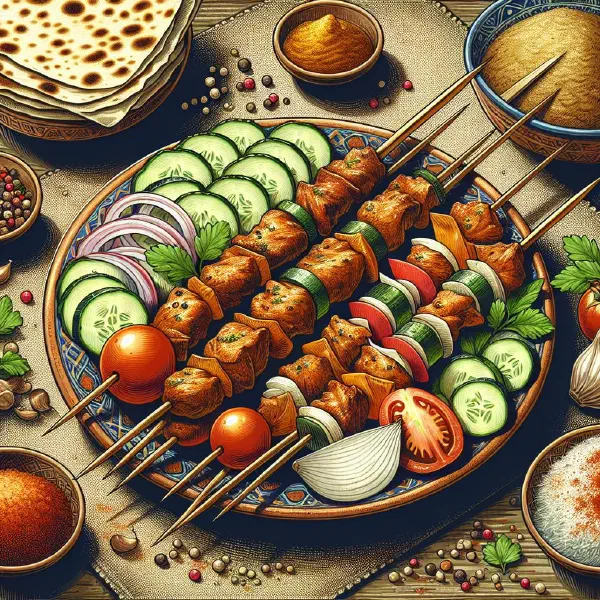
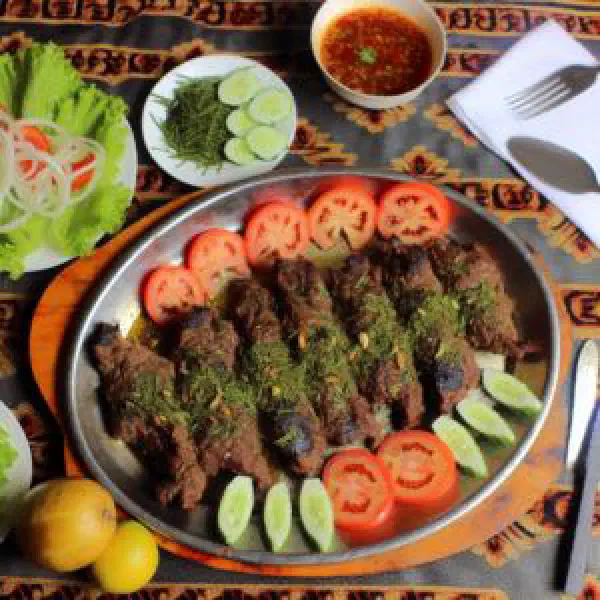
Discover Sekuwa, Nepal’s smoky, fire-grilled answer to the humble meat skewer. These marinated skewers of lamb or chicken are steeped in a fragrant blend of ginger, garlic and warm spices, then cooked over an open flame until charred and tender. A staple at festivals and family gatherings alike, Sekuwa is as much about warm Nepalese hospitality as it is about flavour. Bring the aroma of a Himalayan roadside grill straight into your own kitchen.
About Sekuwa
Sekuwa is a traditional Nepalese dish that is often seen as a symbol of the country’s heartfelt hospitality. These marinated meat skewers are a firm favourite at festivals and celebrations, cherished by locals and visitors in equal measure. Lamb or chicken is most commonly used, though other kinds of meat work just as well. Whichever version you choose, it is the distinctive char-grilled flavour and the aroma of the spices that make Sekuwa such a memorable experience.
Ingredients (serves 1–2)
- 500g lamb or chicken
- 3 tablespoons vegetable oil
- 1 teaspoon ginger paste
- 1 teaspoon garlic paste
- 2 teaspoons paprika
- 2 teaspoons ground cumin
- 1 teaspoon chilli flakes
- Salt to taste
- Juice of 1 lemon
- Wooden or metal skewers
Shopping for the ingredients
When shopping for Sekuwa, it is well worth paying attention to the freshness of your produce. Ideally, visit a market or a specialist butcher to pick up good-quality meat. Fresh spices and herbs matter enormously too, as they shape the flavour of the dish more than anything else. Keep an eye out for suitable alternatives as well, in case you have particular preferences or dietary needs.
Preparing the dish
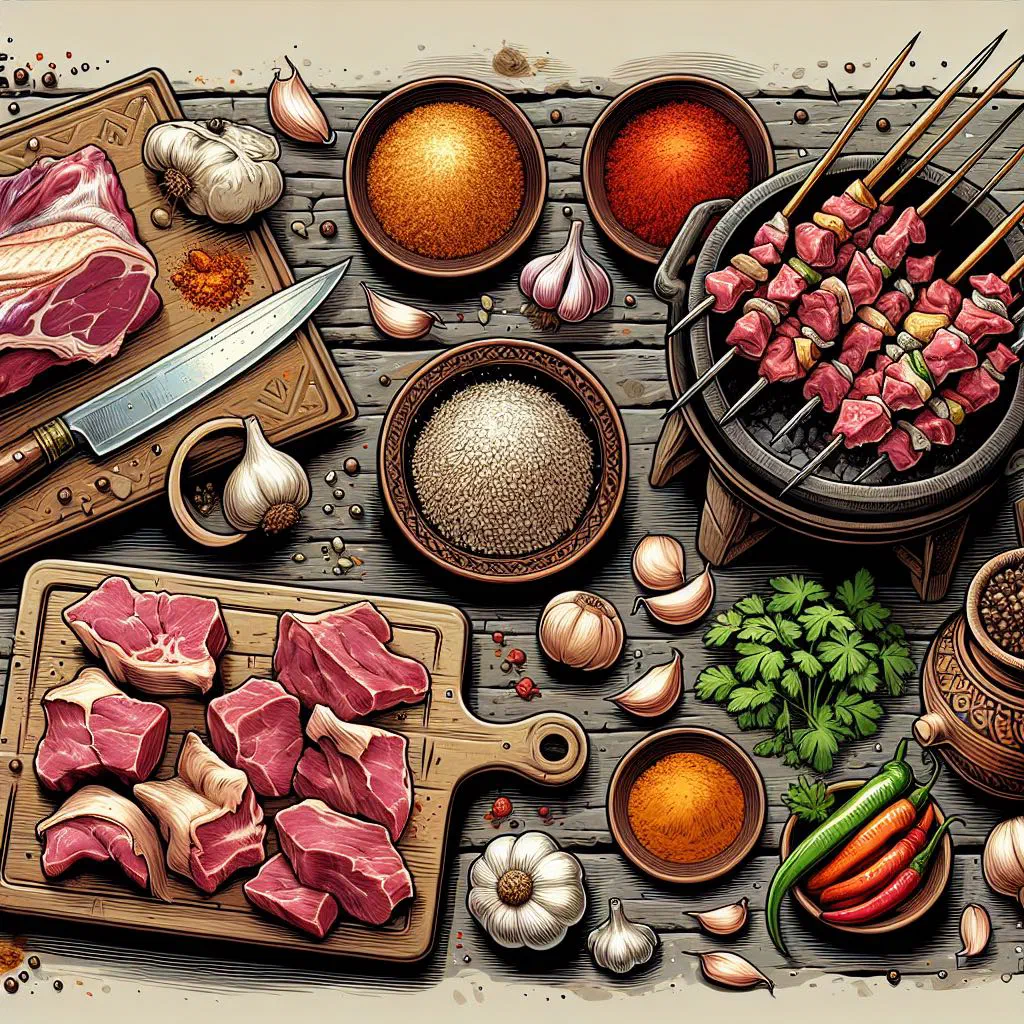
Preparing Sekuwa takes a little planning, but the steps are simple and rewarding. Begin by cutting the meat into even pieces so it cooks through uniformly. Next, make the marinade by mixing all the ingredients together thoroughly. For the best results, let the meat marinate for at least 2 hours, or, for a deeper, more intense flavour, leave it overnight.
Step-by-step instructions
- Cut the meat into cubes and place it in a bowl.
- Combine all the marinade ingredients in a separate bowl.
- Pour the marinade over the meat and mix well.
- Cover the marinated meat and refrigerate for at least 2 hours.
- Thread the marinated meat onto the skewers.
- Preheat the grill to a high heat.
- Grill the skewers over the open flame, turning, until golden brown and cooked through.
Gluten-free / lactose-free version
Sekuwa is naturally gluten-free and lactose-free, provided you take care to use gluten-free and lactose-free products throughout. When buying spices, check that there are no hidden sources of gluten or lactose. This means that people with intolerances can enjoy this delicious dish too, without having to give up any of the flavour.
Tips for vegans and vegetarians
For vegans and vegetarians, there are plenty of ways to recreate a Sekuwa-style experience. Swap the meat for vegetables such as aubergine, courgette and peppers, or for tofu. Marinate them in exactly the same spices to capture the bold flavour of the original. Grill the vegetables or tofu in the same way and you will have a wonderful vegan dish that still reflects the traditions of Nepal.
More tips and tricks
When making Sekuwa, feel free to experiment with different spices to tune the flavour to your taste. A little honey or brown sugar in the marinade can lend a gentle sweetness. Be sure to turn the skewers regularly while they grill so the meat cooks evenly. Keep an eye on the heat as well, easing it back when needed to stop the meat from scorching.
Adapting the recipe to your taste
The beauty of Sekuwa is how easily you can adapt it to suit your own preferences. Try different cuts and kinds of meat, or go for a colourful mix of vegetables instead. You can dial the heat up or down with more or less chilli, or by choosing milder spices altogether. Much like the fiery Spicy Sekuwa, it rewards a little creativity, so make the dish your own.
Ingredient substitutions
If you do not have certain ingredients to hand, they are easy enough to swap out. Use olive oil in place of vegetable oil, for instance, or honey instead of sugar. Ground cumin can be replaced with coriander if you fancy varying the flavour. Do not worry too much, experiment with the ingredients until you land on the result you like best, just as you might when preparing Sukuti.
Drink pairing ideas
Sekuwa goes beautifully with classic Nepalese drinks such as the popular aarak, a traditional spirit. Alternatively, a refreshing lime lemonade or a light beer makes an excellent match. It is worth offering a few alcohol-free options too, choosing ones that sit well with the warm spices.
Serving and presentation ideas
An appealing presentation can lift the whole meal. Serve Sekuwa on large platters, garnished with fresh herbs and a few wedges of lime. Add a selection of dips, such as chutneys or yoghurt sauces, to vary the flavours. Colourful touches like fresh vegetables or bright side dishes make the spread even more inviting, especially when paired with something like Choila.
A bit of history
Sekuwa originates in Nepal and represents the country’s traditional cooking heritage. Historically, it was often served at festivals and special occasions. These grilling methods are said to come from the various ethnic groups of Nepal, each of which has created its own version of the dish. Preparing Sekuwa is a culinary craft and an expression of cultural tradition, and it sits proudly among the highlights of Nepalese cuisine.
More recipe ideas
Summary: Sekuwa
In short, Sekuwa is a delicious, hearty dish that brings joy both in the making and in the eating. Whether it forms part of a grand celebration or a simple evening meal, it appeals to with its aromas and its creative preparation. By experimenting with the ingredients and tailoring the recipe to your own preferences, you can create a memorable culinary experience. Give it a go and discover the flavours of Nepal right in your own kitchen.