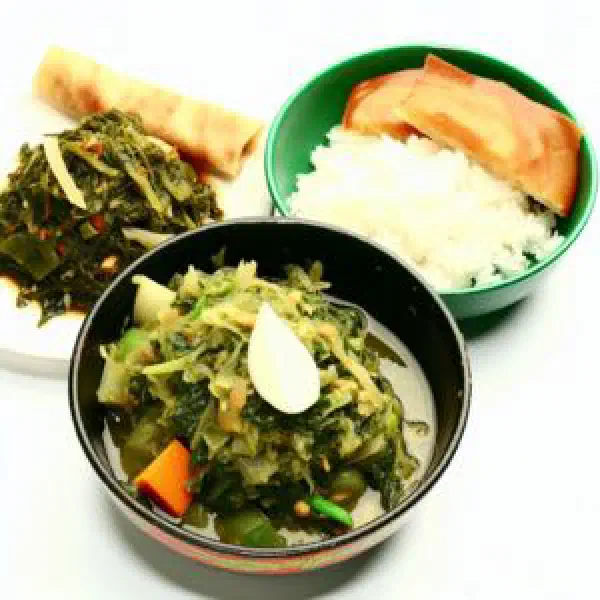
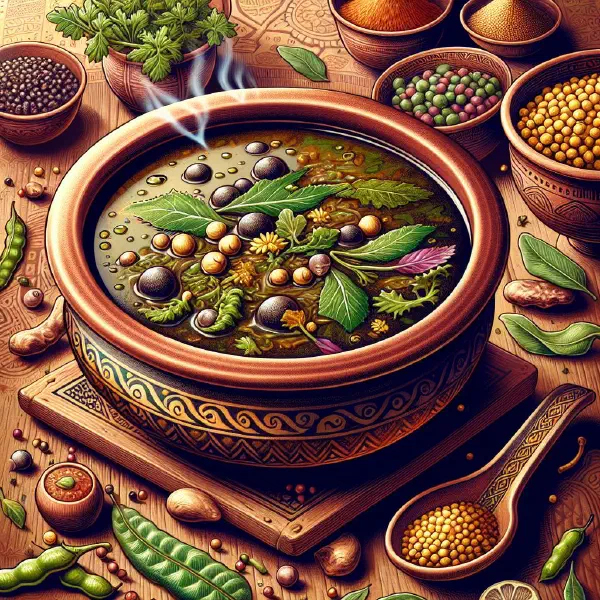
National Dish Nepal: Sinki Ko Tarkari (Recipe)
In this article
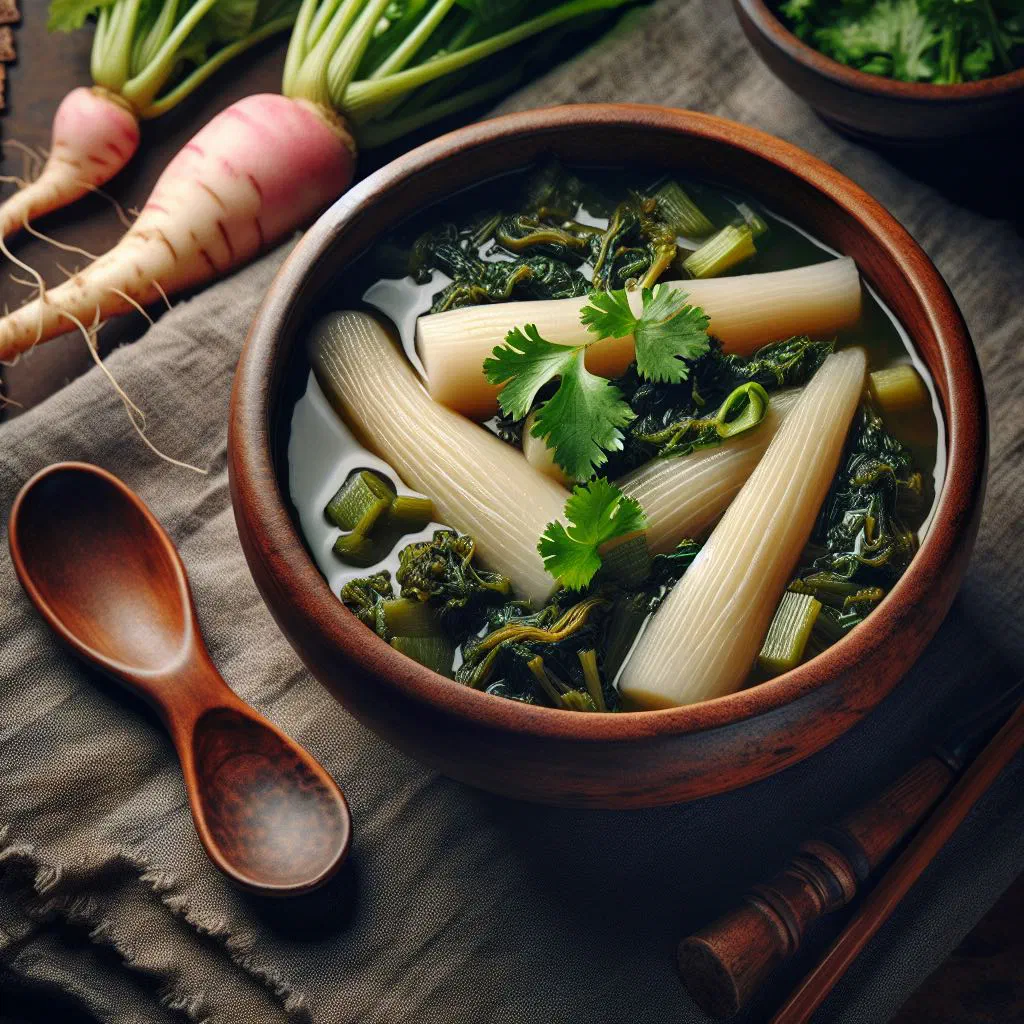
Discover Sinki Ko Tarkari, a warming vegetable soup that sits close to the heart of Nepalese cuisine. Built around tangy fermented radish and a fragrant blend of spices, this humble bowl delivers deep, savoury flavour with every spoonful. Nourishing, gently sour and wonderfully aromatic, it brings the mountain kitchens of Nepal straight to your table, a comforting dish that feels every bit as good as it tastes.
About Sinki Ko Tarkari
Sinki Ko Tarkari is a dish steeped in tradition from Nepal, treasured above all for its aromatic depth and variety. This delicious vegetable soup brings together the flavours of fermented radish and a generous mix of warming spices. The preparation leans heavily on fresh, regional ingredients, which is exactly what gives it such an authentic character. The soup base is hearty and rich in nutrients, making it a firm favourite in many households.
Ingredients (serves 1–2)
- 200 g fermented radish (sinki)
- 1 onion, diced
- 2–3 garlic cloves, chopped
- 1 teaspoon grated ginger
- 1 teaspoon turmeric
- 1 teaspoon cumin
- 1–2 fresh green chillies, to taste
- 500 ml water or vegetable stock
- Fresh coriander leaves, to garnish
- Salt to taste
Shopping for the ingredients
To make Sinki Ko Tarkari, you will want fresh, good-quality ingredients. Pay particular attention to the fermented radish, which is often found in Asian grocery shops or specialist markets. Some retailers also sell ready-made spice blends that make the preparation easier. Local markets are a great place to pick up the fresh vegetables that deepen the flavour of the soup.
Preparing the dish
Preparing Sinki Ko Tarkari is fairly straightforward and calls for no special culinary skills. First, wash and prepare all the ingredients as listed. The fermented radish needs to be well drained and cut into small pieces. Slicing the onions and chopping the garlic in good time will also make the cooking go more smoothly.
Step-by-step instructions
- Heat a little oil in a large pan and sauté the diced onions until golden brown.
- Add the garlic and ginger and fry briefly until fragrant.
- Sprinkle in the spices — turmeric and cumin — and toast them for a moment.
- Stir in the chopped radish and the chillies, mixing everything together well.
- Deglaze with water or vegetable stock and bring to the boil.
- Reduce the heat and let the soup simmer gently for around 20–30 minutes.
- Finally, season with salt and scatter over fresh coriander leaves before serving.
Gluten-free / lactose-free version
One of the great things about Sinki Ko Tarkari is that it is naturally gluten-free and lactose-free. When choosing your stock, just make sure it too is gluten-free. The reliance on fresh, unprocessed ingredients makes this dish perfect for anyone with food intolerances. Check the labels when shopping to be on the safe side.
Tips for vegans and vegetarians
Sinki Ko Tarkari adapts effortlessly to vegan and vegetarian diets. Since the soup is already plant-based, you only need to make sure the stock or water contains no animal products. Add your favourite extra vegetables to vary both the nutrients and the flavour. This makes the dish not just delicious but also wonderfully open to individual tweaks, much like a comforting bowl of Gundruk Ko Jhol.
More tips and tricks
To get the most out of your Sinki Ko Tarkari, it pays to toast the spices lightly before using them, which intensifies their aromas and makes the whole soup more exciting. Fresh herbs help keep it bright and fragrant, too. A squeeze of lemon just before serving can lift the flavours and lend the soup a pleasant freshness.
Adapting the recipe to your taste
Making Sinki Ko Tarkari leaves plenty of room to suit your own preferences. If you like it hotter, add more green chillies or reach for dried chilli powder. For a creamier consistency, you might stir in a little coconut milk. Experiment with different vegetables to shape the dish exactly to your taste.
Ingredient substitutions
If fermented radish is hard to come by, you can swap it for other fermented vegetables. Fermented cabbage makes a good alternative, its flavour fitting neatly into the soup, the same tangy note that carries dishes like Sinki Achaar. For the spices, feel free to fall back on blends you already have to hand. It is worth adjusting the quantities to keep the balance of flavours just right.
Drink pairing ideas
Sinki Ko Tarkari goes beautifully with a light, refreshing drink that complements the soup’s flavours. A cooling mint tea or a chilled Nepalese beer both make excellent companions. Even a simple glass of water with lemon can sharpen the experience and bring the soup’s aromas to the fore.
Serving and presentation ideas
Presentation can do a lot to whet the appetite for Sinki Ko Tarkari. Serve the soup in pretty, colourful bowls and garnish it generously with fresh coriander leaves. A few thin lime slices or a splash of lime juice please the eye and make the colours look more vivid. Take care to keep the setting around the bowl attractive too, to round out the whole dining experience.
A bit of history
The roots of Sinki Ko Tarkari reach deep into Nepalese culture. The dish has evolved over centuries as a blend of traditional cooking techniques and local ingredients. Fermenting vegetables is an age-old method that intensifies flavour and supplies helpful probiotics that are good for digestion. Many Nepalese families have their own versions of this dish, passed down from one generation to the next as a proud part of their Nepalese cuisine.
More recipe ideas
Summary: Sinki Ko Tarkari
Sinki Ko Tarkari is more than just a soup. It is a culinary experience that embodies the tradition and flavours of Nepal. With its distinctive combination of fermented radish and carefully chosen spices, it is both healthy and delicious. This dish is a perfect way to get to know Nepalese cooking a little better. Give the recipe a try and let its many flavours surprise you.