National Dish Nepal: Sukuti (Recipe)
In this article
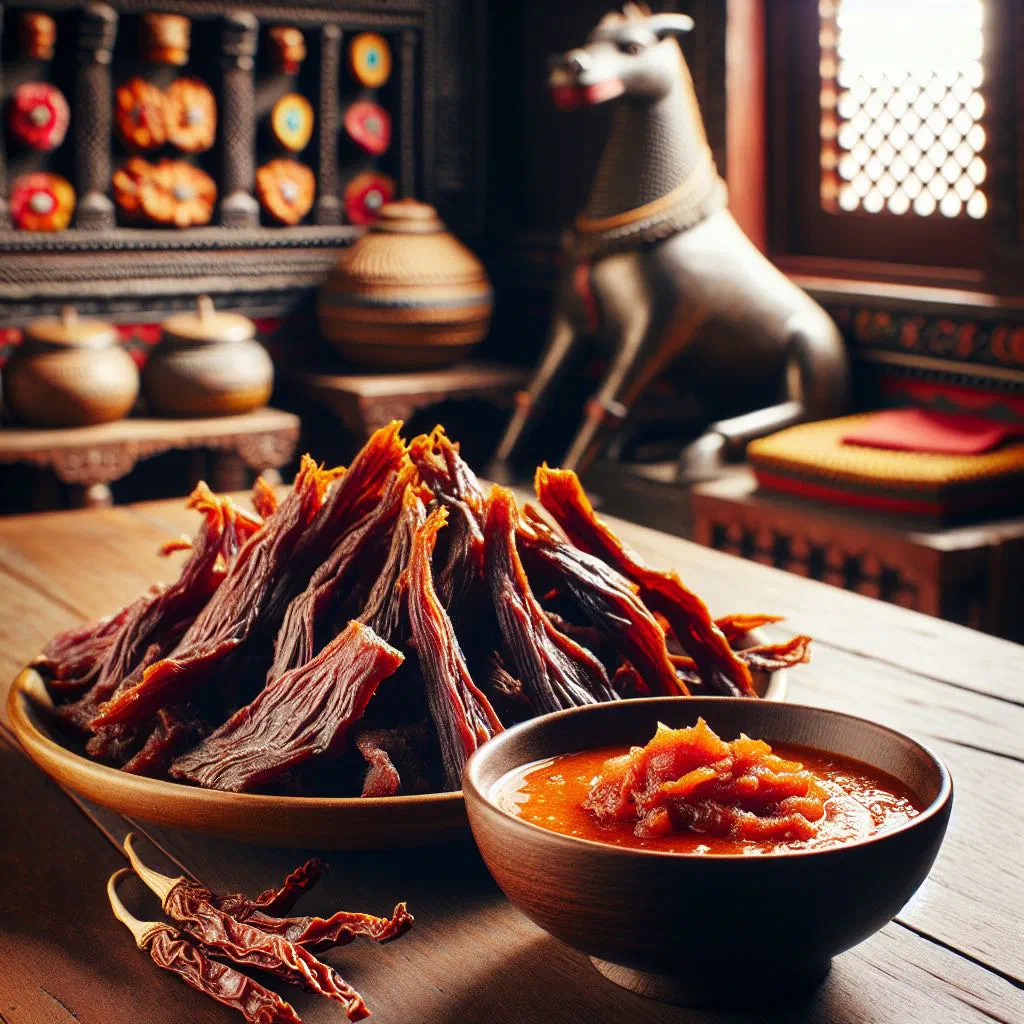
Meet Sukuti, Nepal’s beloved dried and spiced meat that has been feeding travellers and mountain communities for generations. Strips of meat are steeped in a punchy marinade of soy, sesame and fresh chillies, then cooked until wonderfully crisp. The result is a bold, savoury snack with real depth of flavour. Perfect for anyone who loves a bit of heat. Bring the warmth of the Himalayan foothills to your own kitchen with this simple, satisfying recipe.
About Sukuti
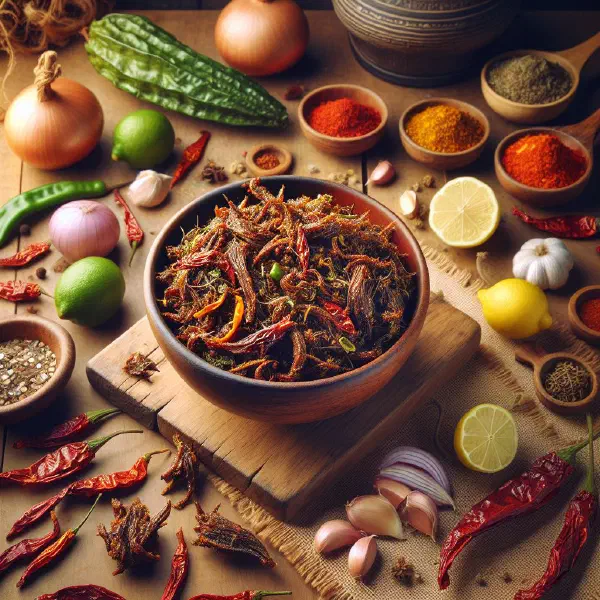
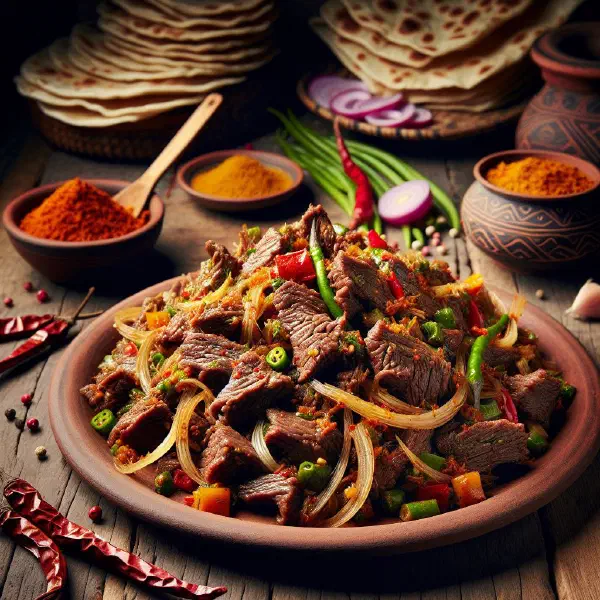
Sukuti is a traditional Nepalese dish made from dry, marinated meat. Over time it has grown into a hugely popular snack, especially cherished by those who enjoy bold and spicy food. The meat is carefully seasoned and then cooked until crisp, which gives it its unmistakable flavour. More than just a treat for the palate, this dish is an important part of Nepalese culture and a familiar sight at gatherings and celebrations.
Ingredients (serves 1–2)
- 200g beef or goat meat
- 3 tablespoons soy sauce
- 1 tablespoon sesame oil
- 2 teaspoons paprika
- 1 teaspoon garlic powder
- 1 teaspoon fresh ginger, grated
- 2–3 fresh green chillies (to taste)
- Salt and pepper, to taste
- Fresh coriander, to garnish
Shopping for the ingredients
To make Sukuti, look for your ingredients at a well-stocked grocery. Pay particular attention to the quality of the meat, as this is crucial to the flavour of the finished dish. Fresh spices matter too, helping to draw out the full aromas of the recipe. You may need to track down a few speciality items, such as sesame oil or fresh green chillies, at an Asian grocery. These small touches, common across Nepalese cuisine, make all the difference.
Preparing the dish
Before you start cooking Sukuti, it is a good idea to gather all your ingredients and utensils. Marinating the meat is a slightly time-consuming but essential step, since it gives the dish its characteristic taste. Let the meat marinate for at least 2 to 3 hours, or ideally overnight, so the flavours can really sink in. It also helps to choose your chillies according to your personal taste for heat.
Step-by-step instructions
- Cut the meat into thin strips and place them in a bowl.
- Add the soy sauce, sesame oil, paprika, garlic powder, ginger and the sliced chillies.
- Mix everything together well and marinate in the fridge for at least 2 hours (overnight is better).
- Preheat the oven to 180°C and line a baking tray with baking paper.
- Spread the marinated meat strips evenly across the tray.
- Bake the strips for about 15–20 minutes, until they turn crisp.
- Garnish with fresh coriander before serving.
Gluten-free / lactose-free version
Making Sukuti is straightforward even if you have allergies or intolerances. For a gluten-free version, simply use gluten-free soy sauce. As for lactose, this recipe contains no dairy at all, so it is naturally lactose-free. Just make sure that all the ingredients you use are labelled accordingly, so you can be confident the dish meets your dietary needs.
Tips for vegans and vegetarians
Although Sukuti is traditionally made with meat, there are plenty of ways to adapt it to be vegan or vegetarian. Instead of meat you might use tofu or seitan, both of which marinate beautifully and crisp up nicely. Combine these alternatives with the same spices and marinade to achieve that signature flavour. You can also experiment with vegetable mixes to create a more varied dish, much like a lighter take on Bhatmas Sadheko.
More tips and tricks
A few extra pointers can really improve your Sukuti. Try lightly pounding the meat before marinating to make it more tender. Use fresh spices, too, to intensify the aroma. One often-overlooked detail is proper storage: if you have leftovers, keep them in the fridge and enjoy them the next day. When you serve the dish, remember to pair it with a light side to keep the balance of flavours just right.
Adapting the recipe to your taste
Adapting Sukuti to your own preferences is easy. Depending on your tolerance for heat, you can add more or fewer chillies. For a smoky note, swap the regular paprika for smoked paprika. You can also play with different marinades, adding honey for a sweeter version, for instance, or trying out different oils. This flexibility makes the dish even more appealing across a range of tastes, and echoes the versatility you find in Sandheko Masu.
Ingredient substitutions
Most dishes have alternatives that can boost their nutritional value or meet particular dietary requirements. Instead of beef or goat, you could choose chicken or fish, both of which suit this marinade well. For a vegan version, replace the soy sauce with a coconut-based sauce for a different flavour profile. Likewise, ginger can be swapped for garlic or parsley, depending on your taste. If you enjoy this cut of meat, you might also like the marinated strips in Taas.
Drink pairing ideas
A range of drinks pairs wonderfully with a spicy dish like Sukuti. A light white wine or a fruity rosé complements the spices, while a cold craft beer helps to balance the flavours. For alcohol-free options, a mint-based cocktail or simply sparkling water with lemon is refreshing. Experiment with different combinations to find what suits your personal preferences best.
Serving and presentation ideas
The way a dish looks can hugely enhance the enjoyment of it. Serve Sukuti on a beautiful wooden board or in a decorative bowl, garnished with fresh coriander and perhaps a few fine slivers of chilli. A few lime or lemon slices as a garnish add colour and a fresh burst of flavour. Remember to make the sides look appealing too, creating a harmonious overall picture.
A bit of history
Sukuti has its roots in traditional Nepalese cuisine, which is strongly shaped by regional ingredients and culture. The dish is often served at festive occasions and gatherings, which gives it a special place in the hearts of the Nepalese people. Originally used as a preserved source of meat in the high mountains, Sukuti developed into a much-loved delicacy enjoyed by locals and tourists alike. Its history and cultural influences make Sukuti a truly worthwhile culinary experience.
More recipe ideas
Summary: Sukuti
In short, Sukuti is a superb example of the variety and richness of Nepalese cuisine. With its delicious seasoning and crisp texture, it offers a memorable taste experience. Sukuti is sure to win you over with its aromas and its distinctive preparation. Give this dish a try and let the delicious flavours of Nepal work their magic on you.