National Dish Nepal: Tarul Ko Tarkari (Recipe)
In this article
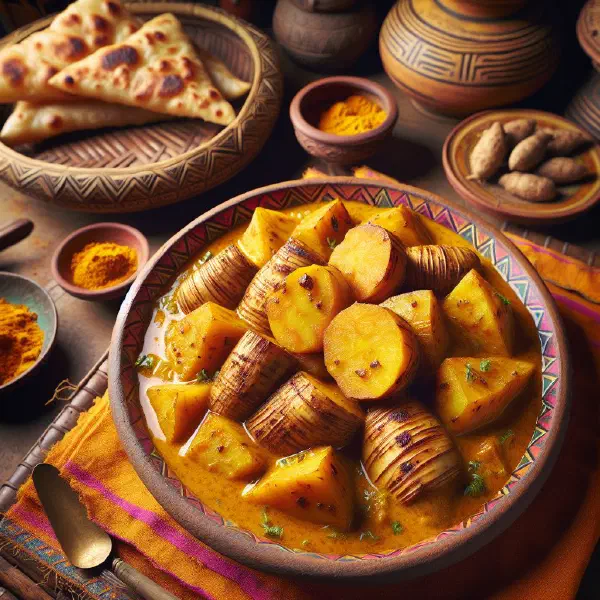
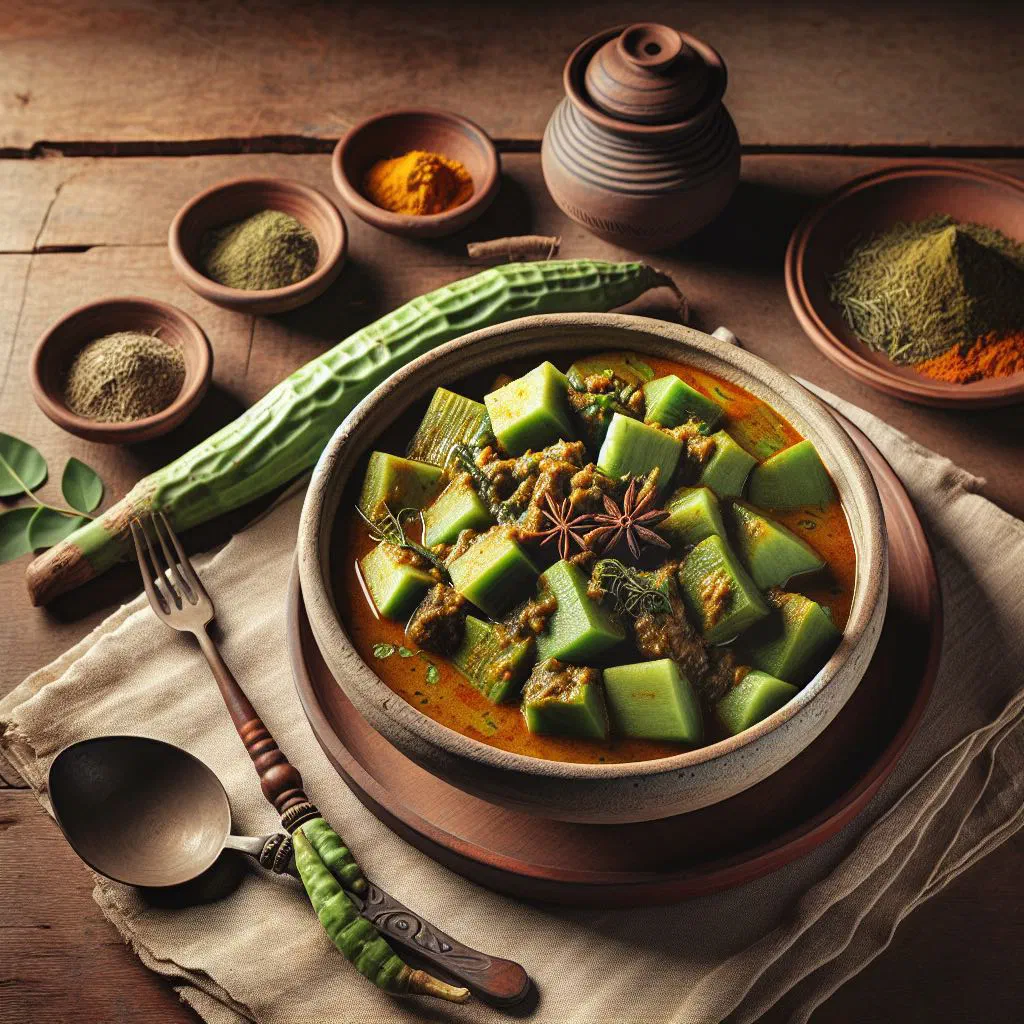
Meet Tarul Ko Tarkari, a warming vegetable dish from the hills of Nepal that turns humble roots into something quietly special. Earthy tarul is simmered with cumin, turmeric and coriander until tender, then finished with a scattering of fresh herbs. Naturally vegetarian, gluten-free and lactose-free, it makes a hearty yet light supper that carries the honest, homely flavours of the Himalayas straight to your table.
About Tarul Ko Tarkari
Tarul Ko Tarkari is a traditional Nepalese dish made from spiced tarul, a root also known as salsify. It offers a distinctive combination of wholesome ingredients and aromatic spices, which makes it a firm favourite with vegetarians and anyone who appreciates the cooking of Nepal. Tarul is nourishing and full of flavour, brought out further by the right blend of spices. If you are after a hearty yet light supper, Tarul Ko Tarkari is the perfect choice.
Ingredients (serves 1–2)
- 200g tarul (salsify)
- 2 tablespoons oil (such as sunflower or olive oil)
- 1 onion, diced
- 1 teaspoon cumin
- 1 teaspoon turmeric powder
- 1 teaspoon ground coriander
- 1/2 teaspoon chilli flakes
- Salt to taste
- Fresh coriander, to garnish
Shopping for the ingredients
Before you start making Tarul Ko Tarkari, it is worth sourcing the right ingredients. Look for fresh tarul at an Asian or well-stocked grocery, as it is not something every supermarket carries. Many of the spices you need, including cumin and coriander, are easy to find in most food shops. Fresh herbs such as coriander give the dish its finishing touch and add a welcome burst of freshness.
Preparing the dish
Preparing Tarul Ko Tarkari is simple and straightforward. Begin by peeling the tarul and cutting it into small pieces so it cooks through more quickly. The onion should be finely diced too, to make sure it fries evenly and fast. It helps to measure out all the spices in advance, so you can work briskly during cooking without any distractions.
Step-by-step instructions
- Heat the oil in a pan over medium heat.
- Add the diced onion and fry until translucent.
- Stir in the cumin, turmeric, ground coriander and chilli flakes, and cook the spices briefly until fragrant.
- Add the prepared tarul pieces and stir well to coat them evenly in the spices.
- Cover the pan and let the vegetables simmer for around 15–20 minutes, until the tarul is tender.
- Season to taste with salt and garnish with fresh coriander.
Gluten-free / lactose-free version
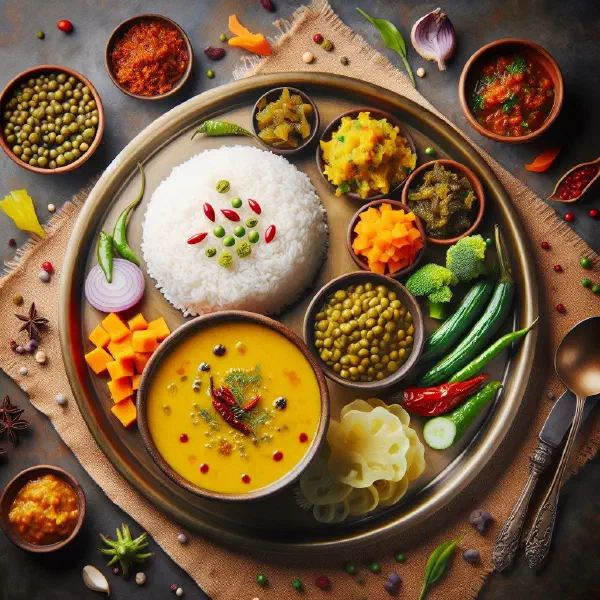
Tarul Ko Tarkari is naturally gluten-free and lactose-free, which makes it an ideal choice for anyone with food intolerances. When choosing your oils or spices, it is still worth checking the labels to make sure there are no hidden gluten or lactose components. This dish is therefore a wonderful option for a wide range of diets, much like a comforting bowl of Dal Bhat.
Tips for vegans and vegetarians
Since Tarul Ko Tarkari is already vegetarian, it is also a great choice for vegans. To keep the dish vegan, simply make sure that all the spices and oils you use are plant-based. It can also be nicely extended with more vegetables such as carrots or peas, boosting both the nutrients and the presentation. For extra protein, add chickpeas to make the dish even more filling.
More tips and tricks
A few simple tips can make your Tarul Ko Tarkari even more flavourful. Use fresh spices, as these make a considerable difference to the taste. You can also try regional variations by adding different vegetables or adjusting the spices to suit your own preferences. Experimenting with the cooking time lets you achieve the perfect texture for your tarul.
Adapting the recipe to your taste
A great advantage of Tarul Ko Tarkari is how easily it can be adapted. If you do not like a particular ingredient, or it is not available, you can swap it for something else. The chilli, for instance, can be replaced with sweet paprika to tone down the heat. You might also consider enriching the dish with a splash of coconut milk for extra creaminess, or serving it with quinoa instead of rice.
Ingredient substitutions
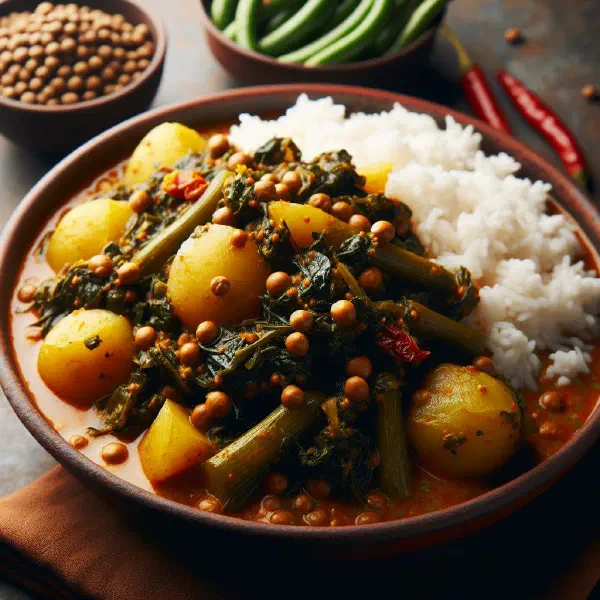
If some ingredients are not to hand, there are plenty of alternatives you can use. Tarul (salsify), for example, can be replaced with sweet potatoes or carrots. These stand-ins bring a similarly gentle sweetness that enriches the dish. Do take care to adjust the cooking times, as they can vary from one root to another. This flexibility is what makes the recipe so easy and accessible, and it works just as well in a hearty Aloo Tama.
Drink pairing ideas
A range of drinks pairs beautifully with a hearty dish like Tarul Ko Tarkari. A light, chilled sparkling water or a refreshing ginger tea makes a lovely companion. If you would prefer something alcoholic, a light beer or a spiced white wine could be a great choice.
Serving and presentation ideas
Presentation matters just as much when it comes to enjoying your Tarul Ko Tarkari. Serve the dish in an attractive bowl and garnish it with fresh, chopped coriander. A squeeze of fresh lemon can add a lovely colour contrast and brighten the flavour. You might also scatter over a few toasted nuts or seeds for an added bit of crunch.
A bit of history
Tarul Ko Tarkari is a dish deeply rooted in Nepalese culture. It reflects the diversity of Nepal’s cooking, which draws on many different regions and ethnic groups. The use of tarul shows how much local ingredients are valued in the cuisine of Nepal. Every dish tells a story about the people and the traditions that gave rise to it, and Tarul Ko Tarkari is no exception, standing proudly alongside pickled classics such as Gundruk Ko Jaan.
More recipe ideas
Summary: Tarul Ko Tarkari
Tarul Ko Tarkari is an excellent example of Nepalese cuisine, bringing together wholesome, tasty and easy-to-prepare ingredients. This dish not only puts authentic flavours on your table but is also a nourishing option for anyone mindful of their diet. With its versatility and scope for adaptation, you can shape the preparation exactly to your taste. Let the delicious world of Nepalese cooking inspire you and enjoy a little piece of Nepal right in your own home.