National Dish Netherlands: Balkenbrij (Recipe)
In this article
Discover Balkenbrij, a hearty rustic classic from the Dutch countryside. This warming dish binds spiced pork with oat flour into a dense loaf that is sliced and fried until golden. Born from the thrifty traditions of farmhouse kitchens, it is the kind of honest comfort food that comes into its own on cold days, served with a spoonful of applesauce or a drizzle of syrup. Bring a taste of old-fashioned Dutch home cooking straight to your own table.
About Balkenbrij
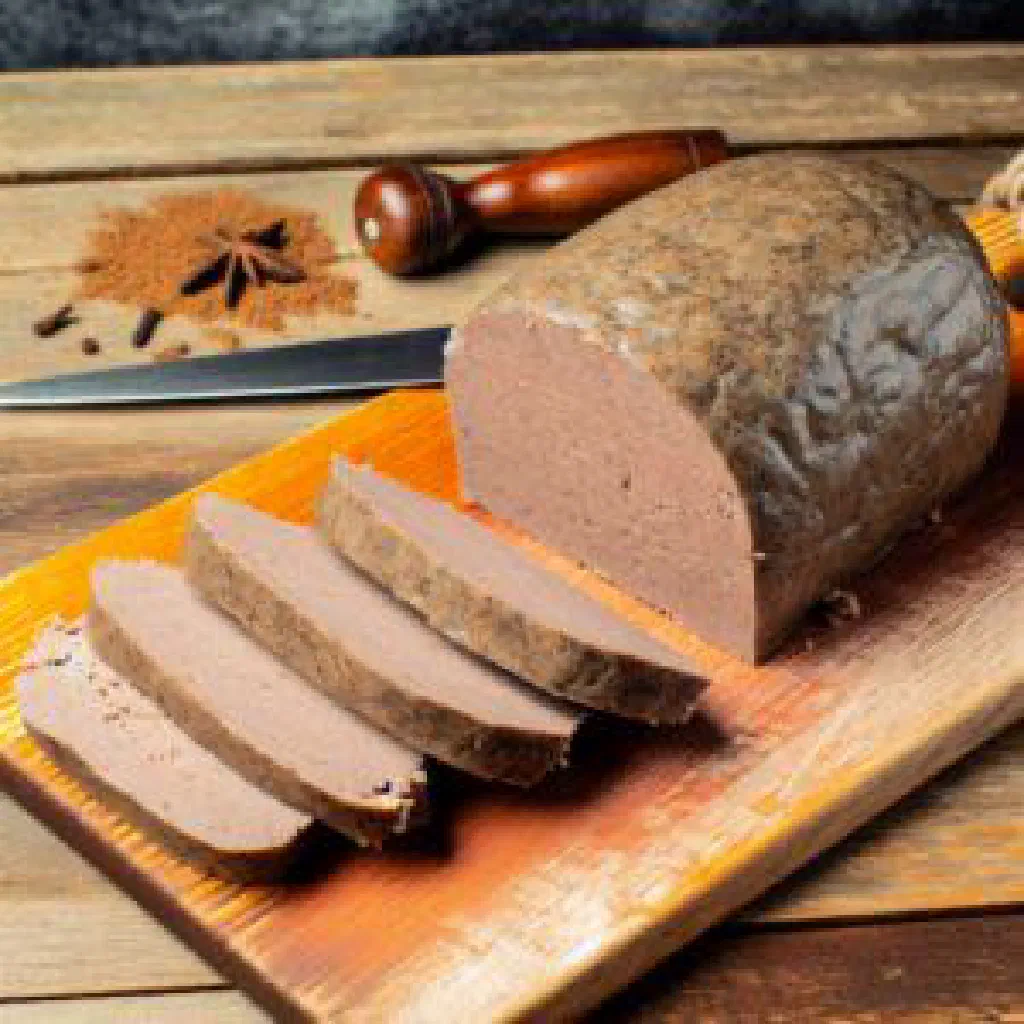
Balkenbrij is a traditional dish well known across the Netherlands and parts of Germany. It is a hearty preparation with its roots in rural cooking, especially prized during the colder months of the year. The main ingredient is a mixture of oat flour, pork and spices, worked into a dense batter and cooked in a tin. The dish has a long history and is often served with regional accompaniments, much like a good Boerenstoofpot that warms you from the inside out.
Ingredients (serves 1–2)
- 250 g oat flour
- 300 ml water or stock
- 200 g cooked pork
- 1 teaspoon salt
- 1 teaspoon pepper
- 1 teaspoon nutmeg
- 1 tablespoon butter, for the tin
Shopping for the ingredients
For the best balkenbrij, it is worth choosing fresh, good-quality ingredients. Oat flour is available in most supermarkets and health-food shops and makes an excellent base for the dish. The pork can be either boiled or pan-fried; just make sure it is thoroughly cooked through to bring out the best flavour. Spices such as nutmeg and pepper are timeless staples found in most kitchens.
Preparing the dish
Before you start cooking balkenbrij, make sure all the ingredients are to hand and measured out correctly. Begin by cutting the pork into small pieces and mixing it thoroughly in a bowl with the spices. Have the water or stock ready too, so the cooking goes quickly and smoothly. The better the preparation, the easier the whole process becomes.
Step-by-step instructions
- Heat the water or stock in a pan and add the salt along with the spices.
- Sprinkle in the oat flour while stirring constantly, until a thick mass forms.
- Fold the cooked pork through the mixture and combine everything well.
- Grease a loaf tin with butter and spoon in the mixture evenly.
- Cover the tin and cook the dish over a low temperature for about 60 minutes.
- Once cooked, let the balkenbrij cool and then cut it into slices.
- The slices can be fried again in a pan and served golden brown.
Gluten-free / lactose-free version
Balkenbrij is easy to make gluten-free by using certified gluten-free oat flour. The same goes for lactose-free options: simply use lactose-free butter or margarine to grease the loaf tin. When shopping, it is important to check that every ingredient is clearly labelled gluten-free. That way everyone, including those with intolerances, can enjoy the dish without worry.
Tips for vegans and vegetarians
For a vegan version, the pork can be replaced with vegetarian alternatives such as tofu or lentils. These ingredients are rich in protein and keep the dish just as filling. You can also swap the water for vegetable stock to deepen the flavour. Adding extra vegetables like carrots or courgette to the batter makes the dish more colourful and nutritious too.
More tips and tricks
One of the best tips for making balkenbrij is to keep a close eye on the consistency. The mixture should not be too runny, or it may fall apart. If needed, a little extra oat flour can be added to reach the desired thickness. Patience matters while the dish cooks: let it rest long enough for the flavours to develop fully.
Adapting the recipe to your taste
The balkenbrij recipe can be adapted in many ways to suit personal taste. Add different spices such as thyme or caraway to give the dish your own signature note. The choice of meat can vary too, beef works just as well as pork, much as it does in a rich Hachee. You can also adjust the cooking time to suit your schedule.
Ingredient substitutions
If some ingredients are not available, there are usually good alternatives. Instead of oat flour, you can use cornmeal or rice flour, which offer a different texture and a slightly different taste. For the pork, chicken or plant protein make useful stand-ins that enrich the dish in their own way. When shopping, see what is available in your region and adjust the recipe accordingly, just as you might when making Panhas.
Drink pairing ideas
The right drink can lift the whole balkenbrij experience. Beer is a superb match, as it complements the dish’s hearty, savoury flavours beautifully. For an alcohol-free option, a fresh ginger tea or a minty sparkling water brings a lively contrast to the rich food. Apple or grape juice can also add a touch of sweetness to round out the flavours.
Serving and presentation ideas
Balkenbrij looks especially appealing when cut into neat slices and arranged on a handsome plate. A garnish of fresh herbs such as parsley or chives adds both a visual highlight and a fresh note to the dish. Serve it alongside a little applesauce or red cabbage for a perfect combination of flavours. A rustic wooden board also makes for a lovely way to present it.
A bit of history
Balkenbrij has an intriguing history that reaches back to the rural communities of the Netherlands, where it was often prepared as a simple, nourishing meal. Originally it was devised as a way to use up leftover meat and provide a filling dish for the cold winter months. Today it is not only a beloved dish in the Netherlands but has also gained recognition in other countries, including parts of Germany. This traditional dish reflects the rich heritage of Dutch cuisine and is often served at festivals and gatherings.
More recipe ideas
Summary: Balkenbrij
Balkenbrij is a delicious, hearty dish that is perfect for cold days. With its simple preparation and adaptable ingredients, anyone can create their own version to suit their taste. Whether interpreted in a traditional or modern way, this dish brings not just flavour to the plate but a piece of history too. With the right sides and drinks, balkenbrij becomes a culinary experience that lingers long in the memory.