National Dish Netherlands: Blinde Vink (Recipe)
In this article
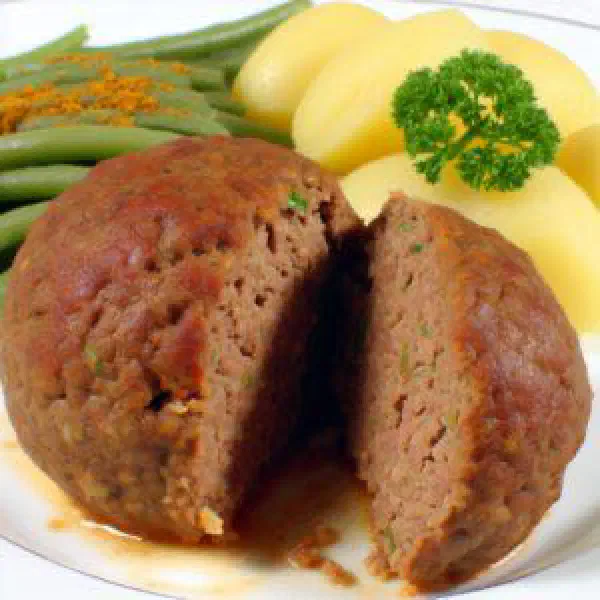
Say hello to Blinde Vink, a comforting Dutch classic that turns simple ingredients into something genuinely special. A savoury, well-seasoned minced meat filling sits inside a buttery, crisp casing that bakes to a beautiful golden brown. Born as honest, hearty fare for the working day, it has grown into a dish that feels just as at home on a festive table. With its warm aromas and a pinch of nostalgia, it is the kind of meal that brings everyone back for seconds.
About Blinde Vink
Blinde Vink is a traditional Dutch dish known for its crisp outer casing and a savoury, well-spiced filling. At its heart is tender minced meat, wrapped snugly in a pastry coat before baking. It began life as a simple meal for the working class, yet over the years it has grown into a sought-after dish for celebrations and special occasions. With its distinctive flavours and a comforting touch of nostalgia, Blinde Vink makes a wonderful treat for any gathering, and a fine introduction to hearty Dutch cuisine.
Ingredients (serves 1–2)
- 250 g minced meat (beef or pork)
- 1 onion, finely chopped
- 2 garlic cloves, crushed
- 1 tsp mustard
- 1 tsp paprika
- Salt and pepper, to taste
- For the pastry: 200 g flour, 100 g butter, 1 egg, a pinch of salt
Shopping for the ingredients
When shopping for Blinde Vink, it pays to choose good-quality produce. Pay a visit to your local butcher for the freshest minced meat, as this makes a real difference to the final flavour. The onions and garlic should be fresh too, so their aromas come through at their best. For the pastry, reach for good flour and quality butter to achieve that perfect, crisp texture. Most of these ingredients are easy to find in a regular supermarket.
Preparing the dish
Before you start cooking Blinde Vink, set out all your ingredients and tidy your work surface. Begin with the minced meat, mixing it thoroughly with the onion, garlic and seasonings. Let the mixture rest for a few minutes so the flavours can mingle and develop. Use this time to prepare the pastry, making sure everything is to hand once it comes to assembling and baking the parcels.
Step-by-step instructions
- Preheat the oven to 180°C.
- In a bowl, combine the minced meat with the onion, garlic, mustard, paprika, salt and pepper.
- For the pastry, put the flour and butter in a bowl, mix well, then add the egg and a pinch of salt.
- Knead the pastry until smooth, then roll it out.
- Cut the pastry into suitable pieces and place a portion of the meat mixture in the centre of each.
- Fold the pastry over the filling and press the edges firmly to seal.
- Place the blinde vinken on a baking tray and bake in the preheated oven for around 25–30 minutes, until golden brown.
Gluten-free / lactose-free version
Making Blinde Vink gluten-free or lactose-free is straightforward with a few simple swaps. Replace the wheat flour with a gluten-free flour blend that works well for pastry. For a lactose-free version, choose plant-based margarine in place of butter. Take care that the filling ingredients are lactose-free as well, so you end up with a delicious result that every guest at the table can enjoy.
Tips for vegans and vegetarians
For vegan or vegetarian versions of Blinde Vink, simply replace the minced meat with plant-based alternatives such as soya mince or a vegetable filling. Make sure all the other ingredients, including the pastry, are vegan too. Add plenty of vegetables like mushrooms or peppers to deepen the flavour and give a pleasing texture. The seasonings can be adjusted to taste so the character of the dish stays intact.
More tips and tricks
To make Blinde Vink even tastier, work different herbs and spices into the filling. Fresh herbs such as thyme or oregano lend the dish a lovely extra note. If you feel like experimenting, try out different fillings and combinations. Serve the blinde vinken with a suitable sauce or a fresh dip to round off the whole experience, much as you would alongside a plate of Bitterballen.
Adapting the recipe to your taste
The recipe for Blinde Vink is easy to adjust to suit your own preferences. You might vary the spices, for instance, or add a little hot mustard for an extra kick. If you prefer something sweeter, try a filling with apple pieces and cinnamon. Take the chance to let your creativity run free and shape the dish exactly to your liking.
Ingredient substitutions
If certain ingredients are hard to come by, there are always alternatives. In place of beef or pork, you could use poultry or even fish for a more varied filling. For a gluten-free pastry, alternative flours such as almond flour or coconut flour work nicely. Experiment with different vegetables, or even some cheese in the filling, to create new flavour combinations.
Drink pairing ideas
A number of drinks help round off the experience of Blinde Vink. A bright, fruity white wine pairs beautifully with the savoury filling. For beer lovers, a light lager or a fruity ale is a good choice. If you prefer something alcohol-free, try a refreshing homemade lemonade or a ginger ale to complement the flavours of the dish perfectly.
Serving and presentation ideas
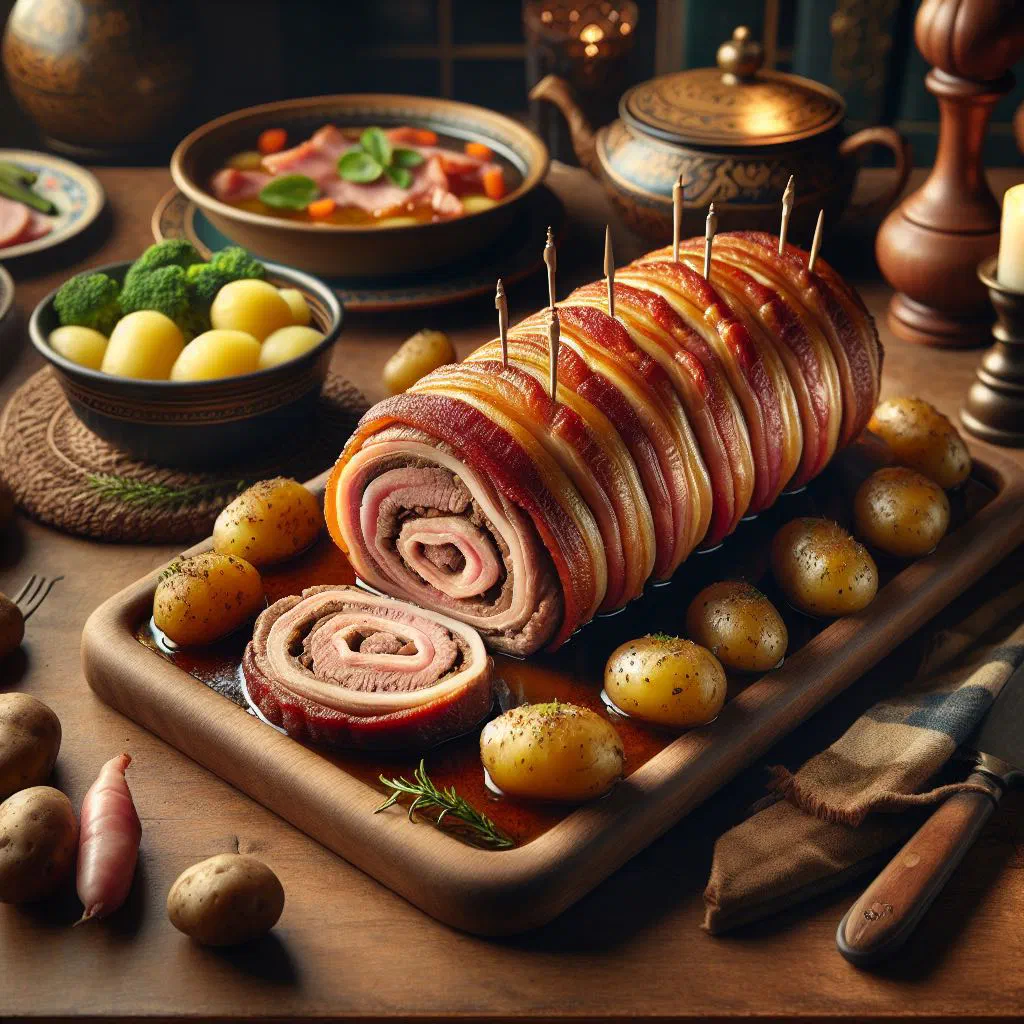
Presentation plays a real part in the enjoyment of Blinde Vink. Serve the crisp parcels on a rustic wooden board alongside fresh vegetables or a crunchy salad. A few fresh herbs scattered over as a garnish lend the dish an extra touch of elegance. Offering guests a selection of dips in small bowls makes the spread especially varied and inviting.
A bit of history
Blinde Vink has a fascinating history rooted deeply in Dutch culture. It was originally made by farm and country labourers, as it was nourishing and easy to carry. Over the years it grew into a popular festive dish, found at all manner of celebrations and gatherings. It symbolises the Dutch kitchen and the warm, welcoming spirit of Dutch society, a quality it shares with the country’s beloved Erwtensoep.
More recipe ideas
Summary: Blinde Vink
In short, Blinde Vink is a flavoursome national dish of the Netherlands, rich in both history and taste. With its crisp pastry and savoury filling, it is a popular choice for celebrations and everyday meals alike. The recipe’s adaptability means there is a version to suit every palate. Give it a go and pleasure your guests with this delicious slice of Dutch culture.