National Dish Netherlands: Boerenkaas (Recipe)
In this article
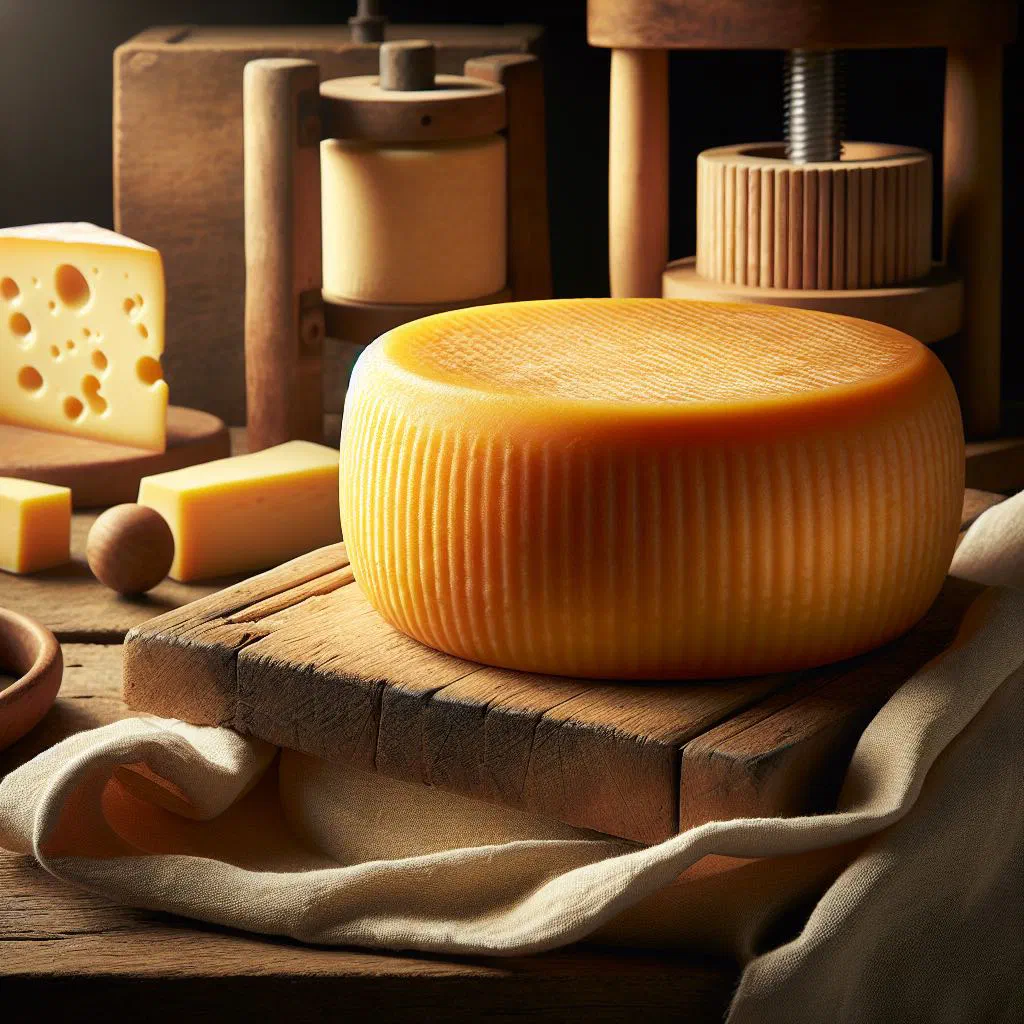
Say hello to Boerenkaas, the Netherlands’ beloved farmhouse cheese and a true taste of the Dutch countryside. Traditionally made from raw milk from cows grazing on lush lowland pastures, it carries a bold, full-bodied flavour that is at once mellow and savoury. With a slice of hearty bread or alongside crisp fruit, this rustic cheese turns the simplest plate into something memorable. Bring a little Dutch dairy heritage straight to your own table.
About Boerenkaas
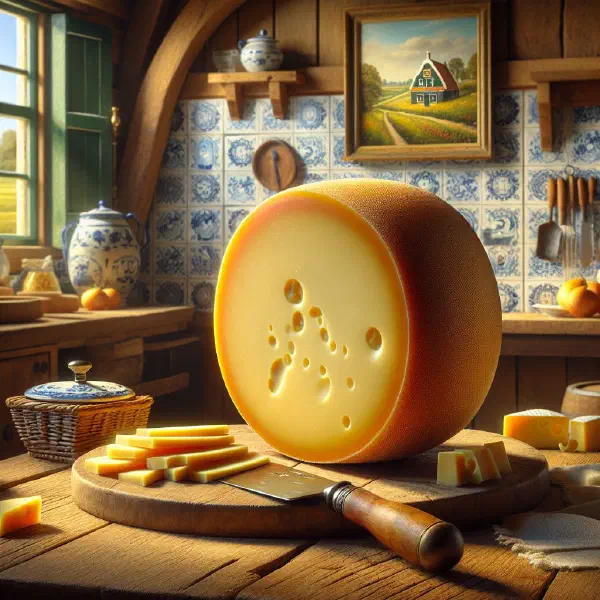
Boerenkaas is more than a cheese; it is a piece of culture from the Netherlands. It is traditionally made from unpasteurised milk from cows that graze on the lush meadows of the Dutch countryside. This method gives the cheese its distinctive, robust flavour, which is both mellow and savoury. Enjoy it on its own, with fresh bread, or paired with an assortment of fruit. It is a quiet star of Dutch dairy craftsmanship and a cornerstone of the country’s Dutch cuisine.
Ingredients (serves 1–2)
- 200 g boerenkaas
- 2 slices wholemeal bread
- 1 apple, finely sliced
- 1 small handful of nuts (e.g. walnuts)
- A splash of olive oil
- Freshly ground pepper, to taste
Shopping for the ingredients
When shopping for the ingredients for boerenkaas, look for high-quality boerenkaas at a cheese shop or a farmers’ market. Make sure the cheese is made from unpasteurised milk so you experience its authentic flavour. For the bread, choose a rustic wholemeal loaf that complements the aromatic cheese beautifully. Don’t forget to pick up fresh fruit such as apples, along with nuts, for a well-balanced combination.
Preparing the dish
Before you begin, it is worth getting all your ingredients ready. Cut the boerenkaas into manageable pieces or slices so it is easy to eat. Wash the apple and slice it thinly, its sweet-tart note pairs perfectly with the cheese. You can also roughly chop the nuts to make them easier to scatter among the cheese and bread.
Step-by-step instructions
- Slice the boerenkaas and arrange it on a large plate.
- Lightly toast the wholemeal bread slices for a crisp texture.
- Arrange the apple slices and the nuts beside the cheese on the plate.
- Drizzle a little olive oil over the prepared ingredients.
- Sprinkle with freshly ground pepper and enjoy.
Gluten-free / lactose-free version
For a gluten-free version, use gluten-free bread or simply serve the dish with fresh vegetable sticks. Alternatively, boerenkaas can be served on gluten-free crackers. If you are watching your lactose intake, choose a lactose-free boerenkaas, though the selection may be limited. It is worth checking with your cheesemonger in advance.
Tips for vegans and vegetarians
For vegans, it can be a challenge to find an equally flavourful alternative to boerenkaas. That said, there are several plant-based cheeses on the market made from nuts or soya. Alternatively, you could try a homemade vegan cheese refined with fermented nuts and spices. Vegetarians can keep the recipe exactly as it is, since boerenkaas is often suitable for a vegetarian diet.
More tips and tricks
To intensify the flavour of boerenkaas, let it come up to room temperature before serving. Keep it in the fridge, but take it out at least 30 minutes before eating. Pair the cheese with honey or a fruity jam to harmonise the flavours and create a sweet-savoury snack. The cheese also works wonderfully as an ingredient in all sorts of salads, much as it shines in a creamy Kaasfondue.
Adapting the recipe to your taste
The recipe is easy to adapt to your personal preferences. Perhaps you favour certain fruits over others. Try different fruits to create your own combinations. Alongside apples, pears, figs or grapes can add interesting flavour nuances. Keep in mind, too, that the choice of nuts can vary: almonds, pecans or peanuts each bring their own character.
Ingredient substitutions
If you don’t have boerenkaas to hand, you can replace it with other firm, aged cheeses, such as Goudse Kaas or Edam. These cheeses share similar flavour qualities, as does the rich and nutty Beemsterkaas. For the bread, you can turn to other varieties, such as ciabatta or spelt bread. Bear in mind, too, that the nuts can be swapped: walnuts, cashews or pecans all make good alternatives.
Drink pairing ideas
Several drinks pair well with boerenkaas. A glass of red wine, especially a fruity Merlot or Shiraz, harmonises beautifully with the cheese’s bold flavour. Alternatively, a well-chilled light beer makes a refreshing accompaniment. For an alcohol-free option, a crisp apple juice or a fruity smoothie is ideal for bringing out the cheese’s flavours. For something more festive, try a small glass of Boerenjongens.
Serving and presentation ideas
Presentation plays an important role in the enjoyment of food. Serve the boerenkaas on a handsome wooden board or a white plate so the colours look bright. Arrange the ingredients artfully and vary the layout to create a harmonious picture. Fresh herbs or edible flowers can also refine your presentation and lend the dish a special touch.
A bit of history
The tradition of making boerenkaas has a long history in the Netherlands. It was originally produced by farmers in small dairies, often in less industrialised regions. These cheeses were part of an agricultural tradition and reflected local conditions. Today it is an important delicacy and is a symbol of Dutch identity.
More recipe ideas
Summary: Boerenkaas
Boerenkaas is an exquisite farmhouse cheese that effortlessly represents Dutch food culture. Its full-bodied flavour and versatility make it an ideal ingredient for countless dishes. Whether on its own, in a sandwich or as part of a colourful starter platter, boerenkaas lends every dish a special note. Give it a try yourself and discover the culinary wonders of this traditional speciality.