National Dish Netherlands: Boterkoek (Recipe)
In this article
Meet Boterkoek, the buttery Dutch bake that turns a handful of pantry staples into something rather special. Dense, golden and gently sweet, it sits somewhere between a shortbread and a cake, the perfect partner for an afternoon cup of tea or coffee. With only a few ingredients and the simplest of methods, it is a recipe anyone can master, whether you are a confident baker or just starting out.
About Boterkoek
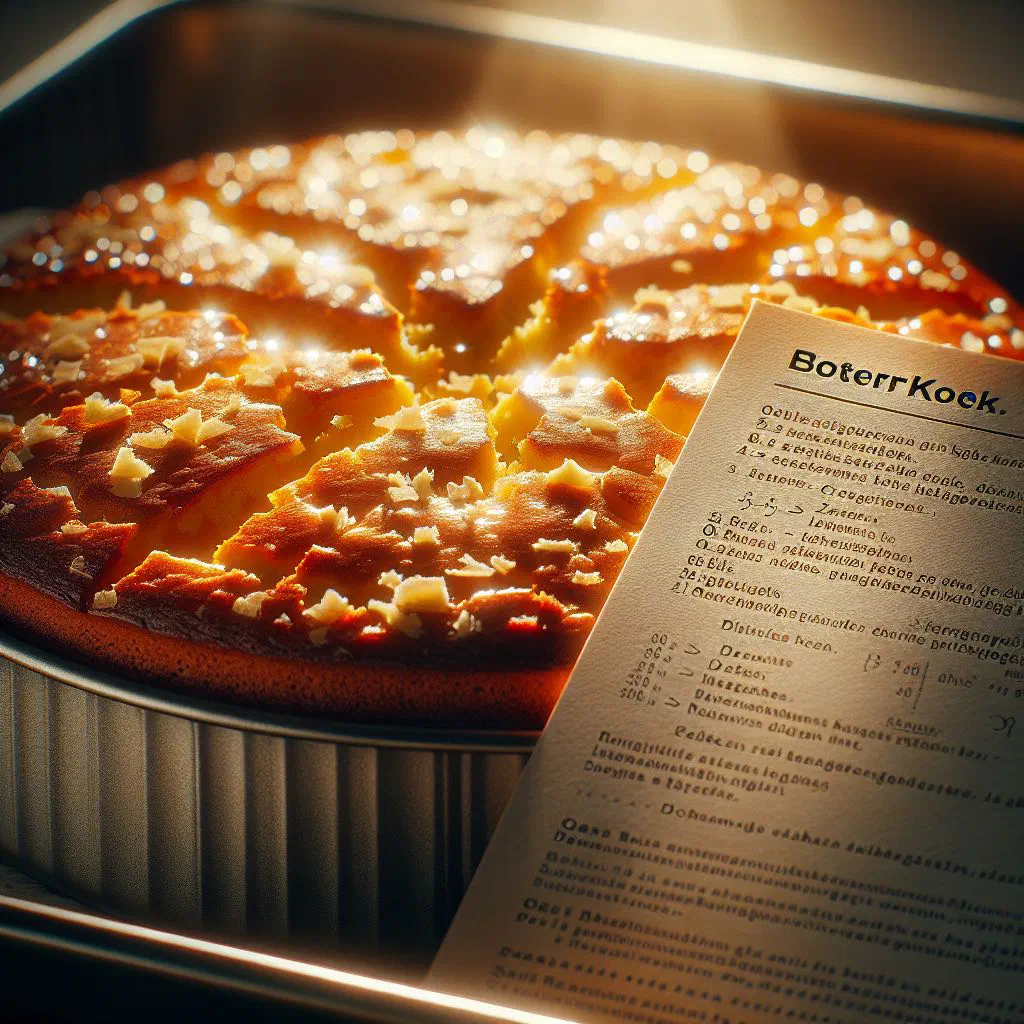
Boterkoek is a traditional Dutch bake that proves you need very little to make something wonderful. Built from just a few everyday ingredients, it delivers an unmistakable flavour all the same. These rich butter cakes are made for sharing alongside a pot of tea or a strong coffee. The blend of a deeply buttery taste and a gentle sweetness has made boterkoek a favourite treat for every occasion, and the method is so straightforward that cooks of any level can pull it off with ease.
Ingredients (serves 1–2)
- 100 g butter, softened
- 100 g sugar
- 100 g plain flour
- 1 egg
- 1 tsp vanilla sugar
- 1 pinch of salt
Shopping for the ingredients
When you go shopping for boterkoek, most of what you need is easy to find in any well-stocked supermarket. Choose fresh butter with care, as it forms the very foundation of the bake’s flavour. Sugar and flour are standard cupboard staples found in almost every kitchen. It is also worth seeking out good-quality vanilla sugar, since it can lift the aroma of the finished cake considerably.
Preparing the dish
Preparing boterkoek is quick and fuss-free. Start by creaming the softened butter and the sugar together in a bowl until the mixture turns pale and smooth. While you work, crack the egg ready to add, as it helps to improve the consistency of the batter. The key is to combine everything thoroughly, giving you the perfect base for your butter cake.
Step-by-step instructions
- Preheat the oven to 180°C.
- Cream the softened butter and the sugar together in a mixing bowl until light.
- Add the egg, the vanilla sugar and the salt, and mix everything well.
- Tip in the flour and stir until you have a smooth, even dough.
- Spoon the dough into a greased or lined baking tin.
- Spread it out evenly and smooth over the top if needed.
- Bake the boterkoek for about 25–30 minutes, until golden brown.
- Leave it to cool after baking before cutting it into pieces.
Gluten-free / lactose-free version
A gluten-free and lactose-free boterkoek is perfectly achievable. Simply swap the ordinary flour for a gluten-free flour blend and use lactose-free butter or margarine in place of regular butter. Just be sure the remaining ingredients are gluten- and lactose-free too. That way you can enjoy all the pleasure of this traditional bake even with particular dietary needs.
Tips for vegans and vegetarians
For a vegan boterkoek, replace the butter with plant-based margarine or coconut oil, and substitute the egg with apple purée or flaxseed (1 tablespoon of ground flaxseed mixed with 2.5 tablespoons of water makes one egg). Do check that every ingredient you reach for is genuinely vegan. The recipe adapts beautifully, so everyone can share in the treat, and the classic taste of boterkoek shines through even in its plant-based form.
More tips and tricks
A few handy tips for baking boterkoek include preheating the oven properly and keeping a close eye on the baking time, since every oven behaves a little differently. You could fold in some chocolate chips to make the cake even more appealing. Another idea is to dust the cooled bake with icing sugar for an extra touch of sweetness, much like you would with Stroopwafels. Store your boterkoek in an airtight tin to keep it fresh.
Adapting the recipe to your taste
Boterkoek lends itself wonderfully to personal tweaks. You might stir in nuts, raisins or other dried fruit to create different flavour combinations. Some bakers prefer to cut back on the sugar or reach for alternative sweeteners. You could even experiment with warming spices such as cinnamon or nutmeg to give the bake a distinctive twist.
Ingredient substitutions
If you do not have every component of the recipe to hand, there are several alternatives worth trying. In place of butter, low-fat quark can be used for a lighter version. As for the flour, ground almonds or oatmeal make a good gluten-free option. Experiment with different ingredients to discover and fine-tune your favourite flavour.
Drink pairing ideas
The ideal companions to boterkoek are warm drinks that echo the bake’s richness. A hot cup of tea or coffee is an excellent choice. Herbal tea or a chocolatey cocoa pair beautifully too. For something a little different, you might serve a fruity smoothie that offers a fresh, lively contrast.
Serving and presentation ideas
To show off your boterkoek, arrange it on a pretty plate or a cake stand. One nice touch is to use baking tins in various shapes so the pieces look especially appealing. The bake can be cut into bite-sized squares to make serving easier. A small piece of fruit or a mint leaf as a garnish adds a lovely finishing touch.
A bit of history
Boterkoek has its origins in the Netherlands and is further proof of the inventive spirit of Dutch baking. Historically, this simple recipe was passed down from one generation to the next. Its main ingredient, butter, was a symbol of prosperity, which is why it was often served on festive occasions. Today boterkoek holds a firm place in many Dutch kitchens and is a regular treat at celebrations and family gatherings, a true cornerstone of Netherlands cuisine.
More recipe ideas
Summary: Boterkoek
With just a few basic ingredients and a handful of straightforward steps, you can create a wonderful treat for any occasion. Boterkoek is always a joy. And with tips for gluten-free or vegan baking, this lovely recipe is one that everyone can try.