National Dish Netherlands: Buttermilk (Recipe)
In this article
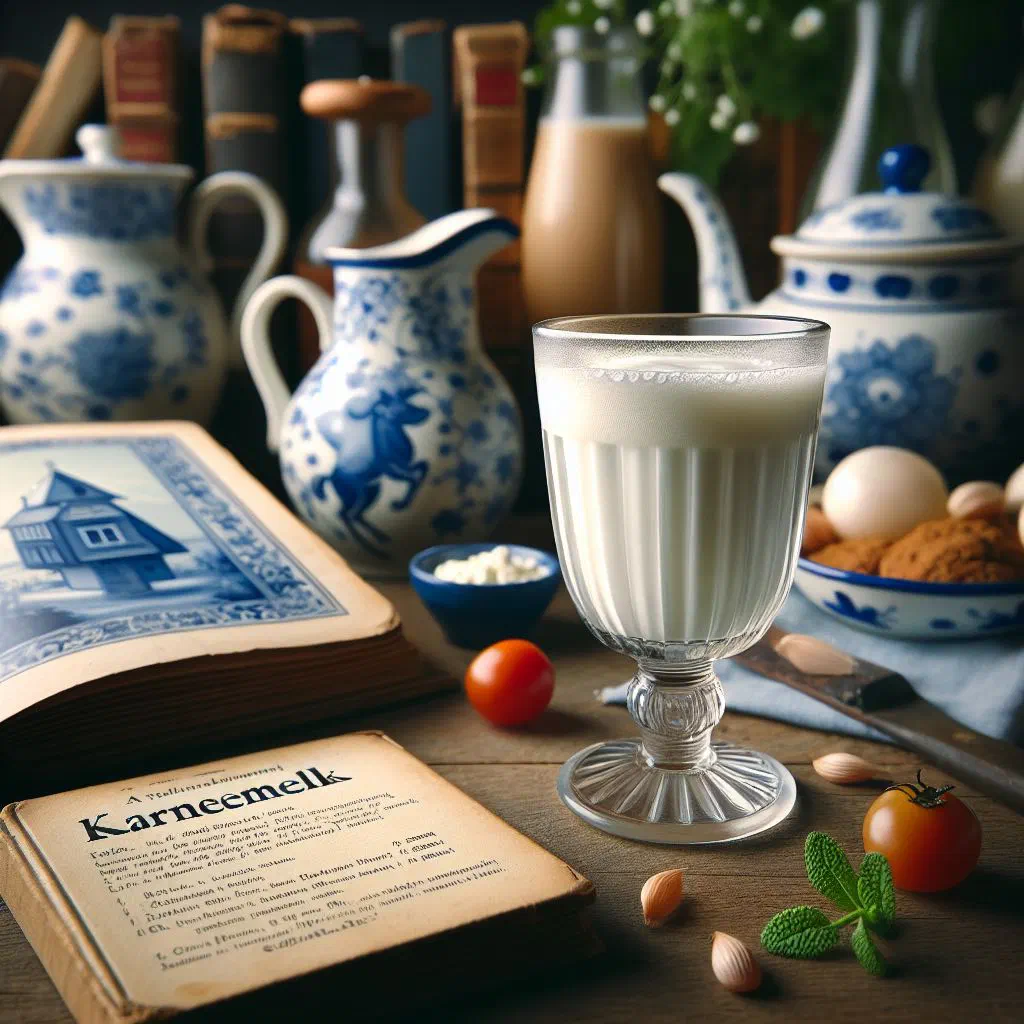
Meet Karnemelk, the Netherlands’ much-loved buttermilk, a creamy, gently tangy drink with a refreshing bite. Made by fermenting milk, it has long been a Dutch thirst-quencher as well as a clever cooking ingredient that lends a soft, mellow sourness to bakes and batters. Easy on the stomach and rich in nutrients, it is the kind of simple, wholesome staple that has earned a place at the Dutch table for generations. Here is how to make your own at home.
About Buttermilk
Buttermilk is a traditional Dutch drink made by fermenting whole milk or cream. It has a lightly sour flavour and is wonderfully refreshing, which is why it is so often enjoyed as a thirst-quencher across the Netherlands. Beyond drinking it on its own, locals frequently reach for it as an ingredient in all manner of recipes. It is tasty and rich in nutrients, and it is widely regarded as kind to the stomach and good for digestion.
Ingredients (serves 1–2)
- 500 ml whole milk
- 2 tablespoons yoghurt or buttermilk
- 1–2 tablespoons sugar (optional)
- A pinch of salt
Shopping for the ingredients
When shopping for buttermilk it is well worth choosing fresh produce. Make sure the whole milk and the yoghurt are of good quality, as this is the key to the best flavour. Many supermarkets also stock organic options, which work beautifully for this recipe. If you are after a particular character, it is also worth seeking out regional dairy products to see how they change the result.
Preparing the dish
Preparing buttermilk is genuinely simple and takes only a few minutes of hands-on work. Begin by making sure all your ingredients are ready to hand. It helps to have a bowl and a whisk prepared so you can blend everything together smoothly. Bring the milk and the yoghurt to room temperature before you start, as this gives the fermentation the best possible head start.
Step-by-step instructions
- Pour the whole milk into a bowl.
- Add the yoghurt or buttermilk.
- Whisk everything together thoroughly until the ingredients are well combined.
- If you like, add the sugar and a pinch of salt and stir once more.
- Leave the mixture to stand at room temperature for around 12–24 hours, until it turns thick and creamy.
- Once it has reached your preferred level of fermentation, your buttermilk is ready to use.
Gluten-free / lactose-free version
For a gluten-free and lactose-free version, simply use lactose-free whole milk and yoghurt. The fermentation also works happily with plant-based alternatives such as soya or oat milk, both of which preserve the characteristic taste and texture of buttermilk. Just double-check that any products you use are certified gluten-free if you are catering for a gluten intolerance.
Tips for vegans and vegetarians
A vegan version of buttermilk is easy to put together by swapping in plant-based milk and yoghurt. Try almond or coconut yoghurt to create a distinctive flavour of your own. The same fermentation steps apply, although the timing may vary slightly depending on the product you choose. It is a lovely way to enjoy a refreshing, plant-based take on a classic.
More tips and tricks
A few handy pointers will help you get the most from your buttermilk, starting with fresh, good-quality ingredients. Ferment the mixture somewhere warm to speed the process along. If you prefer an unsweetened result, leave out the sugar entirely. It is also worth experimenting with different fermentation times until you find the exact level of tang that suits your palate.
Adapting the recipe to your taste
This buttermilk recipe is easy to tailor to your own preferences. You might add extra flavourings such as vanilla or cinnamon to make the drink a little more interesting. If you like things sweeter, a spoonful of honey or maple syrup does the trick. It pairs as readily with a stack of Pannenkoeken as it does sipped on its own.
Ingredient substitutions
If you have no whole milk to hand, kefir makes a fine stand-in, delivering a similar texture and flavour. For a more aromatic note, try coconut milk combined with a plant-based yoghurt. These alternatives not only shift the taste but can also bring extra nutrients to the mix. Experiment with different combinations to land on your ideal buttermilk, much like the gentle souring at the heart of Karnemelkse Pap.
Drink pairing ideas
Buttermilk goes particularly well with fruity juices or spritzers, which complement its refreshing character. Tea is another good companion, with a cup of green tea working especially nicely. If you fancy something stronger, pair it alongside a cocktail or even a beer. As ever, choose the combinations that play to your own taste, much as you would with a warming glass of Anijsmelk.
Serving and presentation ideas
Thoughtful presentation can lift the whole buttermilk experience. Serve it in pretty glasses or generous mugs to make the drink look as good as it tastes. Fresh herbs or slices of lemon or lime make charming garnishes. A handsome tray or a rustic wooden board rounds off the picture beautifully, the same care you might give a bowl of Vla.
A bit of history
Buttermilk has a long tradition in Dutch culture. It was originally obtained as a by-product of butter-making and quickly won favour as a refreshing drink. In rural areas it has been a fixture of the diet for centuries and was often worked into all manner of dishes. This close link to farming and the land makes buttermilk a genuinely distinctive thread in Dutch cuisine.
More recipe ideas
Summary: Buttermilk
In short, buttermilk is a tasty and wholesome drink steeped in the traditions of Dutch cooking. With just a handful of simple ingredients you can quickly and easily prepare a delicious version of this fermented classic. There are countless ways to adapt and refine it, so everyone can find their own ideal buttermilk. Buttermilk is a wonderful addition to any meal.