National Dish Netherlands: Duivekater (Recipe)
In this article
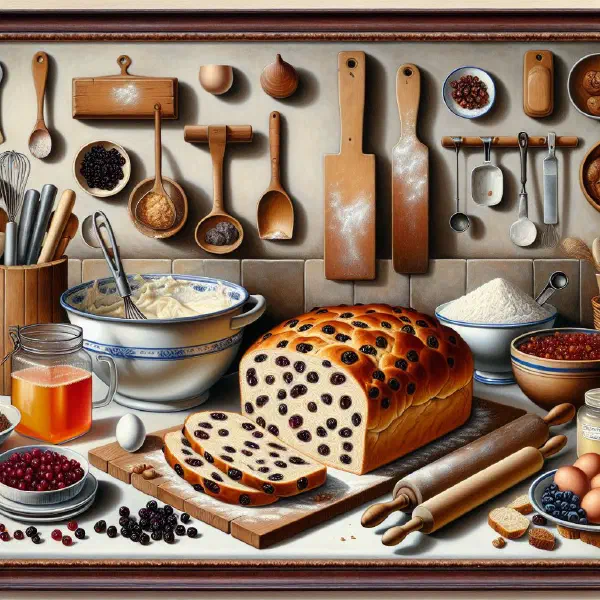
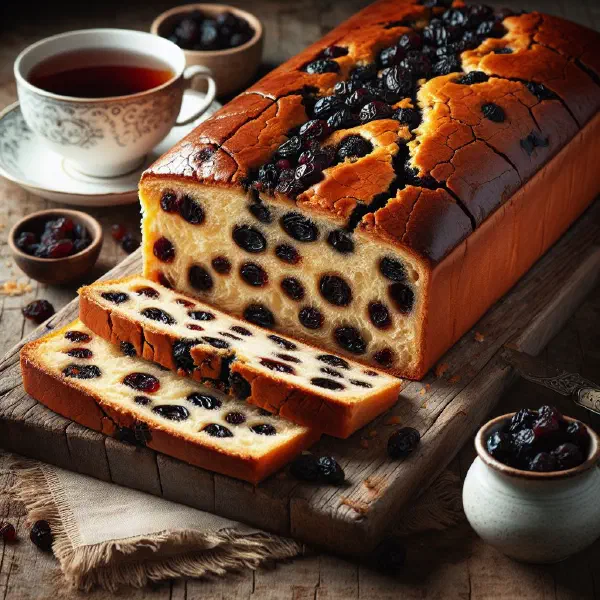
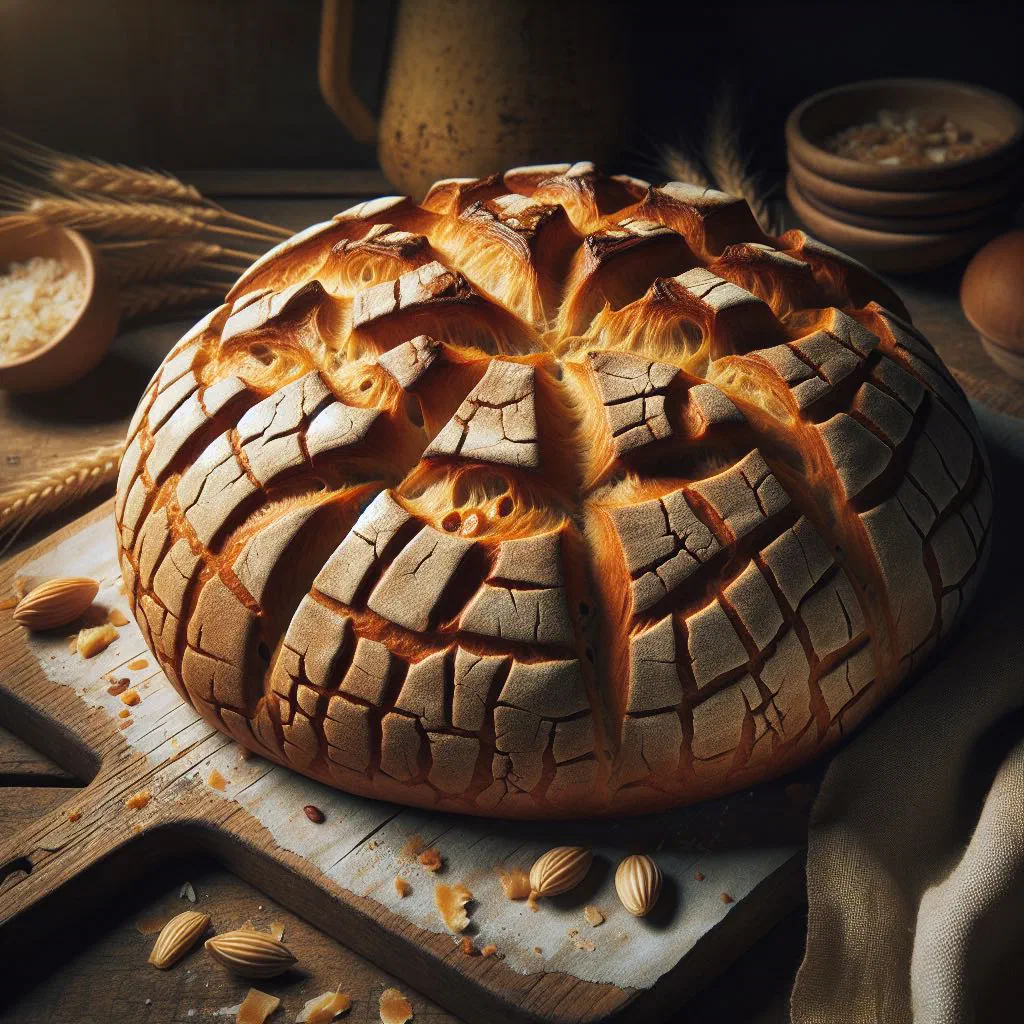
Meet Duivekater, a wonderfully airy sweet bread from the Netherlands that fills the kitchen with the warm scent of cinnamon and nutmeg. Light, gently sweet and beautifully golden, this festive yeast bake is a treat for special occasions and lazy Sunday breakfasts alike, though it is every bit as welcome alongside an afternoon cup of coffee. With its tender crumb and inviting aroma, it is a bake that appeals to the eye as much as the palate.
About Duivekater
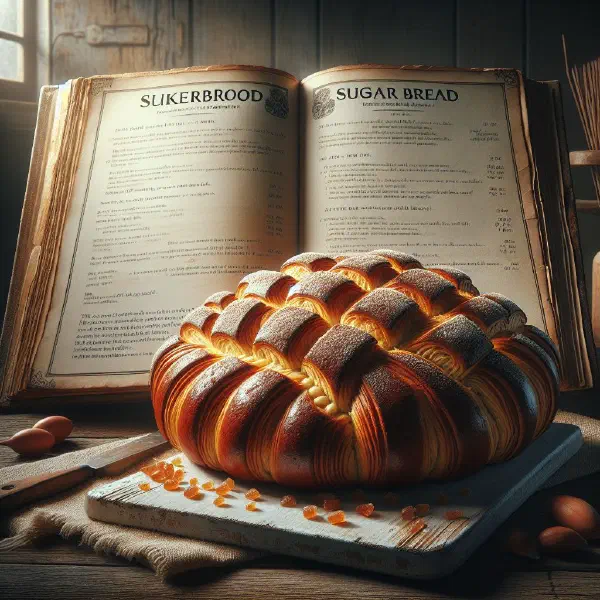
Duivekater is a traditional Dutch bake, much loved in and around the Utrecht region. Its name comes from “Duiwekater”, roughly meaning “dove tom-cat”, a nod to its distinctive shape. This delicious speciality is often served at festive gatherings or as part of a leisurely Sunday breakfast. With its tender texture and sweet aroma, Duivekater is a pleasure for the senses, and it remains a charming example of the country’s rich baking heritage.
Ingredients (serves 1–2)
- 250 g flour
- 100 g sugar
- 1 sachet dried yeast
- 1 egg
- 150 ml cream
- 50 g butter
- 1 pinch of salt
- 1 tsp cinnamon
- Optional: raisins or almonds
Shopping for the ingredients
When shopping for Duivekater, it is worth choosing fresh produce to get the very best result. Good-quality butter and fresh eggs matter most, as they form the base of the bread’s light and airy texture. Use a fine caster sugar so it dissolves evenly through the dough. Raisins or almonds make a lovely addition too, especially if you would like to bring an extra touch of character to your bake.
Preparing the dish
Before you begin making Duivekater, it helps to set a calm, unhurried tone in the kitchen. Make sure all of your ingredients are to hand and that you have plenty of time to work through the recipe at a relaxed pace. Getting your bowls, mixers and baking tray ready early makes everything run more smoothly. This is also the moment to decide on any extras, such as almonds or raisins, so you can tailor the Duivekater to your taste.
Step-by-step instructions
- Tip the flour into a large bowl and combine it with the dried yeast, sugar, salt and cinnamon.
- Add the egg, the cream and the melted butter, then knead everything into a smooth dough.
- Cover the dough with a cloth and leave it to rise in a warm place for about 1 hour.
- Once risen, shape the dough as you like and place it on a greased baking tray.
- Leave the shaped dough to prove again for a further 30 minutes.
- Bake the Duivekater at 180°C for around 25–30 minutes, until golden brown.
- After baking, leave the bread to cool on a wire rack.
Gluten-free / lactose-free version
A gluten-free version is easily managed by using a suitable gluten-free flour blend. Make sure it contains a binding agent, such as guar gum or xanthan gum, to hold the crumb together. For a lactose-free option, reach for plant-based margarine and lactose-free cream. These alternatives mean that Duivekater can still be enjoyed by anyone with allergies or intolerances, without losing its lovely texture.
Tips for vegans and vegetarians
For a vegan Duivekater, swap the egg for a flax or chia “egg” and replace the cream with a plant-based alternative such as soya or oat cream. Double-check that all your other ingredients are vegan too. If you are working in a shared kitchen, take care to avoid cross-contamination. With a few simple changes, even vegans can enjoy this delicious bake at the table.
More tips and tricks
A few tips and tricks can make all the difference to a perfect Duivekater. Letting the dough prove a little longer, for instance, encourages an especially light and airy crumb. Preheating the oven properly is essential for even baking. Keep an eye on the bread as it bakes so it turns a beautiful golden brown without overcooking. Patience at the proving stage is always rewarded.
Adapting the recipe to your taste
Duivekater is easy to adapt and vary with different ingredients. A handful of nuts or even chocolate chips, there are no limits to your creativity. Experiment with spices such as nutmeg or vanilla to give the bread your own personal signature. In this way you can create a truly individual flavour that suits your mood and the occasion.
Ingredient substitutions
If you do not have everything to hand, there are plenty of substitutions to fall back on. Yoghurt works nicely in place of cream for a lighter bake, much as it does in many a classic of Netherlands cuisine. Instead of sugar, you can use honey or agave syrup to sweeten the Duivekater while keeping the sugar content down. Small adjustments like these can make a real difference to the finished bread and keep things interesting.
Drink pairing ideas
Many drinks pair beautifully with a freshly baked Duivekater and round off the experience. A classic cup of coffee or a fragrant tea are firm favourites. For special occasions, a glass of sparkling wine adds a festive note, much like a measure of Advocaat. Freshly squeezed juices or milk alternatives also work wonderfully to underline the bread’s gentle sweetness.
Serving and presentation ideas
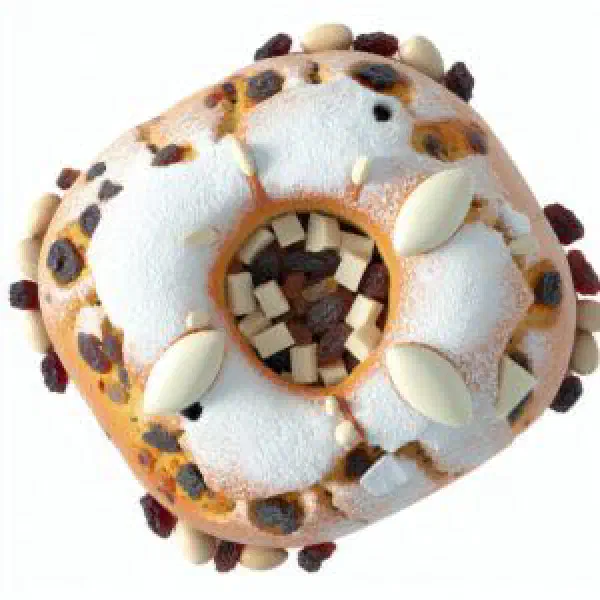
Thoughtful presentation can lift the enjoyment of Duivekater considerably. A pretty serving plate or a rustic wooden board gives this delicacy the right setting. You might dust the bread artfully with icing sugar or decorate it with fresh fruit. Small touches such as edible flowers or special plates complete the picture and make the bake feel like an occasion in itself.
A bit of history
Duivekater has a long tradition in the Netherlands and is closely tied to the customs and celebrations of the Utrecht region. It was originally baked to mark special occasions, such as weddings or holidays. The bake has evolved over the years, yet the traditional methods and recipes have been carefully preserved to this day. As such, Duivekater reflects a culinary tradition and a piece of Dutch culture and history.
More recipe ideas
Summary: Duivekater
Duivekater is an incomparably delicious and traditional Dutch bake, prized for its simple preparation and its wonderful adaptability. The good blend of ingredients is sure to win you over. Baking Duivekater offers a lovely flavour and the chance to revive and enjoy a treasured tradition. Let it inspire you, and give this wonderful recipe a try yourself.