National Dish Netherlands: Friese Oranjekoek (Recipe)
In this article
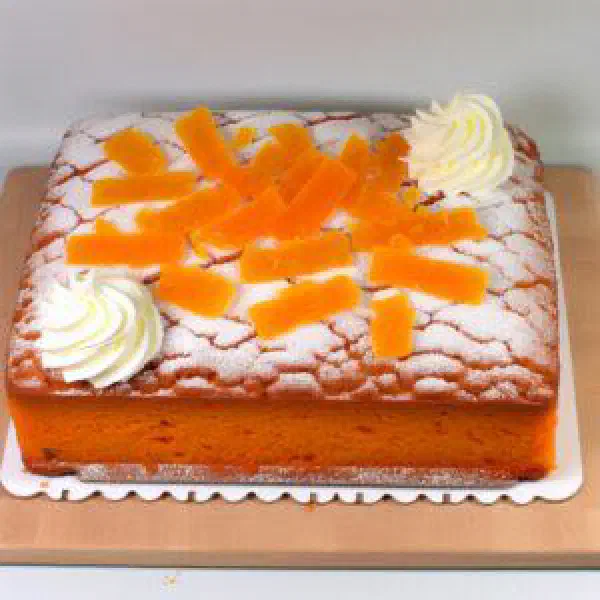
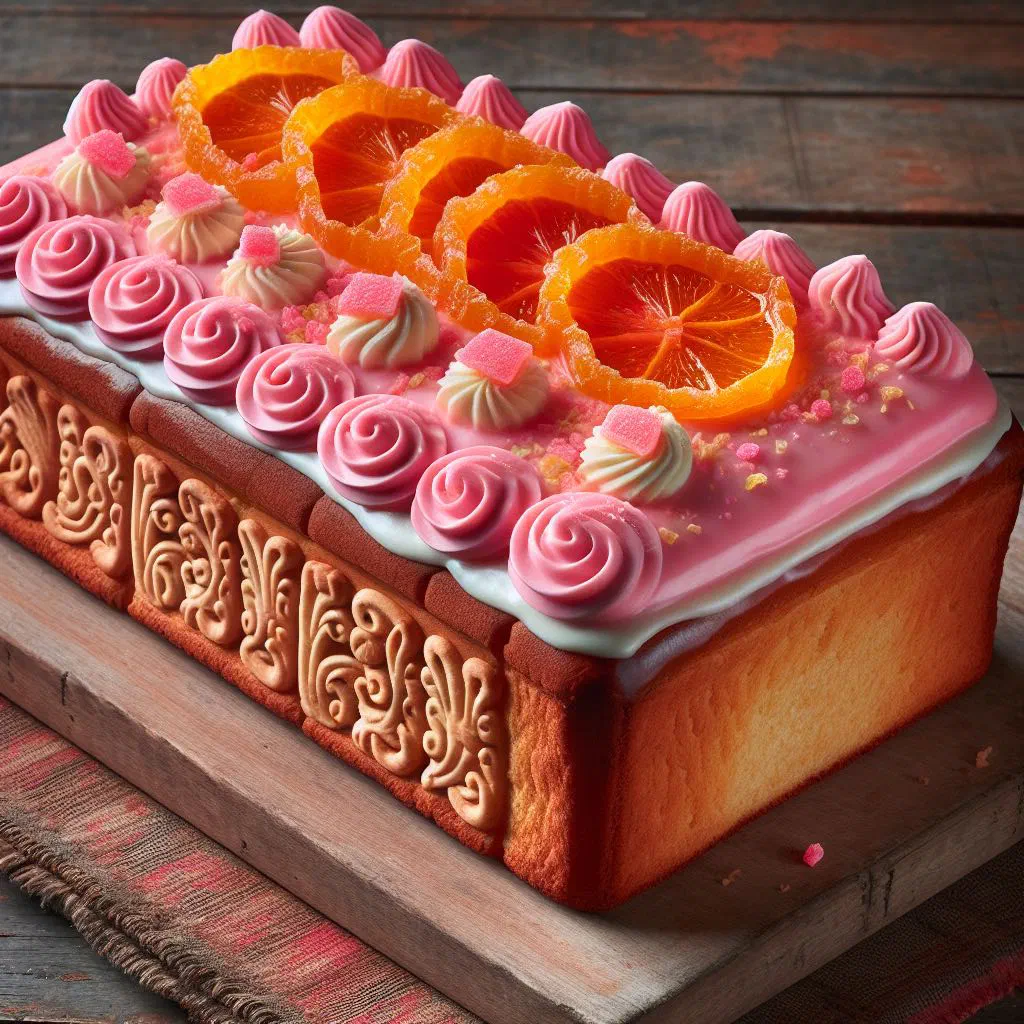
Meet Friese Oranjekoek, a bright and cheerful cake from the northern province of Friesland that turns any coffee break into a small celebration. Its sunny orange colour and zesty citrus flavour make it a firm favourite at birthdays, weddings and festive gatherings across the Netherlands. Moist, fragrant and easy to bake at home, this Frisian classic brings a slice of Dutch tradition straight to your kitchen table.
About Friese Oranjekoek
Friese Oranjekoek is a true gem of Dutch baking heritage. The cake is celebrated for its distinctive flavour and for its vivid orange colour, which radiates a sense of joy and festivity. One bite and you feel instantly transported into Dutch culture. It works beautifully as a sweet snack alongside a cup of coffee, yet it is equally at home at parties and on special occasions, much like other regional treats from the Dutch kitchen.
Ingredients (serves 1–2)
- 150 g plain flour
- 100 g sugar
- 100 g butter
- 2 eggs
- 1 tsp baking powder
- 150 ml orange juice
- Grated zest of one orange
- A pinch of salt
Shopping for the ingredients
When shopping for Friese Oranjekoek, it is worth choosing fresh, good-quality produce. The oranges in particular are key, as both their juice and their zest give the cake its intense aroma. Visit a local market or an organic shop to make sure you get the best ingredients. Alongside the main components, check your kitchen kit too, so you have everything you need close to hand before you begin.
Preparing the dish
Preparing Friese Oranjekoek is not complicated, but it does call for a little groundwork. Start by letting the butter soften and washing the oranges thoroughly. It is important to grate only the thin outer layer of the orange zest, avoiding the bitter white pith underneath. You should also ready a suitable cake tin so you can later spread the batter out evenly.
Step-by-step instructions
- Preheat the oven to 180 °C and grease your cake tin.
- In a bowl, cream the butter and sugar together until the mixture is light and fluffy.
- Add the eggs one at a time, mixing well after each addition.
- Stir the orange juice and the grated zest into the mixture.
- In a separate bowl, combine the dry ingredients (flour, baking powder and salt), then fold them into the wet mixture.
- Stir everything into a smooth, even batter and pour it into the prepared tin.
- Bake the cake for roughly 30–40 minutes, until golden brown.
- Once baked, let the cake cool before serving.
Gluten-free / lactose-free version
If you would like a gluten-free or lactose-free version of Friese Oranjekoek, the adjustments are simple. Use a gluten-free flour blend, which works wonderfully in baking, and opt for lactose-free butter or margarine. The texture and flavour of the cake stay largely intact, so you can still enjoy every bite in these variations. Keep an eye on the baking time, as gluten-free flours can behave a little differently.
Tips for vegans and vegetarians
For a vegan version of the oranjekoek, the eggs can be replaced with ground flaxseed or apple sauce. These ingredients help bind the batter and keep the crumb pleasantly moist. It is also important to choose a plant-based butter alternative. That way vegans can tuck into this delicious cake too, without missing out on any of the flavour.
More tips and tricks
To give Friese Oranjekoek a character all its own, you can add warming spices such as cinnamon or nutmeg. These bring an extra layer of aroma that pairs beautifully with the freshness of the orange. A simple glaze of icing sugar and orange juice can also lend the cake an attractive finish and make it especially appealing. Feel free to experiment with small tweaks to find the combinations you like best.
Adapting the recipe to your taste
Everyone has their own preferences when it comes to flavour and texture. You might, for example, reduce the amount of sugar for a less sweet cake, or fold in extra ingredients such as chopped nuts or raisins scattered through the batter. Touches like these add a personal note to this traditionally Dutch recipe and make it truly your own. Have fun combining new flavours as you go and enjoy the baking.
Ingredient substitutions
If you do not have certain ingredients to hand, or you are catering for allergies, there are alternatives you can use in your Friese Oranjekoek. Instead of regular sugar, you could reach for honey or maple syrup to achieve a natural sweetness. For the citrus note, mandarins or grapefruit can stand in for oranges to vary the cake, the same fruity spirit you find in a Limburgse Vlaai. These swaps can make the cake feel lighter while introducing exciting new aromas.
Drink pairing ideas
A delicious slice of Friese Oranjekoek goes wonderfully with a fresh coffee or a fruity tea that echoes the cake’s flavours. A green tea can be a refreshing match too, its gentle bitterness balancing the sweetness beautifully. For special occasions, a glass of sparkling wine or a lively orange juice adds a festive touch, a fitting send-off you could also reach for beside a slice of Appeltaart. These pairings heighten the pleasure and round off the experience perfectly.
Serving and presentation ideas
How you present your Friese Oranjekoek can make a real difference to your guests’ experience. Serve the cake on an elegant cake stand and decorate it with fresh orange slices or mint leaves for an extra splash of colour. A fine glaze or a dusting of icing sugar on top gives the cake an appealing finish. For celebrations, small name tags or festive trimmings can make the spread feel all the more welcoming and pleasure your guests.
A bit of history
The roots of Friese Oranjekoek reach back into Dutch history, where the cake holds special significance in the region of Friesland. It is traditionally baked for celebrations and festivities, particularly birthdays and weddings. The cake’s bright colour symbolises joy and good fortune, making it the perfect dessert for special occasions. Today, oranjekoek is enjoyed not only in the Netherlands but increasingly around the world, sitting proudly alongside heritage bakes like Oranjekoek and Fryske Dumkes.
More recipe ideas
Summary: Friese Oranjekoek
Friese Oranjekoek is a superb example of delicious Dutch baking culture. With its moist, tender crumb and fruity aroma, it is not only a treat for the palate but a feast for the eyes. This recipe is sure to be a hit. Give it a go and enjoy a slice of Dutch tradition in your own home.