National Dish Netherlands: Haagse Bluf (Recipe)
In this article
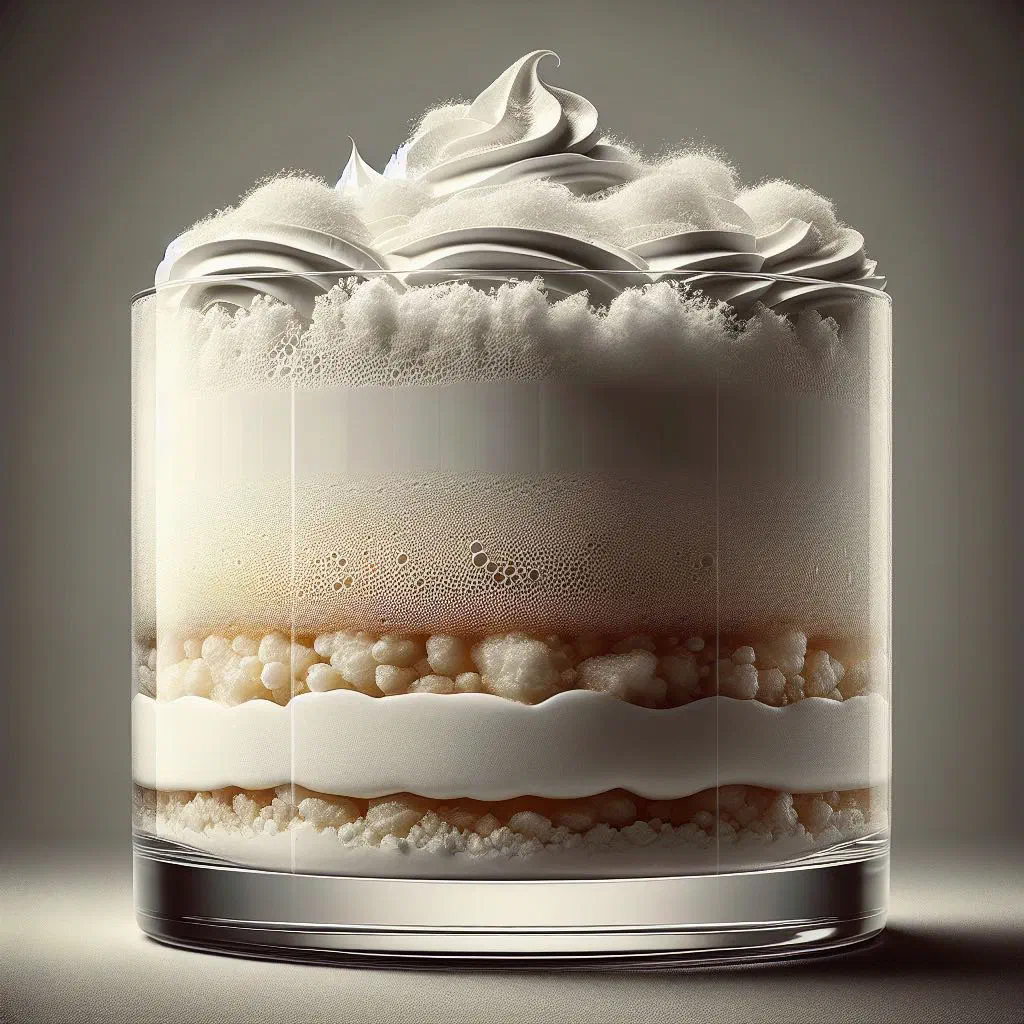
Haagse Bluf is the airiest dessert the Netherlands has to offer — and possibly the cheekiest. Egg whites are whipped with sugar and tart redcurrant juice until the whole thing turns into a pale pink cloud with barely any substance to it. The name translates roughly as “bragging from The Hague”: a lot of show, very little underneath. It is served in glasses with crisp ladyfingers, and it disappears in seconds.
About Haagse Bluf
Haagse Bluf is a traditional Dutch dessert that takes its name from the city of The Hague. It is a light-as-air foam of stiffly beaten egg white and red currant juice, and it appeals to locals and visitors alike. Making it is genuinely simple and the ingredients are available in almost any supermarket. What makes it special is the contrast: intensely tart fruit against sweet, billowing foam.
Ingredients (serves 1–2)
- 3 egg whites (medium)
- 100 g sugar
- 250 ml red currant juice
- A pinch of salt
- Ladyfinger biscuits (lange vingers), to serve
Shopping for the ingredients
When shopping for Haagse Bluf, fresh eggs matter most, the egg white is doing all the work here. The red currant juice should ideally be unfiltered and unsweetened so the characteristic tartness survives; at a pinch you can press it yourself from fresh red currants. Ladyfingers are on the biscuit shelf of any supermarket, and they are the traditional partner for scooping.
Preparing the dish
Before you start, make sure the bowl and the beaters of your mixer are completely free of grease, otherwise the egg white will refuse to stiffen. Separate the eggs carefully so that no yolk finds its way into the whites. Have the currant juice ready to hand so you can pour it in gradually while beating.
Step-by-step instructions
- Beat the egg whites with a pinch of salt in a large, grease-free bowl until they begin to foam.
- Add the sugar a spoonful at a time and continue beating to stiff peaks.
- Pour in the red currant juice slowly, a little at a time, beating constantly.
- Keep beating (about 15–20 minutes) until the mixture is stable and forms glossy peaks.
- Spoon the airy cream into glasses or small bowls.
- Chill for at least an hour before serving, with ladyfingers alongside.
Gluten-free / lactose-free version
The foam itself is naturally gluten-free and lactose-free. It contains nothing but egg white, sugar and fruit juice. Only the ladyfingers served alongside need attention: choose certified gluten-free biscuits, or serve the dessert with fresh fruit instead. That makes Haagse Bluf one of the easiest desserts to adapt for guests with intolerances.
Tips for vegans and vegetarians
The dessert is vegetarian as it stands. For a vegan version, whip aquafaba, the liquid from a tin of chickpeas, in place of the egg whites; it behaves remarkably similarly and takes on the currant juice just as well. Allow a little extra whipping time and add a few drops of lemon juice to help the foam hold.
More tips and tricks
Patience is the whole secret. The mixture needs a good 15–20 minutes of beating before it holds its shape, and it will look alarmingly liquid for much of that time. Keep going. Use juice that is properly tart; if it is too sweet, the dessert loses its character. And serve it soon after chilling, as the foam slowly settles over several hours.
Adapting the recipe to your taste
Haagse Bluf takes happily to other red fruits: cranberry, sour cherry or redcurrant-raspberry blends all work. A tablespoon of lemon juice sharpens the finish if your juice is on the mild side. Some cooks fold a little whipped cream through the finished foam for a richer texture, though purists in The Hague would raise an eyebrow.
Ingredient substitutions
If red currant juice is unavailable, cranberry juice is the closest substitute in both colour and acidity. Caster sugar dissolves faster than granulated and gives a smoother foam. For the biscuits, any crisp sponge finger, shortbread or even a plain wafer does the job of providing crunch against the softness.
Drink pairing ideas
A dessert this light calls for something equally delicate: a glass of chilled sparkling wine or a Dutch fruitwijn suits it well. Non-alcoholic options are just as good, sparkling water with a slice of lemon, or a cup of strong coffee to offset the sweetness. Traditionally, coffee is exactly what follows it.
Serving and presentation ideas
Serve Haagse Bluf in clear glasses so the pale pink colour shows, piled high to emphasise the volume. A few fresh red currants on top, still on the stalk, make an elegant finish, and the ladyfingers are best tucked in at the side for dipping. Small portions work better than large ones. This is a dessert to leave people wanting more.
A bit of history
Haagse Bluf goes back to the 19th century and owes its name to a piece of Dutch self-mockery: the residents of The Hague were said to make a great show with little substance behind it, exactly like this dessert. It became popular as a thrifty treat, since a few egg whites and a glass of fruit juice could be stretched into a dish that filled several bowls. It remains a nostalgic favourite, and a genuine window onto Dutch cuisine.
More recipe ideas
Summary: Haagse Bluf
Haagse Bluf is a cloud of whipped egg white and tart red currant juice, barely more than air, and utterly charming for it. It costs almost nothing, needs no special equipment beyond a mixer and a little patience, and looks far more impressive than the effort suggests. Serve it cold with ladyfingers and enjoy a genuinely Dutch piece of sweet-tart theatre.