National Dish Netherlands: Jan Hagel (Recipe)
In this article
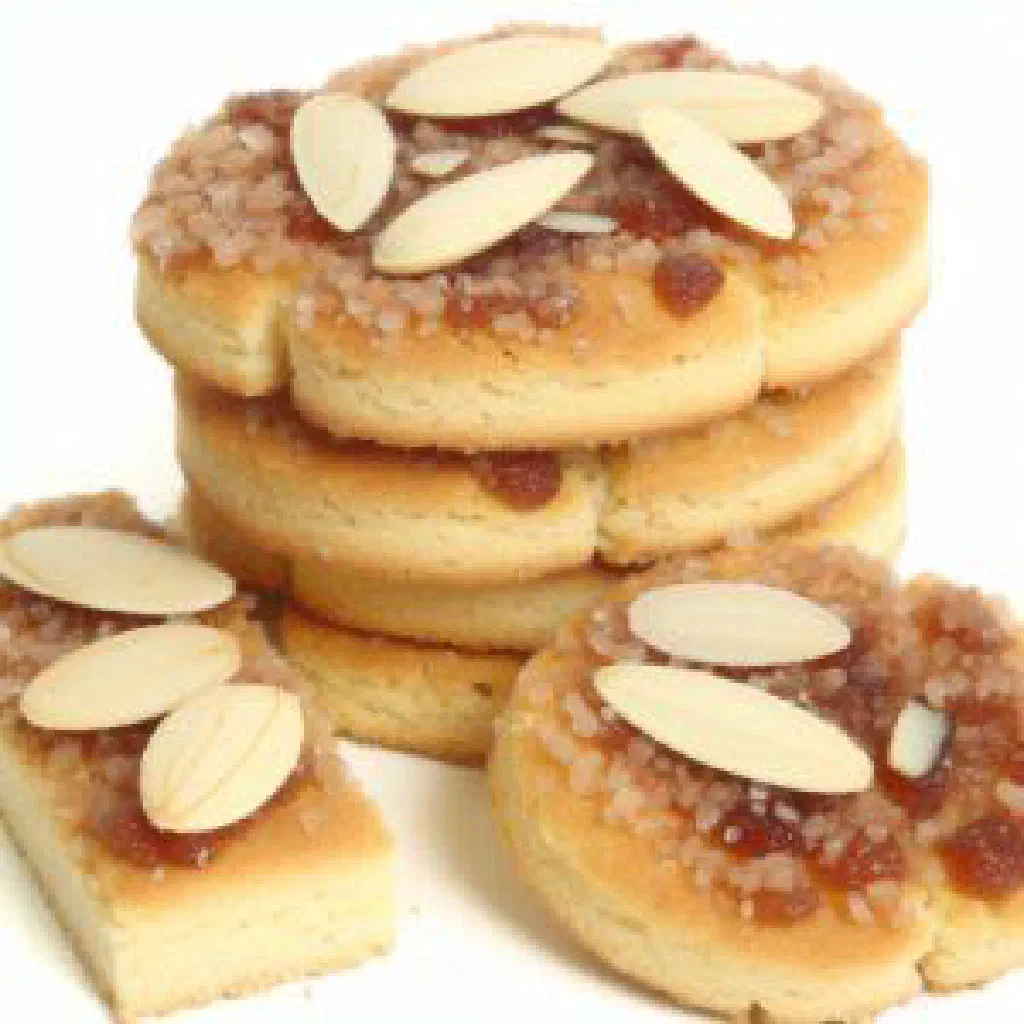
Say hello to Jan Hagel, the crisp, golden-edged biscuit that has been gracing Dutch tea tables for generations. Beneath its glossy crackle of chopped almonds and sugar lies a buttery, lightly spiced shortbread that snaps cleanly and melts on the tongue. Especially beloved around Christmas, these little squares are the kind of homely treat that pairs perfectly with a quiet cup of tea or coffee. Bring a slice of Dutch baking tradition into your own kitchen.
About Jan Hagel
Jan Hagel is a classic Dutch biscuit that is particularly popular over the Christmas period. These moreish bakes win people over with their crisp texture and unmistakable flavour. They are typically finished with a generous scattering of chopped nuts and sugar, which gives them that certain something. The sweet, nutty taste makes them a wonderful companion to a cup of tea or coffee, and the simple, honest character of the recipe is a big part of their enduring charm within Dutch baking.
Ingredients (serves 1–2)
- 200 g plain flour
- 100 g sugar
- 150 g butter
- 1 egg
- 50 g chopped almonds or walnuts
- 1 pinch of salt
- 1 tsp cinnamon (optional)
Shopping for the ingredients
For the perfect Jan Hagel, it pays to choose fresh, good-quality ingredients. Visit your favourite supermarket or a local health-food shop to pick up untreated nuts and a good flour. Take a moment to check the freshness of everything before you buy, especially the eggs and the butter, as these have a real impact on the flavour of your biscuits. You may even spot some interesting products you would like to fold into the recipe.
Preparing the dish
Before you begin baking your Jan Hagel, preheat your oven to 180 °C. This gives the biscuits an even baking temperature to work with. Prepare a baking tray by lining it with greaseproof paper so the biscuits do not stick. It is also helpful to weigh out and lay out all of your ingredients in advance, which makes the whole process run more smoothly.
Step-by-step instructions
- Beat the butter in a bowl until soft and creamy.
- Add the sugar and the egg and mix together well.
- Add the flour, the pinch of salt and the cinnamon, working everything into a smooth dough.
- Fold the chopped almonds through the dough.
- Spread the dough onto the baking tray and shape it into a thin rectangle.
- Bake in the preheated oven for about 20–25 minutes, until the edges are golden brown.
- Once baked, leave to cool, then cut into small squares.
Gluten-free / lactose-free version
If you would like to make a gluten-free or lactose-free version of Jan Hagel, a few simple swaps will do the trick. In place of wheat flour, use a gluten-free flour blend made from rice, potato or almond flour. For lactose-free biscuits, reach for a lactose-free butter or a plant-based margarine. In many cases you can also replace the egg with a plant-based egg substitute to make the biscuits vegan as well.
Tips for vegans and vegetarians
For vegans, Jan Hagel is easy to adapt by swapping the animal products for plant-based alternatives. Use vegan margarine instead of butter, and replace the egg with flaxseed or chia seeds. These adjustments do not affect the consistency of the dough and let the nuts and sugar shine through beautifully. The biscuits are also suitable for vegetarians, since the base recipe needs no ingredients of animal origin at all.
More tips and tricks
To make your Jan Hagel even more special, you can add different spices such as ginger or cloves. A simple icing-sugar glaze gives the biscuits an extra sweet touch, too. Be sure to use the right temperature and baking time so that the biscuits turn out crisp rather than too soft. Storing them in an airtight tin keeps them fresh and flavoursome for several days, much like the spiced Speculaas that fills Dutch kitchens at Christmas.
Adapting the recipe to your taste
Jan Hagel is highly adaptable and can be varied to suit your own taste. You might use other nuts such as hazelnuts or cashews, or add dried fruit like cranberries or apricots. For an extra bit of indulgence, you could fold in some chocolate chips. Experiment with different combinations until you find your personal favourite.
Ingredient substitutions
There is plenty of room for alternatives when making Jan Hagel. Instead of butter, you could use coconut oil to achieve an interesting flavour and a lighter texture. For the flour, wholemeal varieties are worth considering, lending the biscuits more nutrients and a heartier note, the same wholesome touch you might bring to a buttery Boterkoek. It is well worth varying the ingredients to create new flavour experiences.
Drink pairing ideas
Jan Hagel pairs wonderfully with a range of drinks. A cup of freshly brewed coffee or a fragrant tea heightens the pleasure of the biscuits. Alternatively, hot chocolate or mulled wine works a treat, particularly during the colder months. A glass of milk is another classic accompaniment, equally appealing to young and old alike.
Serving and presentation ideas
To serve Jan Hagel attractively, arrange them in a pretty biscuit tin or on a decorative plate. Garnish them with a few extra nuts or a dusting of icing sugar for an inviting finish. A rustic presentation on a linen cloth can create a welcoming atmosphere, while a thoughtful table setting with candles sets just the right mood for enjoying these little treats, perhaps alongside a few almond Bitterkoekjes.
A bit of history
The origins of Jan Hagel can be traced back to the 18th century. These biscuits are a firm part of Dutch baking traditions and are often served on festive occasions. The name “Jan Hagel” is thought to derive from an old Dutch name, which only underlines the cultural depth of this recipe. To this day the biscuits remain hugely popular and stand as a symbol of the warm hospitality and friendliness of Dutch cuisine.
More recipe ideas
Summary: Jan Hagel
Jan Hagel is a delicious and versatile sweet treat that is wonderfully simple to make. With just a handful of ingredients and plenty of creative options, you can tailor this traditional recipe to your own preferences. The biscuits offer an unmistakable taste experience. Give the recipe a go and savour the special pleasure of Dutch baking tradition.