National Dish Netherlands: Karnemelksepap (Recipe)

In this article
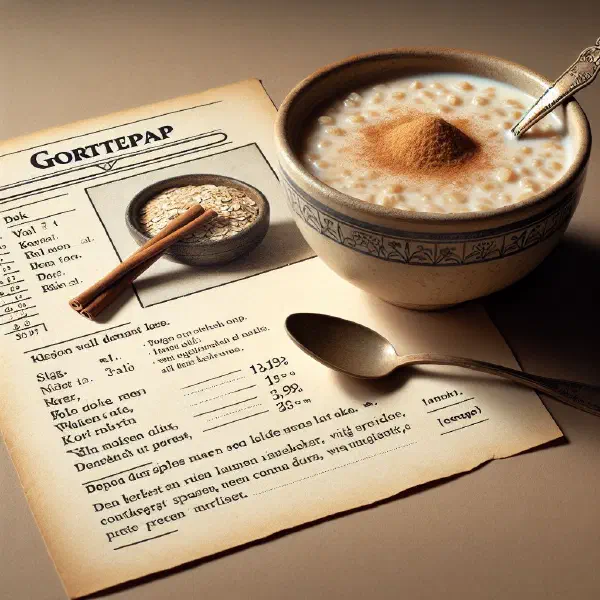
Meet Karnemelksepap, a comforting bowl of Dutch nostalgia that many in the Netherlands have loved since childhood. This gentle semolina porridge is simmered with tangy buttermilk, which gives it a wonderfully creamy texture and a refreshing edge you simply do not get from a milk-based pudding. Quick to make and endlessly cosy, it is finished with a dusting of cinnamon and sugar that turns a humble breakfast into something genuinely moreish.
About Karnemelksepap
Karnemelksepap is a traditional Dutch dish that countless people across the Netherlands know from their earliest years. It is a delicious semolina porridge prepared with buttermilk, which lends it a beautifully creamy consistency and a subtle tang. The dish is simple to make and surprises with a flavour all of its own. Finishing touches such as cinnamon and sugar make Karnemelksepap even more appealing, transforming it into a real treat for the palate and a cornerstone of homely Dutch cuisine.
Ingredients (serves 1–2)
- 250 ml buttermilk
- 50 g semolina
- 1–2 tablespoons sugar (to taste)
- 1 teaspoon cinnamon (optional)
- A pinch of salt
Shopping for the ingredients
To make Karnemelksepap you need just a handful of fresh ingredients, all of which are available in any supermarket. When buying the buttermilk, look for a sealed, well-chilled carton to guarantee the best quality. The semolina should be fine and well milled so the porridge cooks to a smooth consistency. Sugar and cinnamon are usually just as easy to find, but it is worth trying a little vanilla sugar too for an extra note of flavour.
Preparing the dish
Preparing Karnemelksepap calls for no elaborate groundwork at all. Measure out all of the ingredients precisely so you hit the perfect balance. It also helps to have your equipment ready to hand, such as a saucepan, a whisk and a serving bowl. This makes the cooking process quicker and easier, especially on those mornings when time is short.
Step-by-step instructions
- Pour the buttermilk into a saucepan and bring it to the boil over medium heat.
- Add the semolina slowly while stirring constantly, to avoid any lumps forming.
- Reduce the heat and let the mixture simmer for about 5–10 minutes, until it reaches a creamy consistency.
- Stir in the sugar and a pinch of salt, mixing well so everything is evenly combined.
- Serve the porridge warm and garnish to taste with cinnamon and sugar.
Gluten-free / lactose-free version
For anyone with a gluten or lactose intolerance there are easy alternatives that let you enjoy Karnemelksepap all the same. Instead of regular semolina, you can use gluten-free semolina or rice semolina. For a lactose-free version, simply reach for lactose-free buttermilk or plant-based alternatives such as soya or oat milk. These tweaks do not spoil the flavour and let everyone enjoy the traditional recipe.
Tips for vegans and vegetarians
A vegan version of Karnemelksepap is easy to put together. Swap the buttermilk for a plant-based milk such as almond drink or coconut milk, and use a plant-based sugar. Choosing plant milk has the added benefit of often being lower in calories, which makes it well suited to a balanced diet. You could also use maple syrup or agave nectar to add sweetness in a more natural way.
More tips and tricks
To enrich the flavour of Karnemelksepap, experiment with different aromas and toppings. A little vanilla extract can give the dish a special character. Some people also add fruit, whether fresh or dried, for more texture and taste. The porridge pairs nicely with nuts and seeds too. Ideal if you love a bit of crunch, much as you would find in a hearty bowl of Gortepap.
Adapting the recipe to your taste
The lovely thing about Karnemelksepap is its versatility. You can adjust the amount of sugar to suit your own palate, or even try other sweeteners altogether. Add spices such as cloves or nutmeg to introduce a completely different flavour direction. If you prefer something fruitier, fresh berries or banana slices make a fine garnish and instantly make the dish more interesting.
Ingredient substitutions
If you have no buttermilk to hand, you can easily make your own by mixing ordinary milk with a splash of lemon juice or vinegar and letting it stand for a few minutes. The semolina comes in several varieties, such as soft-wheat or durum-wheat semolina, depending on the consistency you want. For the sweetener you could also use coconut sugar, which has a caramel-like flavour and is a touch healthier than regular sugar. The recipe stays just as simple and tasty, in the same spirit as a creamy Rijstpap Met Kaneel.
Drink pairing ideas
To round off your breakfast of Karnemelksepap perfectly, you can serve a variety of drinks. A fresh fruit juice, such as orange or apple, complements the wholesome flavour beautifully. A good cup of coffee or black tea harmonises well too, offering a pleasant balance. If you prefer something warm, try a herbal tea, or even a soothing glass of Anijsmelk to make the meal feel that bit more special.
Serving and presentation ideas
When presenting your Karnemelksepap, pay attention to the loving little details. Serve the porridge in an attractive bowl and garnish it creatively with a pinch of cinnamon and a little sugar. Fresh berries or slices of banana can be arranged on top to bring colour and variety. A small sprig of mint as decoration also adds a fresh accent and makes the dish more appealing to the eye.
A bit of history
Karnemelksepap has its origins in rural Dutch cooking, where simple, nourishing dishes were the order of the day. Buttermilk was once a staple ingredient, and the semolina porridge offered a filling, healthy meal that was easy to prepare. Over the years this dish has grown in popularity with locals and with visitors. Its roots in farmhouse simplicity make it an authentic taste of Dutch culture, sitting comfortably alongside other old-fashioned favourites like Ontbijtpap and Watergruwel.
More recipe ideas
Summary: Karnemelksepap
In summary, Karnemelksepap is a delicious and nourishing semolina porridge that works wonderfully as a breakfast or a snack. The preparation is straightforward and the versatility of the dish allows for countless adaptations. The possibilities are endless. Let Dutch cooking inspire you and try this lovely dish in your own home.