National Dish Netherlands: Ketelkoek (Recipe)
In this article
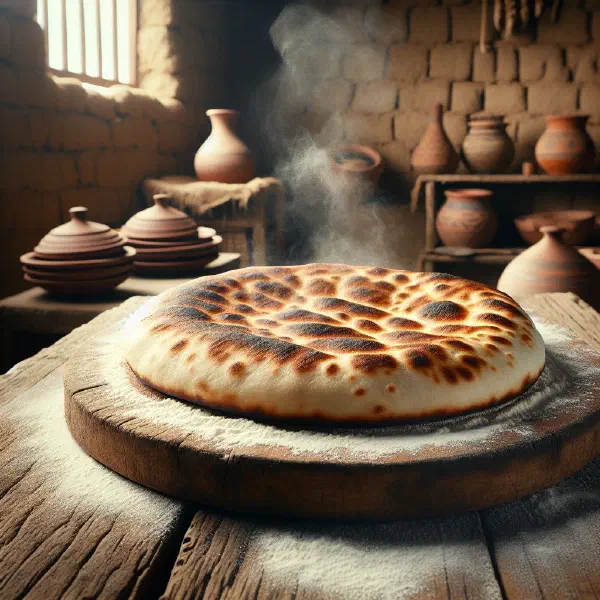
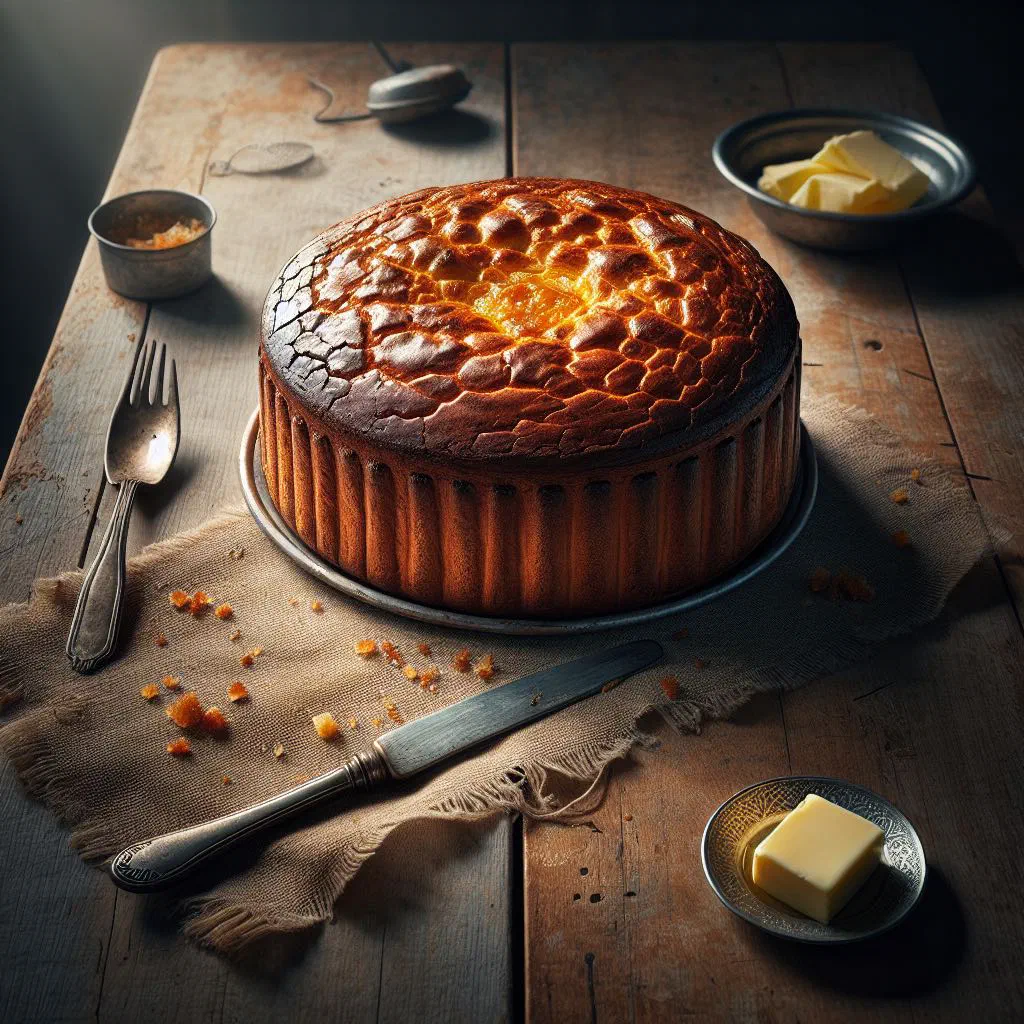
Say hello to Ketelkoek, a humble flatbread that captures the down-to-earth heart of Dutch country cooking. Made from just a handful of good ingredients, it began life as a filling snack for farmers and has stayed a firm favourite ever since. Quick to put together and endlessly adaptable, it works just as well as a relaxed nibble between meals as it does an honest side dish for a festive table. Bring a little corner of Holland into your own kitchen with this rustic classic.
About Ketelkoek
Dutch cuisine is full of varied and tasty dishes, and one of the absolute highlights is Ketelkoek. This traditional dish is simple to make and relies on just a few but good-quality ingredients. It was originally prepared by farmers as a nourishing snack to see them through the day, and it remains hugely popular to this day. Ketelkoek suits any occasion, whether as a side dish at a festive gathering or a quick bite to keep you going.
Ingredients (serves 1–2)
- 250 g flour
- 200 ml water
- 1 teaspoon salt
- 50 g butter or margarine
- 1 teaspoon baking powder
- Optional: spices of your choice (e.g. pepper, caraway)
Shopping for the ingredients
The ingredients for Ketelkoek are easy to find in most supermarkets. When shopping, look for fresh flour and good-quality butter or margarine to get the best possible result. If you have special dietary needs, you will also find plenty of gluten-free and lactose-free alternatives on the shelves. Check the baking aisle for fresh baking powder, and remember to pick out any spices to suit your taste.
Preparing the dish
Getting ready to make Ketelkoek is quick and straightforward. First, gather and prepare all your ingredients so the cooking process later runs smoothly. If you want to use any special ingredients or spices, make sure they are within reach. A well-organised work surface makes the preparation even more enjoyable and efficient.
Step-by-step instructions
- Heat a pan over medium heat, ideally a cast-iron pan.
- Combine the flour, baking powder and salt in a bowl.
- Add the butter in small pieces and rub the mixture together until it is crumbly.
- Slowly pour in the water and stir until a smooth dough forms.
- Shape small rounds from the dough and press them flat.
- Fry the flatbreads in the pan for about 5–7 minutes on each side, until golden brown.
Gluten-free / lactose-free version
To make Ketelkoek gluten-free, you can swap the wheat flour for a gluten-free flour labelled as a 1:1 replacement on the packaging. Take care to mix everything together thoroughly for an even consistency. For a lactose-free version, plant-based margarine or vegan butter works well. These alternatives keep the lovely flavour of the dish and are ideal for anyone with particular dietary needs.
Tips for vegans and vegetarians
Ketelkoek is easy to adapt for vegans by replacing the butter with a plant-based alternative. Just make sure that all your ingredients, such as any spices, are vegan too. For vegetarians there are usually no special changes needed, as long as the butter or margarine is animal-friendly. Experiment with different spices to create a range of flavours that are delicious and nourishing.
More tips and tricks
One important tip when making Ketelkoek is not to overwork the dough. Kneading for too long can make the result tough, so handle the dough only until it just holds together. You should also make sure the pan is properly hot to ensure the flatbreads brown evenly. Experiment with different cooking methods, such as the oven, to achieve different textures.
Adapting the recipe to your taste
Ketelkoek is a very flexible recipe that adapts easily to personal preference. Add herbs or spices, for example, to give the dish a special touch. For a sweet version you can stir sugar or honey into the dough. You can also finish the flatbreads with sesame or poppy seeds for extra flavour and texture.
Ingredient substitutions
If you would rather not use butter, try coconut oil or olive oil instead. For a healthier version you can use wholemeal flour in place of white flour, which gives the dish a heartier flavour, a similar wholesome touch to a slice of Ontbijtkoek. Plant-based milk alternatives such as almond or soya milk are also an excellent choice for making the dough smooth.
Drink pairing ideas
Ketelkoek goes wonderfully with a cup of Dutch coffee or a freshly brewed tea. You could also try a fruity smoothie to add a refreshing note. For special occasions, a glass of white wine or prosecco can be a lovely addition. Whichever drink you choose, the pairing will round off your tasting experience nicely.
Serving and presentation ideas
To present Ketelkoek attractively, serve the flatbreads on a large wooden board or in a rustic bowl. Add some fresh herbs or vegetable sticks alongside to bring out the colours. A pretty garnish of edible flowers can also lend the whole picture a special touch. Be sure to serve the flatbreads warm for the very best flavour.
A bit of history
Ketelkoek has its roots in rural Dutch culture, where it served as a nourishing snack for the hard work out in the fields. Preparing the dish is a tradition that has been passed down through generations, embodying the simple, down-to-earth nature of Dutch cuisine. Today Ketelkoek is appreciated in the countryside and in city restaurants that reinterpret traditional dishes. It is a dish that joins history and flavour, bringing a true piece of Holland to the table.
More recipe ideas
Summary: Ketelkoek
Ketelkoek is a delicious example of the simple yet tasty Dutch cuisine. With minimal ingredients and an uncomplicated preparation, this dish brings a touch of Holland to your table. Let this recipe inspire you and share the tradition of this classic dish with family and friends.