National Dish Netherlands: Oliebollen (Recipe)
In this article
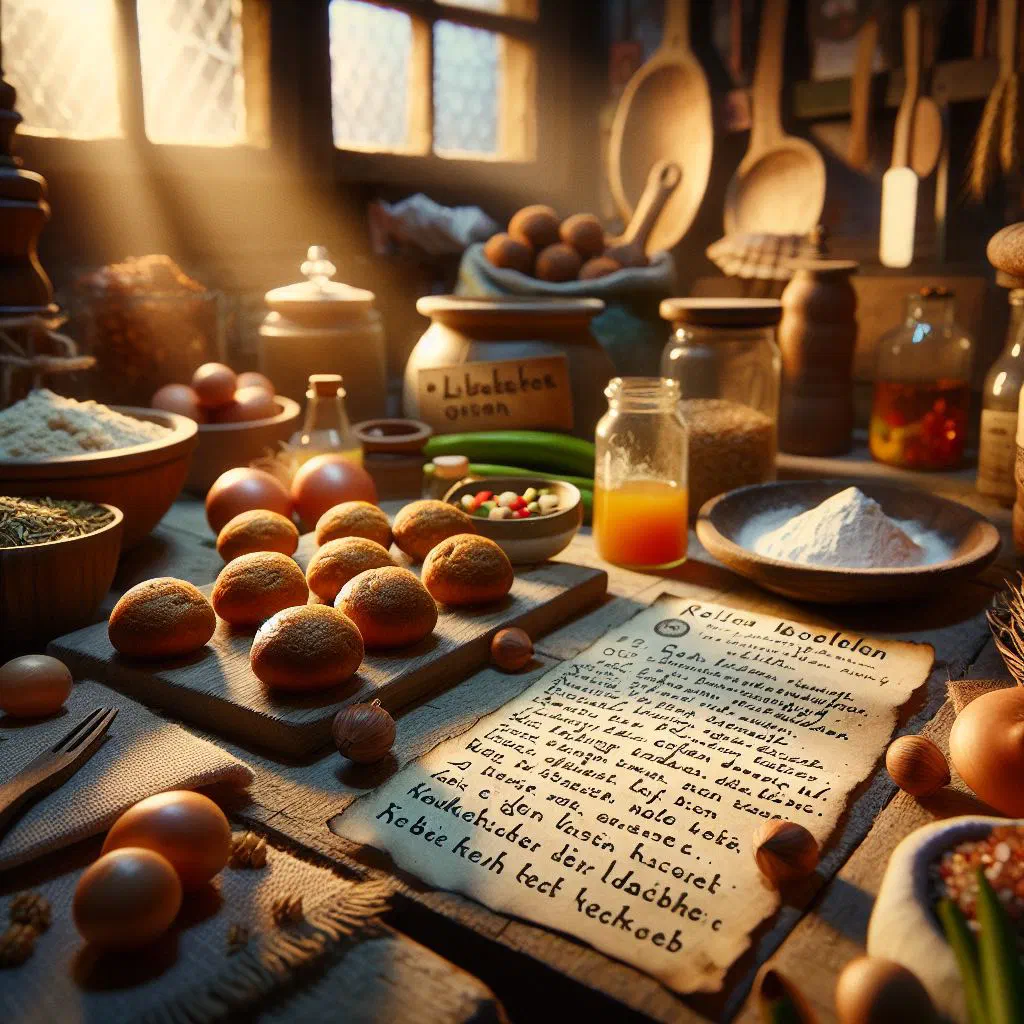
There is no more Dutch way to ring in the New Year than with a plate of warm oliebollen. These deep-fried dough balls are crisp on the outside, soft and fluffy within, and traditionally finished with a snowfall of icing sugar. Studded with apple or raisins and scented with cinnamon, they are the festive treat that turns a cold winter’s evening into something special. Bring a taste of the Dutch New Year straight into your own kitchen.
About Oliebollen
Oliebollen are a classic Dutch pastry, prepared above all around the turn of the year and on holidays. These deliciously deep-fried dough balls are crisp on the outside and beautifully soft inside. Traditionally they are served dusted with icing sugar and can be enriched with all sorts of fillings, such as apples or raisins. If you want to brighten the festive season with a special treat, oliebollen are exactly the thing. Much like other Dutch deep-fried favourites, they are wonderfully simple yet endlessly satisfying.
Ingredients (serves 1–2)
- 250 g plain flour
- 1 sachet dried yeast
- 1 tsp salt
- 30 g sugar
- 1 egg
- 200 ml milk (or plant-based milk)
- 1 apple (optional, diced)
- Oil for deep-frying
- Icing sugar for dusting
Shopping for the ingredients
To make the best oliebollen, fresh and good-quality ingredients are essential. It is well worth buying your flour and yeast from a local mill or a well-stocked supermarket. When it comes to the milk, you can just as easily reach for a plant-based alternative if you would rather avoid lactose. And don’t forget to pick out fresh, crisp apples if you plan to use them as a filling.
Preparing the dish
Before you begin, it helps to gather and weigh out all your ingredients. That way everything is to hand and the cooking process can run smoothly. If you would like to try out different variations, you can prepare several fillings at once, such as raisins or nuts. Good preparation is the key to truly delicious oliebollen.
Step-by-step instructions
- In a large bowl, combine the flour, the dried yeast, the salt and the sugar.
- Add the egg and the milk and mix everything well until you have a smooth batter.
- If you like, fold the diced apple through the batter.
- Cover the batter and leave it to prove in a warm place for about 45 minutes.
- Heat the oil in a deep pan and drop in small portions of batter with a tablespoon.
- Fry the oliebollen until golden brown, then drain them on kitchen paper.
- Before serving, dust generously with icing sugar.
Gluten-free / lactose-free version
To make oliebollen gluten-free, you can use a gluten-free flour blend suitable for cakes. Make sure the yeast you use is gluten-free as well. For lactose-free oliebollen, simply swap in lactose-free milk or choose a plant-based alternative such as oat milk or almond milk. With these adjustments, the delicious flavour is fully preserved.
Tips for vegans and vegetarians
To make oliebollen suitable for vegans, you can replace the egg with 1 tablespoon of flaxseed meal soaked in 2 tablespoons of water, which gives a similar binding effect. Instead of milk, use whichever plant-based milk you prefer. If you like, add extra ingredients such as almonds or cinnamon to make your oliebollen even more aromatic. That way every bite becomes a treat.
More tips and tricks
To get your oliebollen just right, make sure the oil is hot enough before you add the portions of batter. If the oil is not warm enough, the oliebollen turn greasy and may not crisp up. You can test the temperature by dropping in a small piece of batter, if it rises straight to the surface, the oil is ready. The batter should not be too thick either; a smooth, round consistency ensures even frying.
Adapting the recipe to your taste
Have a look at the many ways you can vary your oliebollen. Depending on your own taste, you can add extra spices or flavourings to the batter, such as vanilla or orange zest. The fillings, too, can be tailored to your preferences: raisins, chocolate chips or even chopped nuts can be folded through the batter. Let your creativity run free, just as you would when making sweet Poffertjes.
Ingredient substitutions
If you don’t have yeast to hand, you can use baking powder to create something slightly different, though the texture will not be the same. You could also swap the sugar for honey or another sweetener to give the oliebollen a special note. For a healthier version, wholemeal or spelt flour is a good choice. Experiment and find the perfect combination that suits your palate best, the same spirit of variation found in classic Appelbeignets.
Drink pairing ideas
Oliebollen pair beautifully with a range of drinks. Traditionally they are often served with a warm glass of mulled wine or a cup of hot chocolate, especially on cold days. For an alcohol-free alternative, a spiced fruit tea or a glass of fresh apple juice works wonderfully. These drinks marry well with the sweetness of the oliebollen.
Serving and presentation ideas
The presentation of your oliebollen can make all the difference to the experience. Arrange them on an attractive plate and dust them generously with icing sugar to give them a festive look. You can also use fresh mint leaves or a few berries as a garnish to decorate the plate. After all, we eat with our eyes first, and a pretty plate builds the anticipation of the treat to come.
A bit of history
Oliebollen have a long tradition and originally date back to the 18th century. In times gone by they were a simple, filling food for the cold winter months. The story goes that people prepared them to celebrate the New Year, as a symbol of luck and prosperity. These delicious dough balls have since become an inseparable part of Dutch culture and remain hugely popular, a true cornerstone of Dutch cuisine.
More recipe ideas
Summary: Oliebollen
All in all, oliebollen are a delicious and easy-to-make treat that is both festive and traditional. With so many variations and adaptations, the possibilities are almost limitless. They are a guaranteed source of pleasure and joy. Give the recipe a try and treat yourself to this delicious slice of Dutch culture.