National Dish Netherlands: Oranjekoek (Recipe)
In this article
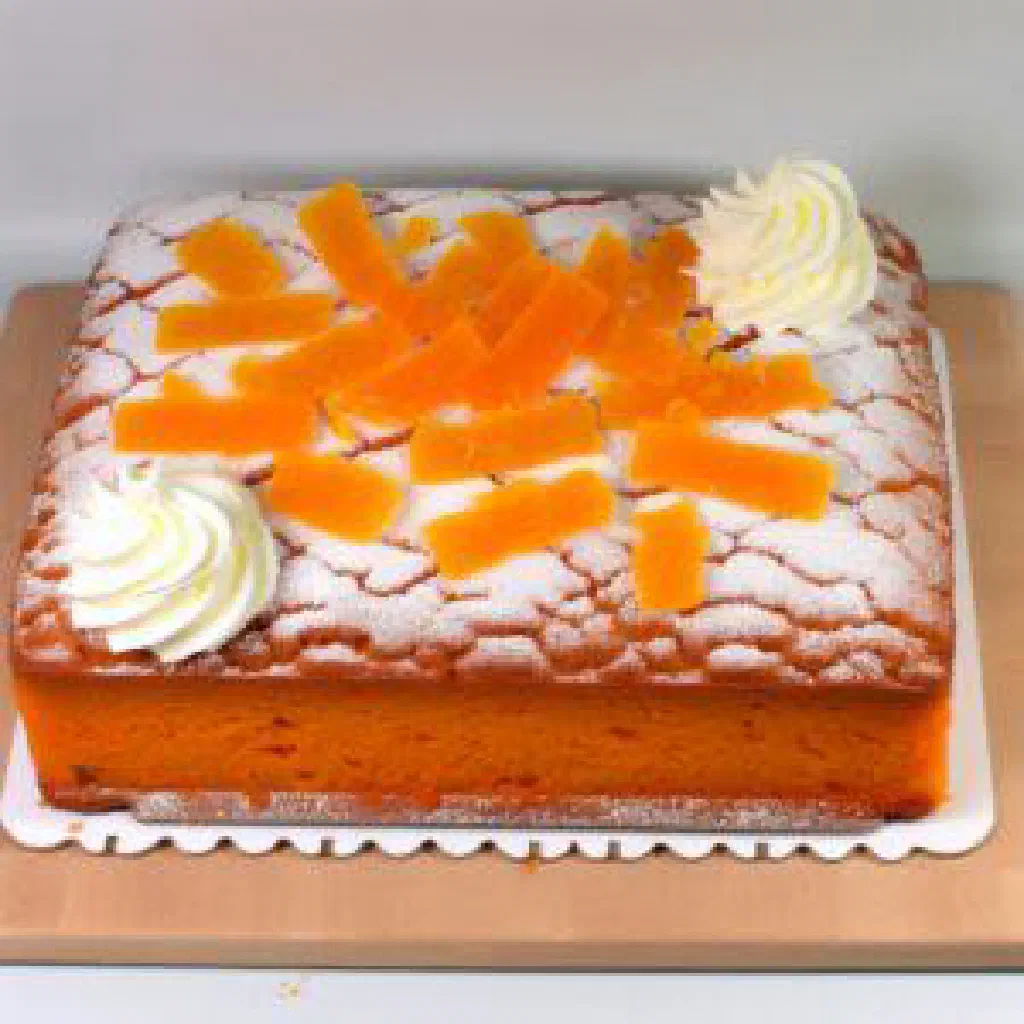
Meet Oranjekoek, a cheerful slice of Dutch baking tradition that brings a splash of royal colour to any table. With its striking orange hue and sweet, fruity filling, this orange cake is as much a feast for the eyes as it is for the palate. Created in honour of the House of Orange, it has long graced celebrations and quiet afternoon teas alike. Tender, buttery and unmistakably festive, it is the perfect bake whenever you fancy a little occasion of your own.
About Oranjekoek
Oranjekoek is a traditional Dutch dessert that tastes wonderful and carries a fascinating history. Originally created to honour the royal family, the cake is often served at celebrations and special occasions. Its eye-catching orange colour echoes the national colour of the Netherlands, a nod to the country’s beloved House of Orange. With a combination of tender sponge and a sweet, fruity filling, it is a real treat for the senses and a familiar sight at festive Dutch gatherings.
Ingredients (serves 1–2)
- 250 g plain flour
- 150 g sugar
- 125 g butter
- 2 eggs
- 1 tsp baking powder
- 1 pinch of salt
- Orange food colouring
- Orange marmalade (for the filling)
- Vanilla sugar (optional, for extra flavour)
Shopping for the ingredients
Before you start making Oranjekoek, it is worth buying all the ingredients you need in one go. This makes the baking process much smoother and ensures nothing essential is missing. Choose good-quality ingredients wherever you can, especially the butter and the eggs, as these have a big impact on the flavour of the cake. Fresh orange marmalade lends an intense aroma and rounds off the whole bake beautifully.
Preparing the dish
A little careful preparation goes a long way towards the perfect texture and flavour of your Oranjekoek. Start by preheating the oven to 180°C so it has reached the right temperature by the time the batter is ready. While it warms up, cream the butter with the sugar until pale and fluffy, then add the eggs one at a time. These steps help to make the batter wonderfully light and airy, which in turn gives you an especially tender cake.
Step-by-step instructions
- Combine the flour, baking powder and salt in a bowl.
- In a separate bowl, beat the butter and sugar together until creamy.
- Add the eggs to the butter-and-sugar mixture one at a time, mixing well after each.
- Gradually fold the dry ingredients into the wet ingredients.
- Stir in the food colouring until you reach the desired orange shade.
- Spread half of the batter evenly into a greased tin.
- Spoon a layer of orange marmalade over the batter.
- Spread the remaining batter on top and smooth it level.
- Bake in the preheated oven for 25 to 30 minutes, until golden brown.
- Remove from the oven and leave to cool before slicing.
Gluten-free / lactose-free version
For a gluten-free and lactose-free Oranjekoek, you can use a special flour blend based on rice and potato starch. These are widely available in supermarkets and let you achieve a similar flavour and texture. In place of butter, reach for lactose-free margarine or a plant-based alternative. Take care to adjust the quantities accordingly so the cake keeps the right consistency and still bakes up beautifully tender.
Tips for vegans and vegetarians
For a vegan Oranjekoek, you can replace the eggs with apple purée, mashed banana or a dedicated egg substitute. These alternatives add moisture and sweetness to the batter without using any animal products. Use vegan butter or coconut oil to get the right texture, and check that the marmalade you choose is vegan too. With these simple swaps, the cake suits every kind of diet while keeping all of its fruity charm.
More tips and tricks
A key part of making Oranjekoek well is getting the timing right in the oven. Keep a close eye on the cake to avoid over-baking, as it can otherwise turn out dry. It is worth checking a few minutes before the end of the baking time to make sure it is perfectly cooked through. Once the cake has cooled, you can dust it with a little icing sugar to give it a pretty finishing touch.
Adapting the recipe to your taste
Oranjekoek is easy to tailor to personal preference. For a more intense flavour, stir some grated orange zest into the batter. To add a little extra texture, fold in chopped nuts such as almonds or walnuts. You can also experiment with different kinds of marmalade to find creative new combinations. Tweaks like these make the recipe your own and keep it endlessly varied, so there is a version for everyone to love.
Ingredient substitutions
Sometimes a particular ingredient simply is not to hand. Instead of orange marmalade, you can use other fruit spreads such as raspberry or apricot, much like the fruity layers in a slice of Appeltaart. Sunflower oil can stand in for butter, though you may need to adjust the quantities. Honey or agave syrup also work in place of sugar if you would like a different kind of sweetness.
Drink pairing ideas
Oranjekoek pairs wonderfully with a range of drinks. A cup of freshly brewed coffee or an aromatic tea are classic companions that set off the sweetness of the cake perfectly. Alternatively, serve a fruity orange or apple juice to play up its citrus notes. For special occasions, a glass of sparkling wine makes a fitting addition to the table, much as you might offer alongside crisp Stroopwafels.
Serving and presentation ideas
A lovely cake deserves an inviting presentation. Serve the Oranjekoek on a decorative plate and garnish it with fresh fruit or a dusting of icing sugar. A few edible flowers can add a pretty touch as well. Remember to cut the cake into even slices for a clean, appealing look, just as you would when plating a delicate Tompoes.
A bit of history
Oranjekoek has its roots in Dutch culture and is closely tied to the royal family. The name “Oranje” refers to the House of Orange-Nassau, which plays a significant role in the Netherlands. Traditionally the cake was served at festivals and rural celebrations, and its popularity has endured over the years. Many families have their own recipe, passed down through the generations and treasured as a small piece of Dutch heritage. It remains a proud emblem of Netherlands cuisine.
More recipe ideas
Summary: Oranjekoek
Oranjekoek is a delicious and traditional Dutch dessert, rich in both flavour and history. This cake is always a hit. With a few simple adjustments it can be adapted to suit different dietary needs, making it even more versatile. Let its bright colour and fruity charm inspire you, and enjoy this wonderful slice of Dutch baking.