National Dish Netherlands: Pork Tenderloin (Recipe)
In this article
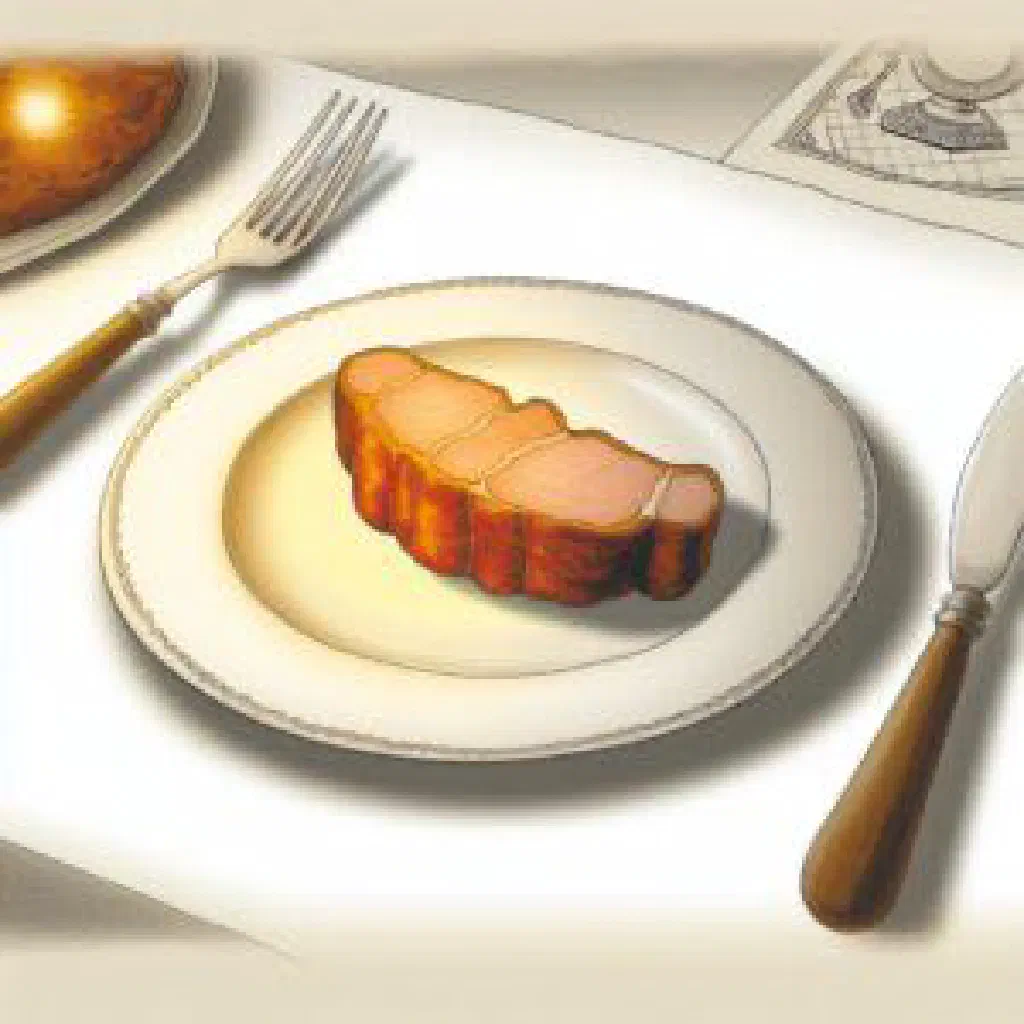
Discover the Dutch classic pork tenderloin, known at home as varkenshaas. This elegant dish takes the most tender cut of the pig and gilds it with garlic, paprika and a handful of fresh herbs until it is golden outside and meltingly juicy within. It is the kind of meal that feels special enough for a celebration yet comes together with surprising ease. Proof that a few good ingredients, handled with care, are all you need to bring a little taste of the Netherlands to your own table.
About Pork Tenderloin
Dutch pork tenderloin is a culinary highlight that appeals to many a discerning eater. It is the tender fillet from the pig, prized for its soft texture and rich, savoury flavour. The dish lends itself beautifully to festive occasions or simply to a delicious midweek dinner. With the right ingredients and a little careful cooking, you can bring this traditional dish straight into your own home. Like much of Dutch cuisine, it leans on honest, good-quality produce rather than fuss.
Ingredients (serves 1–2)
- 500 g pork tenderloin (pork fillet)
- 2 tablespoons olive oil
- 1 onion, finely chopped
- 2 cloves of garlic, crushed
- 1 teaspoon paprika
- Salt and pepper, to taste
- Fresh herbs such as thyme or rosemary
Shopping for the ingredients
When shopping for the ingredients for pork tenderloin, it is worth choosing good-quality meat. Pay a visit to a local butcher who can offer you fresh pork fillet. Picking out fresh herbs and vegetables also adds to the quality of the dish and makes for a far better eating experience. Where you can, reach for seasonal and regional produce to get the most out of the flavour.
Preparing the dish
Before you start cooking the pork tenderloin, a little good preparation makes all the difference. Make sure all your ingredients are to hand, thoroughly washed and ready to go. Cut the meat into even pieces so it cooks through uniformly. You can also dice the onion and garlic in advance to save yourself time once the cooking is under way.
Step-by-step instructions
- Heat the olive oil in a large pan over a medium heat.
- Add the onion and fry until it turns translucent.
- Stir in the garlic and paprika and let them cook briefly.
- Add the pork tenderloin and sear it golden brown on all sides.
- Season the pieces with salt and pepper and add the fresh herbs.
- Lower the heat and let the meat cook for around 10–15 minutes, until tender and juicy.
- Take the pork tenderloin out of the pan and let it rest for a few minutes before slicing and serving.
Gluten-free / lactose-free version
Making a gluten-free or lactose-free pork tenderloin is wonderfully straightforward. The recipe uses none of the usual gluten-containing ingredients such as flour or breadcrumbs. Even so, do check that any spices you use are gluten-free. For a lactose-free version, simply reach for olive oil instead of butter and make sure your side dishes are lactose-free too.
Tips for vegans and vegetarians
Although pork tenderloin is a meat dish, there are easy ways to create vegan or vegetarian alternatives. You could try a similar recipe using plant-based proteins such as tofu or seitan. Marinate the plant-based protein much as you would the meat, then sear it in the pan. Alternatively, prepare vegetable dishes that use the same spices and aromas to deliver an equally flavourful result.
More tips and tricks
A few extra tips and tricks can take your pork tenderloin to the next level. Always let the meat come up to room temperature before cooking, so it cooks evenly throughout. Overly long cooking times can dry the meat out, so keep a close eye on the temperature. Use a meat thermometer to make sure the meat is perfectly cooked and has reached an internal temperature of 65 degrees Celsius.
Adapting the recipe to your taste
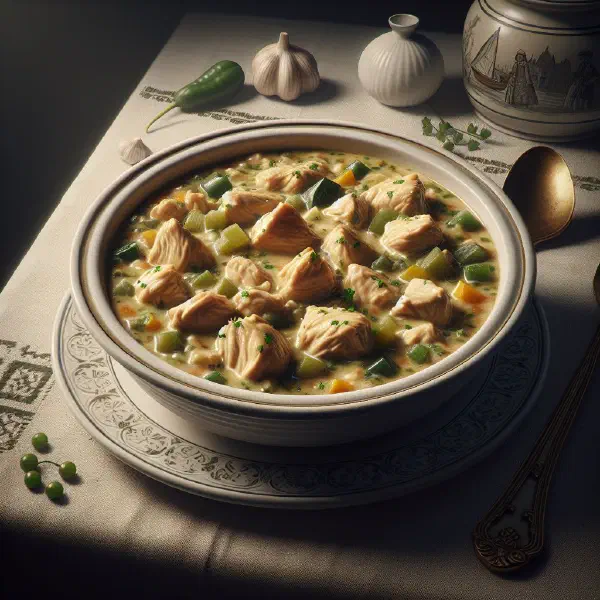
Adapting the recipe to your personal taste could not be easier. Experiment with different spices to give your pork tenderloin a character all of its own. You can also make bolder changes, such as adding fruit like apples or apricots for a touch of sweetness. Let your imagination run free and shape the dish exactly to your liking. A rich gravy in the style of Hachee makes a lovely companion if you fancy something heartier.
Ingredient substitutions
Sometimes not every ingredient is immediately to hand. In cases like these, you can turn to substitutions. Fresh herbs, for example, can be swapped for dried ones, though you should adjust the quantity accordingly. If you have no paprika, smoked paprika or even a touch of curry powder makes for an interesting alternative. Be creative and adapt the recipe to whatever you have available, much as you would when building a slow-cooked Hollands Stoofvlees.
Drink pairing ideas
A range of drinks pairs beautifully with a delicious pork tenderloin. A dry white wine or a fruity rosé offers a refreshing complement to the dish. If you would rather skip the alcohol, homemade lemonade or a fresh herbal tea work very well too. A light beer is another good match, harmonising nicely and rounding off the whole experience. For something distinctly Dutch to finish, a glass of Advocaat makes a charming after-dinner treat.
Serving and presentation ideas
The presentation of the dish does a great deal to make a meal feel special. Serve the pork tenderloin on a rustic wooden board and garnish it with fresh herbs. Pair it with brightly arranged vegetables or a crisp salad to add visual interest. An inviting presentation will pleasure your guests and build the anticipation before the very first bite. Crisp Aardappelkroketten on the side complete the plate beautifully.
A bit of history
Pork tenderloin has an interesting history within Dutch cooking. Traditionally it is served as a celebration meal and counts as a much-loved part of family gatherings. In recent years the dish has gained popularity in other countries too, driven in no small part by the growing demand for high-quality pork. It is a symbol of hospitality and good eating in Dutch culture.
More recipe ideas
Summary: Pork Tenderloin
In short, Dutch pork tenderloin is a tasty and elegant dish that is easy to prepare. With fresh ingredients and a few simple steps, you can create a delicious meal that will please family and friends alike. Let its many possibilities inspire you, and discover new variations on this classic. Enjoy the cooking, and the good company that gathers around the table to share it.