National Dish Netherlands: Rabarbermoes (Recipe)
In this article
Meet Rabarbermoes, a much-loved Dutch dessert that turns a few stalks of fresh rhubarb into something quietly magical. Sweet, tart and gently fragrant with vanilla, this traditional stewed rhubarb compote has been passed down through generations of Dutch families. It comes into its own in the warmer months, when rhubarb is at its freshest, and is just as lovely spooned straight from the bowl as it is served alongside cake or pudding.
About Rabarbermoes
Rabarbermoes is a traditional Dutch dish made from fresh rhubarb and prized for its distinctive flavour. The interplay of sweet and sour is what makes this rhubarb compote such a perfect dessert, and it has inspired countless family recipes over the years. It is especially popular during the warmer months, when rhubarb can be harvested at its peak. Enjoy Rabarbermoes on its own or as an accompaniment to cake and pudding, the possibilities are wonderfully varied.
Ingredients (serves 1–2)
- 250 g fresh rhubarb
- 100 g sugar
- 1 vanilla pod
- 1/2 lemon (juice and zest)
- 150 ml water
Shopping for the ingredients
When gathering the ingredients for Rabarbermoes, pay attention to the freshness of the rhubarb. It is best bought from a good greengrocer or at the weekly farmers’ market. Look for stalks that are firm and juicy, with no brown patches or signs of rot. The other ingredients, such as sugar and vanilla, are easy to find in any supermarket.
Preparing the dish
Before you start cooking, cut the rhubarb into small pieces. This helps to shorten the cooking time and gives you a more even consistency. Be sure to split the vanilla pod lengthways and scrape out the seeds, which lend the Rabarbermoes a wonderfully aromatic depth of flavour. You will also need a saucepan and a suitable sieve for straining.
Step-by-step instructions
- Cut the rhubarb into small pieces and tip it into a saucepan.
- Add the sugar, the scraped-out vanilla pod, the lemon juice and the water.
- Bring everything to the boil over medium heat and let it simmer for about 10 minutes.
- Once the rhubarb has softened, take the pan off the heat and leave the mixture to cool.
- Strain and spoon the rhubarb compote into a container — and it is ready to serve.
Gluten-free / lactose-free version
Rabarbermoes is naturally gluten-free and lactose-free, as it contains neither cereal products nor milk. These qualities make it an excellent choice for anyone with intolerances. You can enjoy the recipe with a clear conscience, without needing to make any special adjustments. That makes Rabarbermoes an ideal dessert for everyone, a quality it shares with the airy Haagse Bluf.
Tips for vegans and vegetarians
Rabarbermoes is suitable for vegans too, since every ingredient used is plant-based. To be completely sure there are no animal products involved, choose a sugar that is refined and vegan. You could also swap the regular sugar for agave syrup or coconut blossom sugar to achieve a slightly different kind of sweetness. That way even vegans can enjoy this delicious dessert.
More tips and tricks
To refine your Rabarbermoes even further, you can add other spices such as cinnamon or ginger while it cooks. These bring extra aroma and give the dish a special character. Experiment with the amount of sugar as well, particularly if you prefer a less sweet version. A splash of orange juice can also enrich the flavour beautifully.
Adapting the recipe to your taste
Rabarbermoes lends itself wonderfully to personal preference. Add berries or other fruit, for example, to shift the flavour in whatever direction you fancy. You can also vary the texture by cooking the rhubarb for longer or simply blanching it briefly, depending on whether you like it chunky or smooth. Little tweaks like these make the dish all the more interesting.
Ingredient substitutions
If you do not have a vanilla pod to hand, you can use vanilla extract or vanilla sugar to keep that classic vanilla note. In place of sugar, honey or maple syrup will also do the sweetening and give the Rabarbermoes an interesting twist, much as a touch of brandy lifts the fruity Boerenjongens. Swaps like these let you create a tasty, natural version of this traditional dish.
Drink pairing ideas
Refreshing drinks such as an ice-cold iced tea or a homemade lemonade pair beautifully with Rabarbermoes. They complement the sweet-and-sour character of the dessert and round off a meal perfectly. A glass of sparkling wine or prosecco can add a festive touch and make your dessert feel even more special. Play with the flavours to create a well-balanced finish.
Serving and presentation ideas
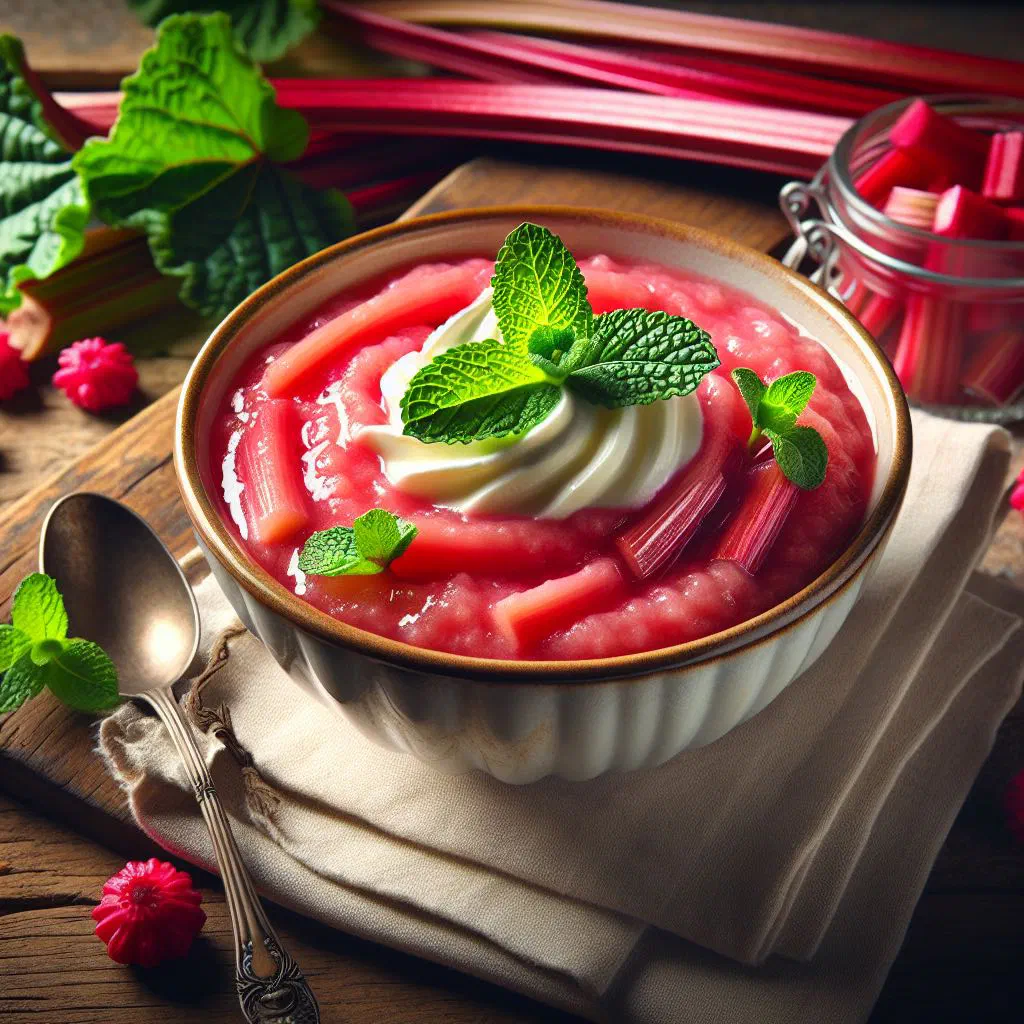
To present Rabarbermoes attractively, serve it in pretty glasses or bowls. Garnish the dessert with fresh mint leaves or a little whipped cream to create an inviting picture. Colourful berries or a dusting of cinnamon can also be used for decoration. A thoughtful presentation does a great deal to heighten the whole tasting experience.
A bit of history
Rabarbermoes has a long history in Dutch cuisine and reflects the tradition of cooking with seasonal ingredients. Rhubarb has been cultivated in Europe since the Middle Ages and soon found its way into a variety of desserts. As a symbol of spring and of nature coming back to life, rhubarb often featured at festive occasions and in family dishes. This heritage and tradition make Rabarbermoes a special part of Dutch food culture, alongside classics like Appeltaart.
More recipe ideas
Summary: Rabarbermoes
Rabarbermoes is a simple and flavourful dessert that suits a great many occasions. With just a handful of ingredients and only a few steps, you can conjure up a good dish that can be served on its own or as an accompaniment to cake and pudding. Whether dressed up with seasonal fruit or enjoyed as a dessert in its own right, the versatility and tradition of Rabarbermoes make it a real highlight in the kitchen. Let its special flavour win you over.