National Dish Netherlands: Salmon (Recipe)
In this article
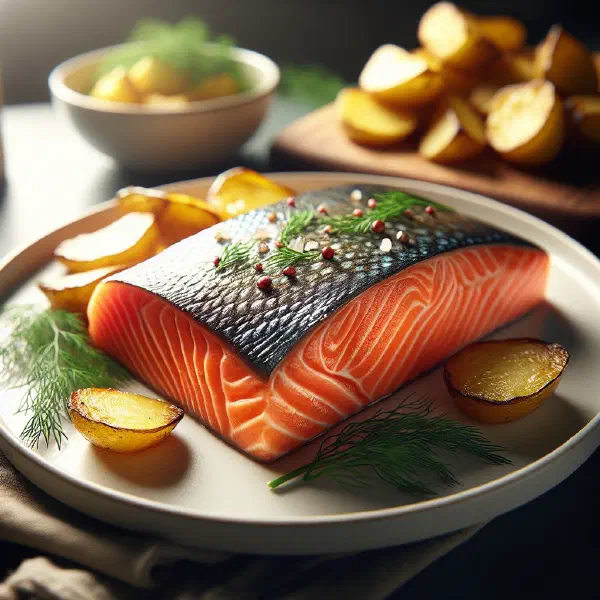
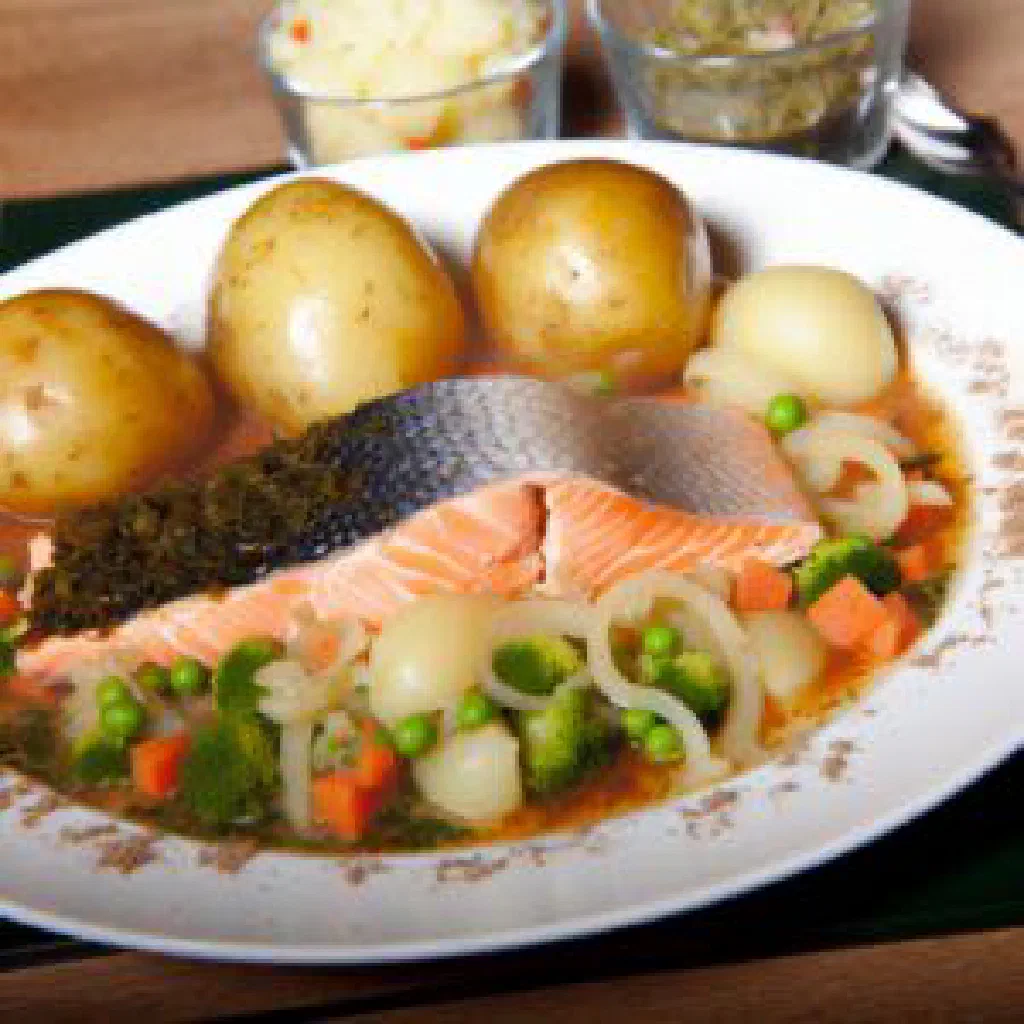
The Netherlands is famous for its windmills and waterways, but its kitchens hide a real treat for seafood lovers: salmon, known locally as zalm. Tender fillets cooked with fresh herbs capture the bright, maritime flavours the Dutch hold so dear. Whether pan-fried, grilled or cured as silky rookzalm, this is an elegant yet wonderfully simple dish that turns an everyday dinner into something memorable.
About Salmon
Salmon is a much-loved fixture of Dutch cooking, prized for its delicate flavour and the endless ways it can be prepared. The country’s cool North Sea waters made fish a natural staple, and the result is a dish that feels both refined and reassuringly homely. Cooked simply with olive oil, lemon and fresh dill, or transformed into smoked rookzalm, salmon embodies the fresh, sea-tinged character that runs through so much of the cuisine. It is a recipe that rewards good ingredients and a light touch.
Ingredients (serves 1–2)
- 2 salmon fillets (approx. 150 g each)
- 1 tablespoon olive oil
- 1 lemon, sliced
- 1 teaspoon fresh dill, chopped
- Salt and pepper, to taste
Shopping for the ingredients
When shopping for salmon, quality is everything. Fresh salmon should have a vivid, glossy colour and a clean, pleasant smell, steer clear of fillets with brown patches or any off odour. Many supermarkets now stock sustainably sourced fish, which is kinder to both the environment and your wellbeing. Pick up the remaining ingredients, such as olive oil, lemons and fresh dill, from the fruit and vegetable aisle to make sure everything is at its freshest.
Preparing the dish
Decide whether you would like to marinate the salmon first; a simple blend of olive oil, lemon juice, dill, salt and pepper works beautifully. Once coated, let the fish rest in the fridge for at least 30 minutes so the flavours have time to develop and soak in. These small steps have a big impact on the final taste and texture of the dish.
Step-by-step instructions
- Season the salmon lightly with salt and pepper.
- Heat the olive oil in a pan and fry the salmon over medium heat for about 4–5 minutes on each side.
- Add the lemon slices in the final minute of cooking to lend an extra layer of aroma.
- Garnish with fresh dill and serve straight away.
Gluten-free / lactose-free version
Salmon is a natural fit for a gluten-free and lactose-free diet, since the heart of the dish is nothing more than fish and fresh herbs. Just double-check that any extras, such as marinades or side dishes, are also free from gluten and lactose. It is a simple, healthy meal that asks for no compromise on flavour or nutrition, making salmon a valuable choice for anyone with particular dietary needs.
Tips for vegans and vegetarians
Although salmon is a fish dish, there are plant-based alternatives that vegans and vegetarians can enjoy. Consider using tofu or seitan, which take on plenty of flavour depending on your marinade. Many pre-seasoned versions even mimic the taste of salmon while offering a protein-rich option. Experiment with different herbs to land on exactly the flavour you are after.
More tips and tricks
A few simple tips can make this dish even more delicious. Marinating the salmon in a mix of soy sauce, honey and ginger gives it a distinctive Asian note that is hard to resist. You can also cook the fish on a grill to add a gentle, smoky aroma. Timing matters too, salmon should be served juicy and just cooked through, never dried out.
Adapting the recipe to your taste
The joy of salmon is how easily it bends to personal taste. If you like a bit of heat, work some chilli or paprika into the marinade. More adventurous cooks might reach for exotic spices such as turmeric or cumin.
Ingredient substitutions
There is always room to try substitutions. If you have no fresh dill to hand, herbs such as parsley or tarragon step in nicely. Swap the olive oil for coconut oil to give the fish a different character, much like the gentle richness you might find alongside a Kabeljauw met Mosterdsaus. For a fruitier twist, orange or lime works well in place of lemon.
Drink pairing ideas
The right drink rounds off the whole experience. A crisp, dry white wine such as a Sauvignon Blanc or Pinot Grigio pairs wonderfully with salmon. If you prefer something alcohol-free, try a sparkling water with lemon or a refreshing iced tea. These choices help lift the flavours of the dish and make a lovely accompaniment.
Serving and presentation ideas
Presentation is key to a successful meal. Serve the salmon on a colourful plate, garnished with fresh herbs and lemon slices for instant appeal. A little fresh vegetable or a crisp salad on the side adds both colour and extra nutrients, much as a bowl of Zeeuwse Mosselen brings the sea to the table. Wooden boards or rustic platters create an inviting, relaxed atmosphere.
A bit of history
Salmon has a long history in Dutch cooking. In the cool waters of the North Sea, the fish was traditionally an important source of food, and smoking it allowed people to create longer-keeping versions that remain popular to this day. The dish is more than culinary heritage; it is part of Dutch identity, symbolising a deep connection to the water and a cultural love of fresh, locally caught produce, a thread that runs through all of Dutch cuisine, from herring to fried fish.
More recipe ideas
Summary: Salmon
In short, salmon is not only a dish that tastes wonderful but one that offers countless adaptations and variations. With fresh ingredients and a pinch of creativity, you can create a truly distinctive culinary experience. Preparing salmon is quick and straightforward. Treat yourself to this delicacy and dive into the fresh, maritime flavours of Dutch cooking.