National Dish Netherlands: Spitskoolstamppot (Recipe)

In this article
There is nothing quite like a steaming bowl of Spitskoolstamppot when the weather turns cold and you crave something warm and comforting. This traditional Dutch mash brings together tender pointed cabbage and creamy potatoes, gently seasoned to create a dish that tastes of home. Simple, honest and deeply satisfying, it is a wonderful introduction to the cosy, no-fuss heart of the Dutch kitchen.
About Spitskoolstamppot
Spitskoolstamppot is a traditional Dutch dish built around a hearty combination of pointed cabbage, potatoes and a handful of aromatic seasonings. It is especially popular during the cooler months, when temperatures drop and people long for something warm and soothing. More than just a meal, it offers an exciting blend of flavours that evokes a real sense of home and comfort. With its simple yet delicious ingredients, Spitskoolstamppot is a fine example of the warm, generous spirit of Dutch cooking.
Ingredients (serves 1–2)
- 500 g pointed cabbage
- 400 g potatoes
- 1 onion
- 2 tablespoons butter or oil
- Salt and pepper, to taste
- Nutmeg (optional)
Shopping for the ingredients
When shopping for Spitskoolstamppot, it pays to pay attention to the quality of the ingredients, especially the pointed cabbage. Choose cabbage that is fresh and crisp, with no brown patches or blemishes. The potatoes should be firm and free of sprouts, as this has a real impact on the texture of the finished dish. Local markets and organic shops usually offer the freshest produce, and that freshness shines through in the flavour.
Preparing the dish
To begin preparing Spitskoolstamppot, wash all the vegetables thoroughly first. Cut the pointed cabbage into fine strips so it cooks through more quickly. Peel the potatoes and chop them into even pieces to ensure they cook at the same rate. The onion should be diced small as well, so it distributes nicely throughout the finished mash.
Step-by-step instructions
- Bring the potatoes to the boil in a large pan of salted water.
- After about 10 minutes, add the shredded pointed cabbage and the onion, and cook everything together until the potatoes are soft.
- Once the vegetables are tender, drain off the water and return the vegetables to the pan.
- Add the butter or oil and mash everything together until you reach the consistency you like.
- Season with salt, pepper and nutmeg, then stir well to combine.
Gluten-free / lactose-free version
For anyone wishing to avoid gluten or lactose, Spitskoolstamppot adapts beautifully. Simply use plant-based butter or oil in place of regular butter for a lactose-free version. The dish is naturally gluten-free, as long as no extra gluten-containing ingredients are added. Always check the labels if you plan to add ready-made stocks or sauces.
Tips for vegans and vegetarians
Vegans can enjoy this dish with ease simply by swapping animal fats for plant-based alternatives. Olive oil or coconut oil work wonderfully in place of butter. Adding spices such as caraway or paprika can deepen the flavour further and lend an interesting twist. Vegetarians can prepare the dish in much the same way, finishing it with a little cheese if they like.
More tips and tricks
Experiment with different seasonings to discover new flavours, a combination of hot paprika and garlic, for instance, can give the mash an intriguing edge. Using vegetable stock instead of water to cook the potatoes is another simple trick that boosts the overall aroma. For more cold-weather comfort, try the closely related Knolselderij Stamppot.
Adapting the recipe to your taste
Spitskoolstamppot is so well loved precisely because it lends itself to personal preference. You can add extra vegetables, such as carrots or peas, to boost the nutritional value. Some people enjoy serving the dish with a generous spoonful of mustard, which adds another layer of flavour. Let your creativity run free and enrich the recipe to your heart’s content, much as you would with a comforting Stamppot Andijvie.
Ingredient substitutions
If you do not have pointed cabbage to hand, you can use other types of cabbage such as white cabbage instead, the same trick that works for Zuurkoolstamppot. You can also replace the potatoes with sweet potatoes for a sweeter note and a dose of extra vitamins. Just remember to adjust the cooking time as needed to achieve the perfect consistency. This flexibility makes the dish not only tasty but wonderfully versatile.
Drink pairing ideas
A hearty dish like Spitskoolstamppot pairs beautifully with a glass of red wine, which complements the flavours of the food. Alternatively, a fresh apple juice or a cup of ginger tea makes for a good match. If you prefer something non-alcoholic, sparkling mineral water with a slice of lemon is a refreshing choice. Experiment with different combinations to find your perfect accompaniment.
Serving and presentation ideas
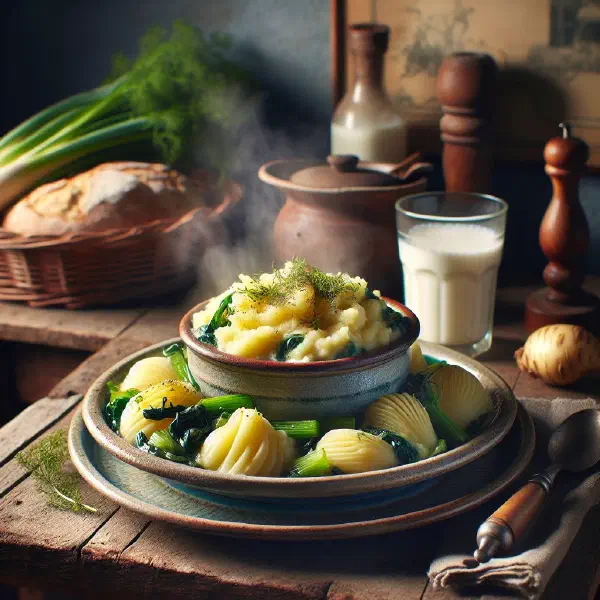
The presentation of Spitskoolstamppot can be simple yet striking. Serve the dish in an attractive, deep bowl that shows off its colours and texture. A scattering of chopped parsley or fresh herbs as a garnish adds a splash of colour and a fresher look. You might also consider arranging the meal on a wooden board to create a rustic feel and underline that unmistakable Dutch charm. Perfect alongside a plate of Stamppot Raapstelen.
A bit of history
The origins of Spitskoolstamppot lie in the rural, peasant cooking of the Netherlands, where simple, nourishing dishes were prized above all. Pointed cabbage was a widely grown vegetable, harvested during the cold months and serving as an important source of food. In the past the dish was often served with sausage or bacon to add extra protein, much like the classic Boerenkool Met Rookworst, though this tradition has evolved over time. Today many people enjoy the vegan or vegetarian version, savouring this blend of flavour and tradition that is so characteristic of Dutch cuisine.
More recipe ideas
Summary: Spitskoolstamppot
Spitskoolstamppot is a hearty dish that captures the very essence of Dutch cooking. With its simple but flavoursome ingredients, it offers a wonderful way to warm up on cold days while bringing a piece of Dutch tradition to the table. The versatility and adaptability of the recipe make it an ideal choice for all kinds of tastes and preferences. Enjoy this dish and immerse yourself in the world of Dutch cosiness.