National Dish Netherlands: Suikerbrood (Recipe)
In this article
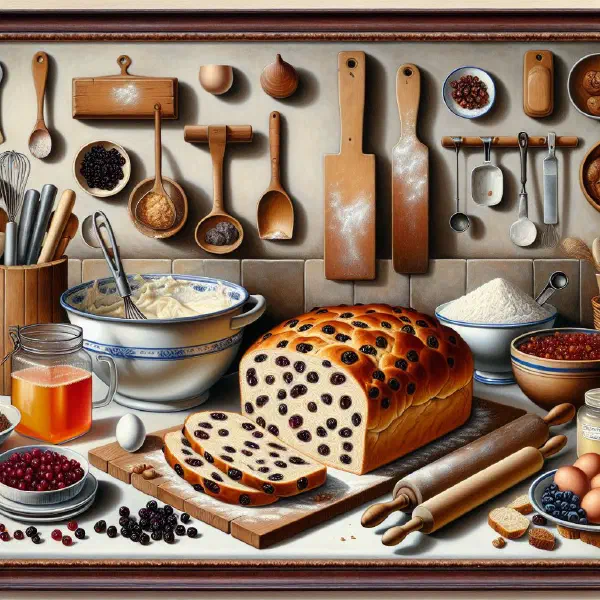
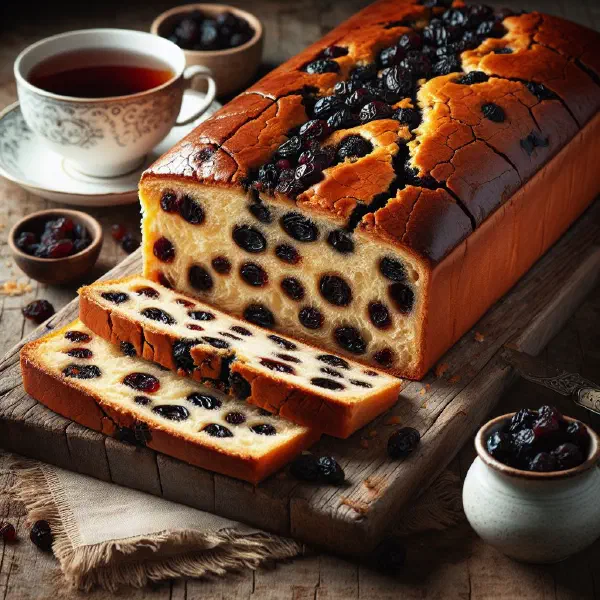
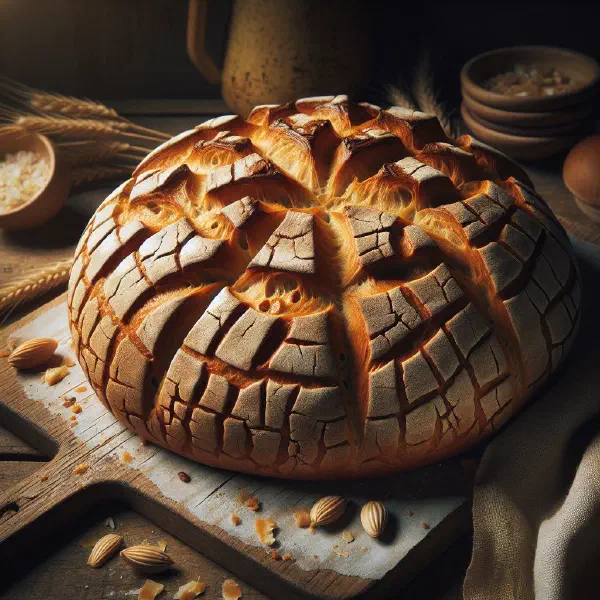
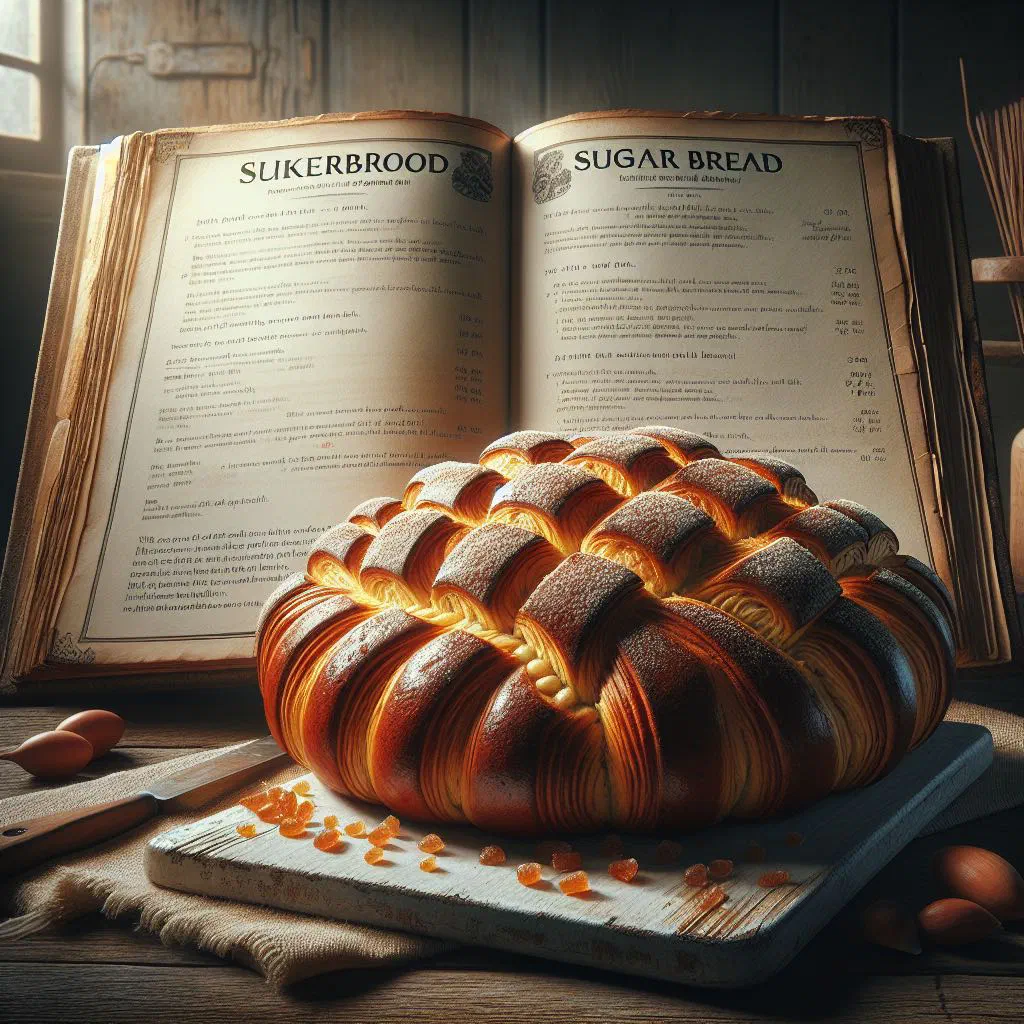
Discover Suikerbrood, the gloriously sweet enriched loaf that hails from the Dutch province of Limburg. Studded with cinnamon and pockets of candied sugar that melt into soft, sticky pearls as it bakes, this golden-crusted bread is pure indulgence. It brings a little Dutch warmth to the table, and fills the kitchen with the most inviting aroma along the way.
About Suikerbrood
Suikerbrood is a traditional Dutch bake with its roots firmly in the region of Limburg. It is a sweet, enriched bread, generously made with sugar and cinnamon, that turns an everyday loaf into a treat. The hallmark golden crust and pillowy, tender crumb make it ideal for breakfast or as a snack to enjoy at any hour. Suikerbrood holds a special place in Dutch culture and is often served on festive occasions, much like other beloved bakes from across the Netherlands’ kitchen.
Ingredients (serves 1–2)
- 300 g flour
- 100 g sugar
- 10 g dried yeast
- 150 ml milk
- 50 g butter
- 1 egg
- 1 tsp cinnamon
- A pinch of salt
Shopping for the ingredients
To create the perfect suikerbrood, it is worth gathering the right ingredients from the start. Most of what you need is easy to find in any regular supermarket. Take care to choose fresh yeast and a good-quality flour, as both have a real bearing on the flavour and texture of the finished loaf. If you would like to use fresh, fragrant cinnamon, a dedicated spice shop or a trusted online retailer is the place to look.
Preparing the dish
Before you start baking, lay out all your ingredients and keep your work surface clean and tidy. It is important to warm the milk gently so the yeast activates as it should. You will also want to melt the butter, which helps it blend smoothly with the rest of the mixture. A kitchen scale is a particularly useful tool here, letting you weigh everything out precisely for a reliable result.
Step-by-step instructions
- Warm the milk gently and stir in the yeast to dissolve it.
- In a large bowl, combine the flour, sugar, cinnamon and salt.
- Add the egg and the melted butter to the flour mixture.
- Slowly work the yeast-and-milk mixture into the dry ingredients.
- Knead the dough thoroughly until it is smooth and elastic.
- Cover the dough and leave it to prove in a warm spot for about 1 hour.
- Knock back the risen dough, then transfer it to a greased loaf tin.
- Leave to prove for a further 30 minutes before baking at 180°C for around 35–40 minutes.
Gluten-free / lactose-free version
To make suikerbrood gluten-free, simply use a good gluten-free flour blend, ideally one designed to mimic the texture of wheat flour. For a lactose-free version, swap the milk for a plant-based alternative such as almond or oat milk. These small adjustments let you tailor the recipe to your own dietary needs without losing the soft crumb and sweet character that make the bread so appealing.
Tips for vegans and vegetarians
To make suikerbrood vegan, replace the egg with a substitute such as apple purée or a pre-soaked chia gel. The butter is easily swapped for plant-based margarine. Bear in mind that not all sugars are vegan, so reaching for an organic sugar is a safe choice. These minor tweaks make the recipe suitable for everyone at the table.
More tips and tricks
If your dough feels a little too wet, work in a touch more flour until you reach the right consistency. A baking thermometer can help you judge when the loaf is perfectly baked through. Finish the bread with a dusting of icing sugar before serving to add a pretty, sweet flourish. Let your creativity run free and play with different spices to make the loaf your own, much like you might with a spiced Ontbijtkoek.
Adapting the recipe to your taste
Suikerbrood is wonderfully easy to adapt to suit your palate. If you prefer it less sweet, simply reduce the amount of sugar. Caramelised nuts or dried fruit can be folded in to lend the bread extra depth, in the spirit of a fruit-laden Krentenbrood. A pinch of vanilla or nutmeg is another lovely way to give the recipe a personal signature.
Ingredient substitutions
If you do not have dried yeast to hand, fresh yeast works well too. Just use a larger quantity. In place of cinnamon, try other warming spices such as cardamom or ginger to reinterpret the bake. Part of the flour can also be replaced with quinoa or almond flour for a slightly more wholesome loaf. Experiment with the ingredients until you land on the flavour that suits you best, just as you would when reworking a classic Rozijnenbrood.
Drink pairing ideas
A freshly baked suikerbrood pairs beautifully with a cup of black coffee or a child-friendly mug of cocoa. For special occasions, a fruity tea or even a small glass of prosecco makes a fine match. The right drink rounds off the experience perfectly.
Serving and presentation ideas
To present your suikerbrood at its best, slice it neatly and arrange it on an attractive plate. A scattering of fresh berries or a few edible flowers brings welcome colour to the platter. Serve the bread alongside spreads such as jam or butter so everyone can build their own perfect bite. A little touch like this shows your guests how much care you have put into the details.
A bit of history
Suikerbrood has a long history in the Netherlands. It was traditionally baked for festivities and special occasions, and its high sugar content is the defining feature of the bake, a reflection of the Dutch fondness for sweet treats. More than a culinary pleasure, it is a piece of cultural heritage, passed down through many families from one generation to the next, alongside festive bakes such as Kerststol.
More recipe ideas
Summary: Suikerbrood
Dutch suikerbrood is a wonderful marriage of sweet flavour and traditional baking craft. With simple ingredients and just a few steps, you can create this delicious loaf in your own kitchen. Experiment with different adaptations and enjoy it with a cup of your favourite drink. It is a treat for the palate and a slice of Dutch culture brought straight to your table.