National Dish Netherlands: Surinaamse Bami (Recipe)
In this article
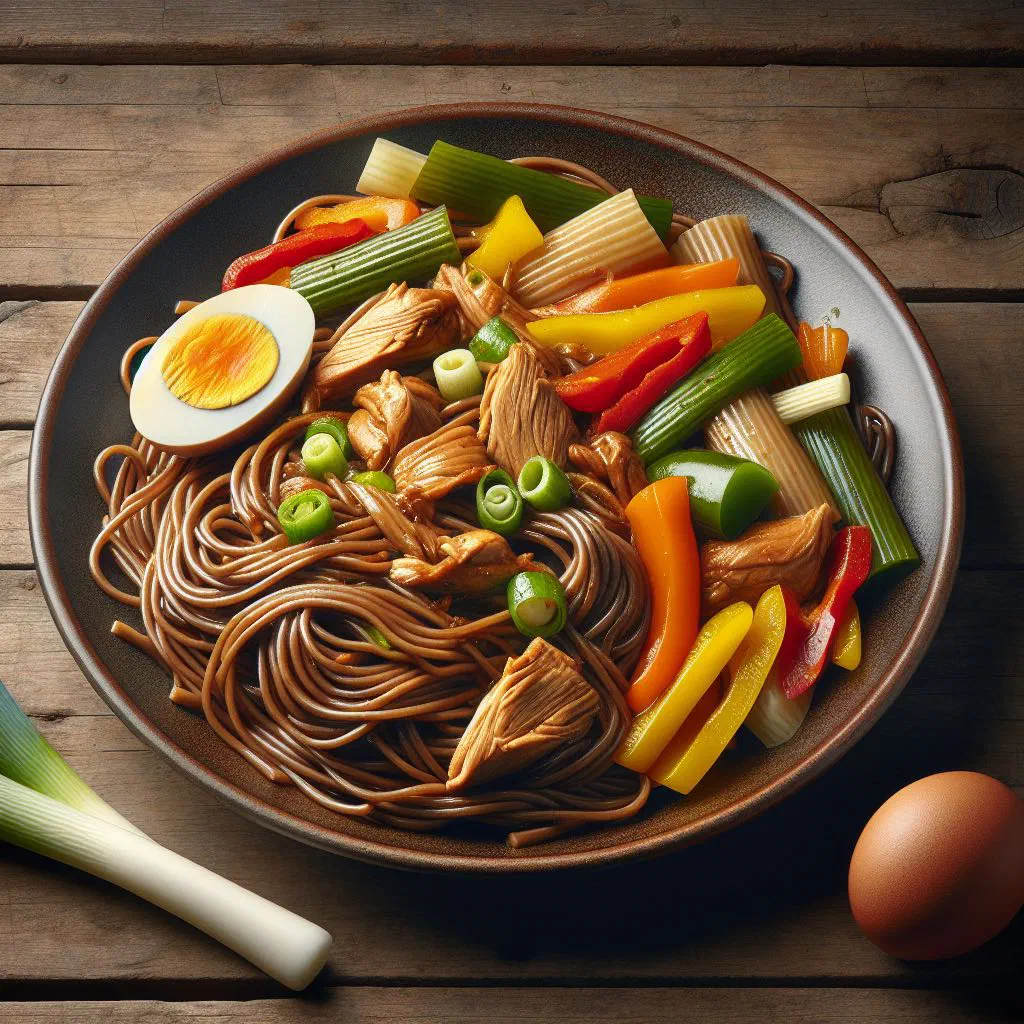
Discover Surinaamse Bami, a bright noodle dish that has become a firm favourite across the Netherlands. Born from the Caribbean kitchens of Suriname, it brings together springy wok noodles, tender meat or tofu and crisp vegetables in a fragrant tangle of soy and spice. Quick enough for a busy weeknight yet generous enough for a gathering of friends, it carries the warmth of the tropics straight to your table.
About Surinaamse Bami
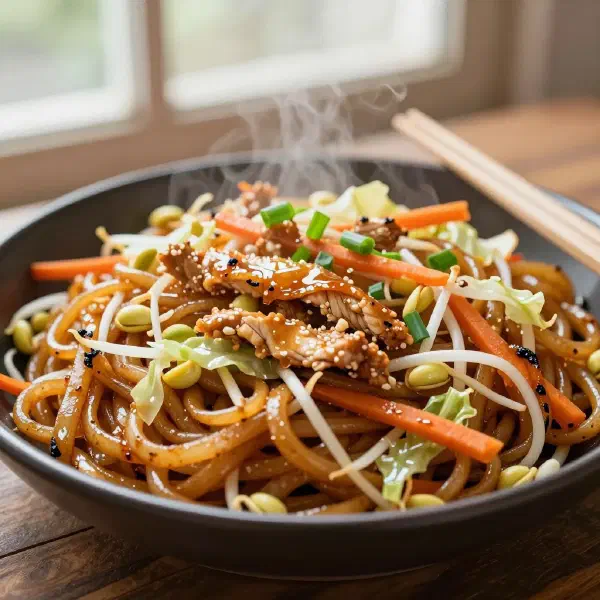
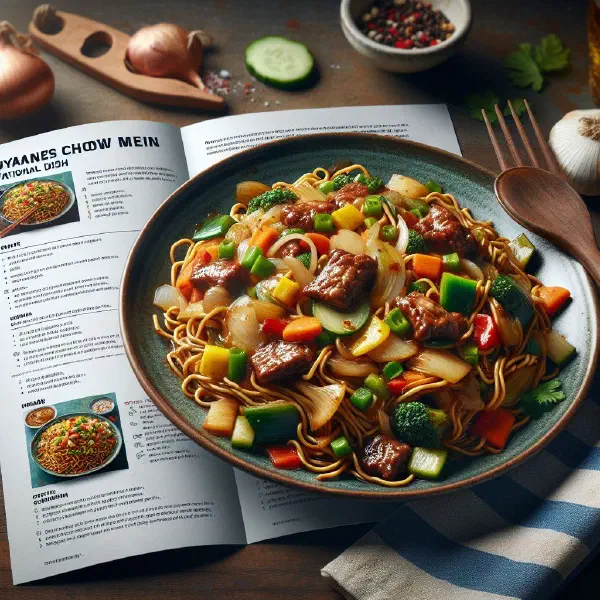
Surinaamse Bami is a lively, deeply flavoursome noodle dish that is especially well loved in the Netherlands. It is a fusion of Asian and Caribbean flavours that tastes good. The dish is usually built around wok noodles and combined with a variety of fresh ingredients, including meat, vegetables and a handful of exquisite spices. It makes a superb quick supper or a centrepiece for special occasions when you want to bring family and friends together around one table.
Ingredients (serves 1–2)
- 200 g wok noodles
- 150 g chicken breast or tofu
- 1 carrot
- 1 pepper
- 1 onion
- 2 cloves garlic
- 2 tablespoons soy sauce
- 1 teaspoon sambal oelek (optional)
- Oil, for frying
- Fresh coriander, to garnish
Shopping for the ingredients
To coax the best flavours out of your Surinaamse Bami, it is worth choosing fresh, good-quality ingredients. An Asian grocery is often the place to find the most authentic items. Be sure to pick up a few typical spices and sauces, such as soy sauce or sambal oelek, to guarantee a genuine taste. Many of these ingredients are also available in ordinary supermarkets, which makes the shopping that bit easier.
Preparing the dish
Before you start cooking, it pays to prepare all your ingredients well. Cut the chicken or tofu into small pieces and slice or dice the vegetables into fine strips and cubes. This groundwork saves time once the wok is hot and means everything is within easy reach. Remember to have a large frying pan or wok ready so the ingredients cook evenly and mingle together properly.
Step-by-step instructions
- Bring a large pan of water to the boil and cook the wok noodles until al dente, following the packet instructions.
- While the noodles cook, heat a little oil in a large pan or wok and add the onion and garlic.
- After a couple of minutes, add the chicken or tofu and fry until golden brown.
- Stir in the prepared vegetables and fry them briefly.
- Drain the noodles and add them to the pan along with the soy sauce and sambal oelek.
- Toss everything together well so the noodles soak up all the aromas.
- Serve the Surinaamse Bami hot, garnished with fresh coriander.
Gluten-free / lactose-free version
Making Surinaamse Bami gluten-free is straightforward: simply use gluten-free wok noodles. Most ordinary soy sauces contain gluten, but you can switch to gluten-free soy sauce or tamari to keep the flavour you are after. For a lactose-free version the ingredients are usually already suitable, as no dairy is involved. That way the dish stays accessible and delicious for everyone.
Tips for vegans and vegetarians
Vegan and vegetarian versions of Surinaamse Bami are every bit as tasty and satisfying. Replace the chicken with tofu, tempeh or a mix of different vegetables such as courgette or broccoli, much like the plant-based approach behind Tempeh Goreng. Take care to use a plant-based gravy substitute to enrich the flavour. This way vegans can share in this hearty dish without compromising on taste.
More tips and tricks
To get the most out of your Surinaamse Bami, try lightly toasting the noodles before tossing them with the rest of the ingredients. This adds an extra layer of texture and flavour to the dish. A pinch of further spices such as cumin or five-spice powder can also lend an intriguing note. Experiment with different ingredients to find the perfect combination for your own taste.
Adapting the recipe to your taste
The flexibility of Surinaamse Bami is one of the reasons it is so popular. You can tailor the recipe as you please by using seasonal vegetables or different kinds of meat. You can also dial the heat up or down by adding more or less sambal oelek. Let your own preferences lead the way so you create a dish you will genuinely enjoy.
Ingredient substitutions
If some ingredients are not to hand, there is always an alternative. In place of wok noodles you might use other types such as rice noodles or even zoodles (courgette noodles). For the protein, you could add lentils or beans, which bring their own delicious flavour.
Drink pairing ideas
To round off the Surinaamse Bami experience, choose a drink that complements it. A refreshing Asian iced tea or a sparkling lemonade-style drink pairs beautifully with the dish’s robust flavours. If you prefer something alcoholic, a cool beer or a fruity cocktail could be the perfect match. Just make sure the drink supports the flavours of the food rather than overpowering them.
Serving and presentation ideas
The presentation of your Surinaamse Bami can lift the whole meal. Serve the dish in a large bowl and garnish it generously with fresh coriander and perhaps a few sesame seeds. Use attractive, colourful plates to bring out the colours of the dish. A few slices of lime or lemon on the side add not only a splash of colour but another dimension of flavour too.
A bit of history
The origins of Surinaamse Bami lie in the colonial history of Suriname, where immigrants from various parts of the world brought their culinary traditions with them. The different communities, including Chinese, Indian and indigenous populations, all contributed to a unique culinary heritage. Those influences are still visible today in the variety of flavours and preparations, a hallmark you will also recognise across Netherlands cuisine and its Nasi Goreng. Thanks to its popularity in the Netherlands, the dish has gained international renown and continues to win over more and more people.
More recipe ideas
Summary: Surinaamse Bami
In short, Surinaamse Bami is a versatile, flavour-packed dish suited equally to special occasions and everyday cooking. With its wealth of ingredients and the freedom to adapt the recipe, you can shape it entirely to your own wishes. Whether vegan, gluten-free or traditional, the bami has something to offer everyone. Give this recipe a try and let the flavours of the Caribbean work their magic.