National Dish Netherlands: Waddenbrood (Recipe)
In this article
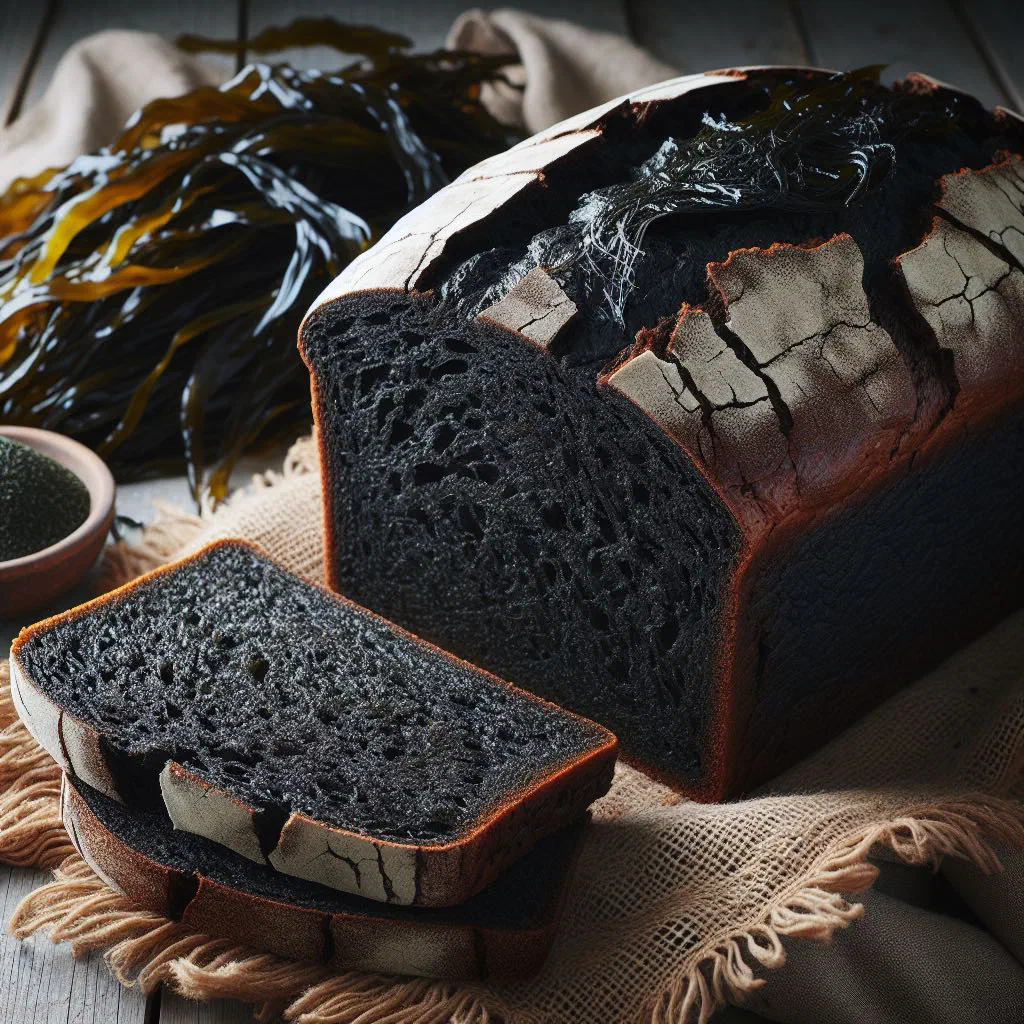
Bring the briny breath of the North Sea into your kitchen with Waddenbrood, a hearty loaf that captures the spirit of the Dutch coast. Studded with regional seafood and scented with fresh herbs, this savoury bread celebrates the freshness and variety of the Wadden Sea, an UNESCO World Heritage region famous for its rich tidal waters. Waddenbrood is a delicious way to savour the maritime soul of the Netherlands.
About Waddenbrood
Waddenbrood is a traditional dish from the Netherlands that gathers the flavours of the North Sea into a single savoury loaf. It is often made with regional seafood and reflects the freshness and diversity of the country’s coastal cooking. In the Wadden region, an UNESCO World Heritage site, this bread becomes a genuine delicacy. Served as a between-meals snack or as a main course, Waddenbrood is a wonderful way to enjoy the Dutch coastal culture that defines so much of Dutch cuisine.
Ingredients (serves 1–2)
- 250 g plain wheat flour
- 200 ml water
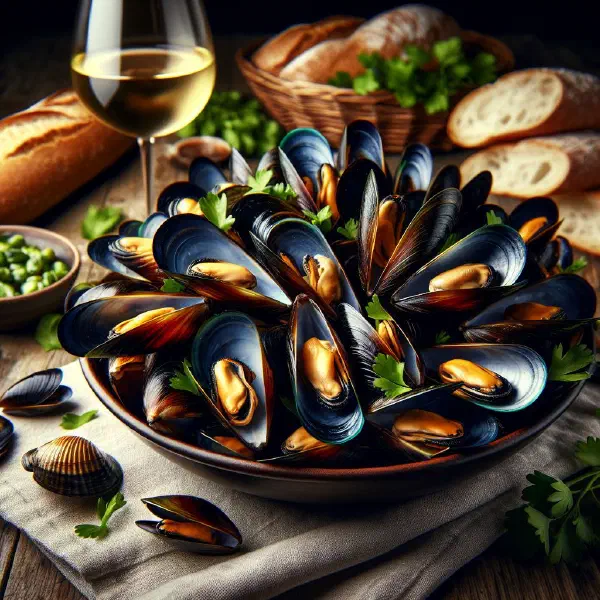
- 150 g regional seafood (such as shrimp or mussels)
- 1 tsp salt
- 1 tsp dried yeast
- 1 tbsp olive oil
- Fresh herbs (such as dill or parsley)
Shopping for the ingredients
When shopping for the ingredients for Waddenbrood, it is important to choose the freshest produce you can find, especially the seafood. Visit a local market or fishmonger to be sure of the quality. Try to buy only sustainable, regional seafood so you support the local fishing trade. It is also worth picking up fresh herbs to give the bread its distinctive aromatic note.
Preparing the dish
Preparing Waddenbrood is straightforward and calls for no special culinary skills. Begin by tipping the wheat flour into a bowl and stirring in the dried yeast and the salt. In a separate container, combine the water with the olive oil, then add this mixture to the flour a little at a time. Mix everything thoroughly until you have a smooth dough, then leave it to rest in a warm spot.
Step-by-step instructions
- In a bowl, combine the wheat flour, the dried yeast and the salt.
- Add the water and the olive oil, then knead the dough thoroughly.
- Cover the bowl with a cloth and leave the dough to prove for about 30 minutes.
- Fold in the seafood and the chopped herbs, then knead the dough once more.
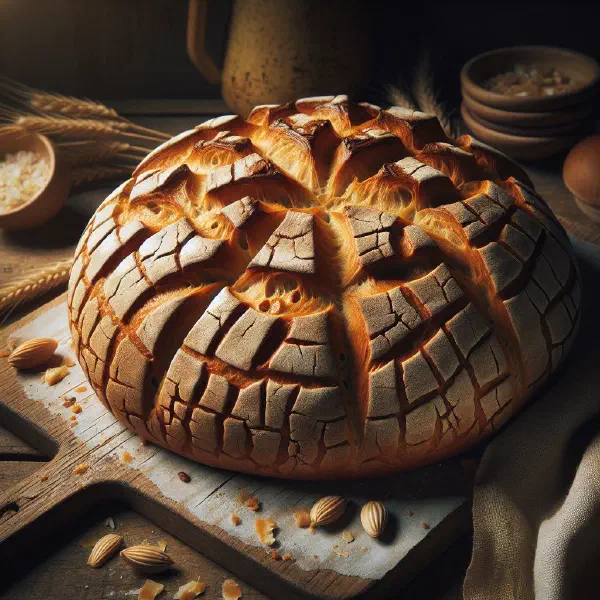
- Shape the dough into a loaf or small rolls and place them on a baking tray.
- Bake the bread in a preheated oven at 200°C for around 25–30 minutes, until golden brown.
Gluten-free / lactose-free version
For a gluten-free version, simply swap the wheat flour for a gluten-free flour blend suitable for bread. If you are lactose intolerant, make sure every ingredient you use is lactose-free, particularly the olive oil and the seafood. Thanks to plant-based oils and well-chosen seasonings, the flavour of the Waddenbrood stays just as intense and aromatic. Experiment with gluten-free alternatives to find the result that works best for you.
Tips for vegans and vegetarians
Vegans and vegetarians can adapt Waddenbrood with ease by replacing the seafood with plant-based alternatives. A combination of steamed vegetables such as courgette, pepper and carrot adds plenty of depth and flavour to the loaf. You can also work in vegan seasonings or a spoonful of pesto to give the dish a fresh new dimension. With a little creativity, the bread keeps its authentic character even without the traditional ingredients.
More tips and tricks
A few practical tips can make your Waddenbrood even tastier. You can also adjust the baking time to bring the bread exactly to the doneness you prefer. Store the loaf well wrapped once baked so it stays fresh, and remember that it truly comes into its own only after it has cooled.
Adapting the recipe to your taste
One of the best things about Waddenbrood is how easily it can be made your own. Knead different herbs or spices into the dough to reflect your personal taste. The type of seafood can change too, depending on what is available or what you fancy. Playing with different ingredients keeps the cooking exciting and offers a new taste experience every time, much like the seafood twist in Zeeuwse Mosselen.
Ingredient substitutions
You can also try various alternatives to the typical ingredients in Waddenbrood. If you would rather not use wheat flour, rye or spelt flour make fine choices. The type of oil can vary too; instead of olive oil you might use coconut oil for a different flavour note. Safety matters, so always check the ingredients, particularly with seafood, to avoid any allergic reactions.
Drink pairing ideas
A wide range of drinks pairs beautifully with a delicious Waddenbrood. A refreshing glass of white wine or a chilled beer makes the perfect companion. For alcohol-free options, freshly pressed juices or a sparkling mineral water with lemon work wonderfully. Enjoy your Waddenbrood in a relaxed setting, the right drink can refine the whole experience.
Serving and presentation ideas
Presentation plays a key role in enjoying Waddenbrood. Serve the bread on a rustic wooden board that echoes the maritime theme. Garnish it with fresh herbs or lemon slices to add an appealing visual touch. Beautifully arranged plates also help to dress up the dish and impress your guests.
A bit of history
Waddenbrood has a long tradition and is closely tied to the history of the North Sea and the coastal culture of the Netherlands. The Wadden region is renowned for its rich fishing grounds and the rhythm of the tides, which is reflected in its gastronomic variety. Historically, people drew on the treasures of the sea to prepare nourishing and delicious dishes. Even today, Waddenbrood plays an important part in the local kitchen, sitting alongside coastal favourites such as Kibbeling and Haring.
More recipe ideas
Summary: Waddenbrood
Waddenbrood is more than a simple loaf; it is a symbol of Dutch coastal culture and an authentic taste of the sea. It is a dish that adapts easily to all kinds of preferences. Give this recipe a try and let the flavours of the North Sea work their magic, a tour you will not want to miss.