National Dish Netherlands: Zuurvlees (Recipe)
In this article
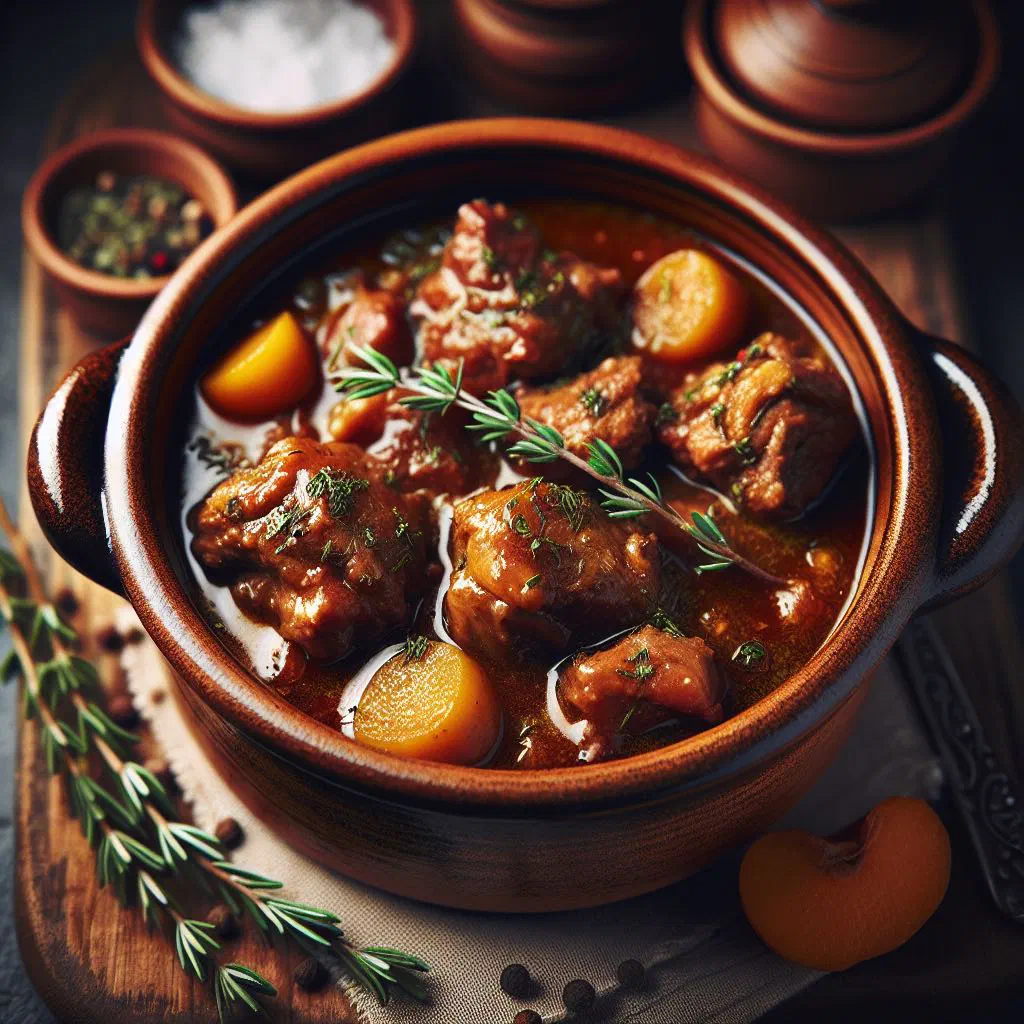
Discover Zuurvlees, the Netherlands’ beloved sweet-and-sour beef stew. Especially prized in the southern province of Limburg, this slow-braised dish wraps tender chunks of beef in a rich, tangy sauce of vinegar, brown sugar and warming spices. It is the kind of unhurried comfort food that rewards patience, and it tastes even better the next day. Serve it with chips or fresh bread and bring a true Dutch classic to your own table.
About Zuurvlees
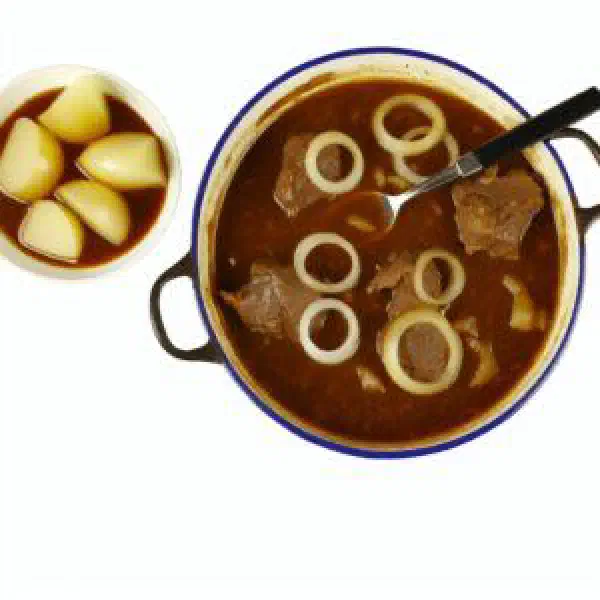
Zuurvlees, which literally means “sour meat”, is a traditional dish from the Netherlands that is particularly popular in the region of Limburg. It is a wonderfully comforting braise prepared with vinegar, sugar and spices, which give it its characteristic tangy flavour. The meat is left to soak in an aromatic marinade and then cooked slowly until it turns meltingly tender and full of flavour. Zuurvlees is often served with mashed potatoes or chips and is a real highlight of Dutch cuisine.
Ingredients (serves 1–2)
- 500 g beef (such as shoulder or neck)
- 2 onions
- 2 cloves of garlic
- 250 ml red wine vinegar
- 2 tablespoons brown sugar
- 1 teaspoon mustard
- 3–4 bay leaves
- Salt and pepper to taste
- 2 tablespoons oil, for frying
- Water as needed
Shopping for the ingredients
For Zuurvlees you should choose fresh beef and good-quality spices. Visit a local butcher to make sure the meat is of the best quality, as the tenderness of the dish depends heavily on the cut you select. The red wine vinegar should have an intense flavour too, since it forms a central part of the dish. Take care to buy all the other ingredients fresh to achieve the best possible taste.
Preparing the dish
Preparing Zuurvlees begins with cutting the beef into even cubes. This ensures it cooks uniformly and lets the marinade penetrate more effectively. The onions and garlic cloves should also be finely chopped so they can release their full flavour. Depending on the recipe, the marinated meat can rest for a few hours or overnight to let the aromas deepen and intensify.
Step-by-step instructions
- Place the beef in a bowl and combine it with the red wine vinegar, sugar, mustard, salt, pepper, bay leaves, onions and garlic. Cover and leave to marinate for at least 4 hours, or overnight.
- Heat the oil in a large pot and sear the marinated meat on all sides until nicely browned.
- Add the marinade from the bowl and bring everything to the boil. Top up with water so the meat is just covered.
- Let the dish braise over low heat for 2–3 hours, until the meat is tender, stirring occasionally.
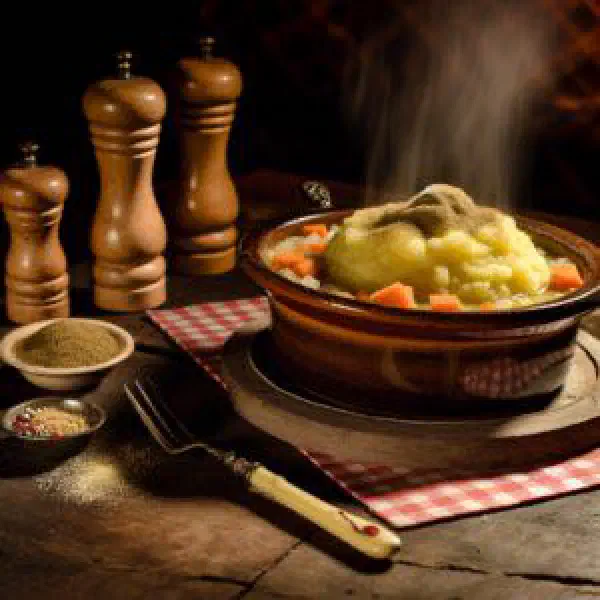
- Serve the Zuurvlees with mashed potatoes or chips, as you prefer.
Gluten-free / lactose-free version
The traditional preparation of Zuurvlees is naturally gluten-free and lactose-free, as the main ingredients contain no gluten- or lactose-based products. To be sure the dish is suitable for those with allergies, look for gluten-free alternatives to any spices and flavourings when shopping. Take care that none of the ingredients used contain hidden sources of gluten. That way, people following particular diets can enjoy the dish too.
Tips for vegans and vegetarians
There are several ways to adapt Zuurvlees for vegans and vegetarians. Instead of beef, you can use seitan or tofu, both of which take on the marinade beautifully. It is important to adjust the cooking time, as plant-based proteins often need less time to become tender. The result is a delicious, aromatic dish that keeps the traditional sour flavour while being entirely plant-based.
More tips and tricks
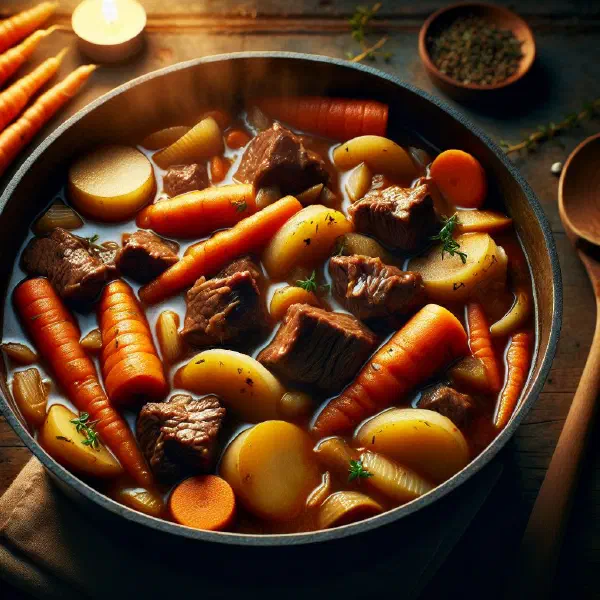
One of the best tips for preparing Zuurvlees is to give the meat plenty of time to marinate, which ensures the flavours really soak in. The dish also keeps well and can be made in advance. It often tastes even better the next day. A slow cooking time at a low temperature gives a particularly tender result, which is exactly what makes the ideal braise. The same patient approach pays off in a hearty Runderstoofpot.
Adapting the recipe to your taste
The recipe for Zuurvlees is easy to tailor to your personal preferences. You can try different cuts of meat or plant-based proteins to vary the flavour. The spices can also be swapped to suit your own taste, a little extra ginger, for instance, adds an interesting note. Experiment with different types of vinegar to give the dish a distinctive character of its own.
Ingredient substitutions
If certain ingredients for Zuurvlees are not available, alternatives can step in. Instead of red wine vinegar, you can use white wine vinegar or cider vinegar. This will not change the flavour of the dish dramatically. In place of brown sugar, honey or agave syrup can be used to add a touch of sweetness. Take care to adjust the quantities accordingly so you keep the flavours you are after, much as you would when fine-tuning a Hachee.
Drink pairing ideas
The right drinks matter when enjoying a dish like Zuurvlees. A fruity red wine pairs perfectly with the dish’s sour notes and brings out its flavour. Alternatively, alcohol-free wines or sparkling water with a splash of lemon make a refreshing accompaniment. For a festive atmosphere, a hearty beer rounds off the flavours of the meal wonderfully.
Serving and presentation ideas
The presentation of Zuurvlees is straightforward, but a few tricks can lift it. Serve the dish in an attractive bowl or on a rustic wooden board for a traditional look. Fresh herbs such as parsley or chives can be used as a garnish to add a splash of colour. Small dishes of sides such as pickled vegetables can also round off the overall picture beautifully, much like the spread you might lay out alongside a Boerenstoofpot.
A bit of history
Zuurvlees has its roots in 19th-century Dutch cooking and is especially well known in Limburg. It is a dish that grew out of the need to preserve meat while refining it at the same time. The use of vinegar and sugar is a method found in other cuisines too as a way to intensify flavours. Today, Zuurvlees is a traditional dish and a symbol of the culinary identity of the region.
More recipe ideas
Summary: Zuurvlees
In summary, Zuurvlees is a wonderful example of the rich tradition of Dutch cuisine. With the right preparation and ingredients, variations can be made to suit different diets and preferences too. Whether with meat or vegan, the flavours and the method of preparation offer plenty of ways to enjoy this delicious dish. Give it a try and savour the unique taste of Zuurvlees.