National Dish Netherlands: Zwezerikstoof (Recipe)
In this article
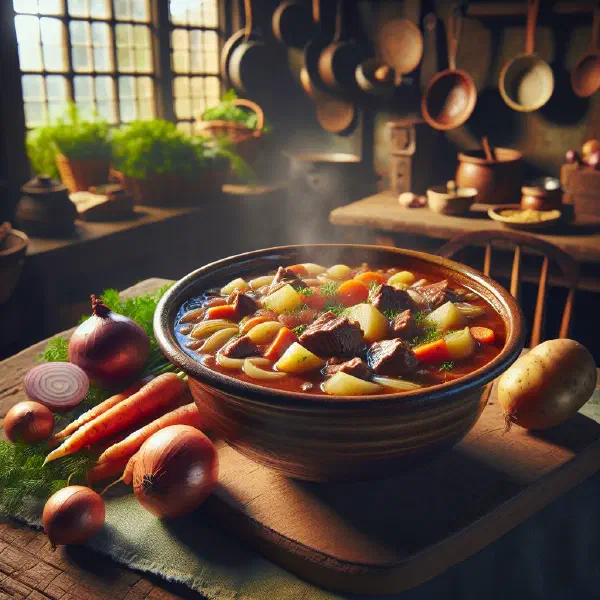
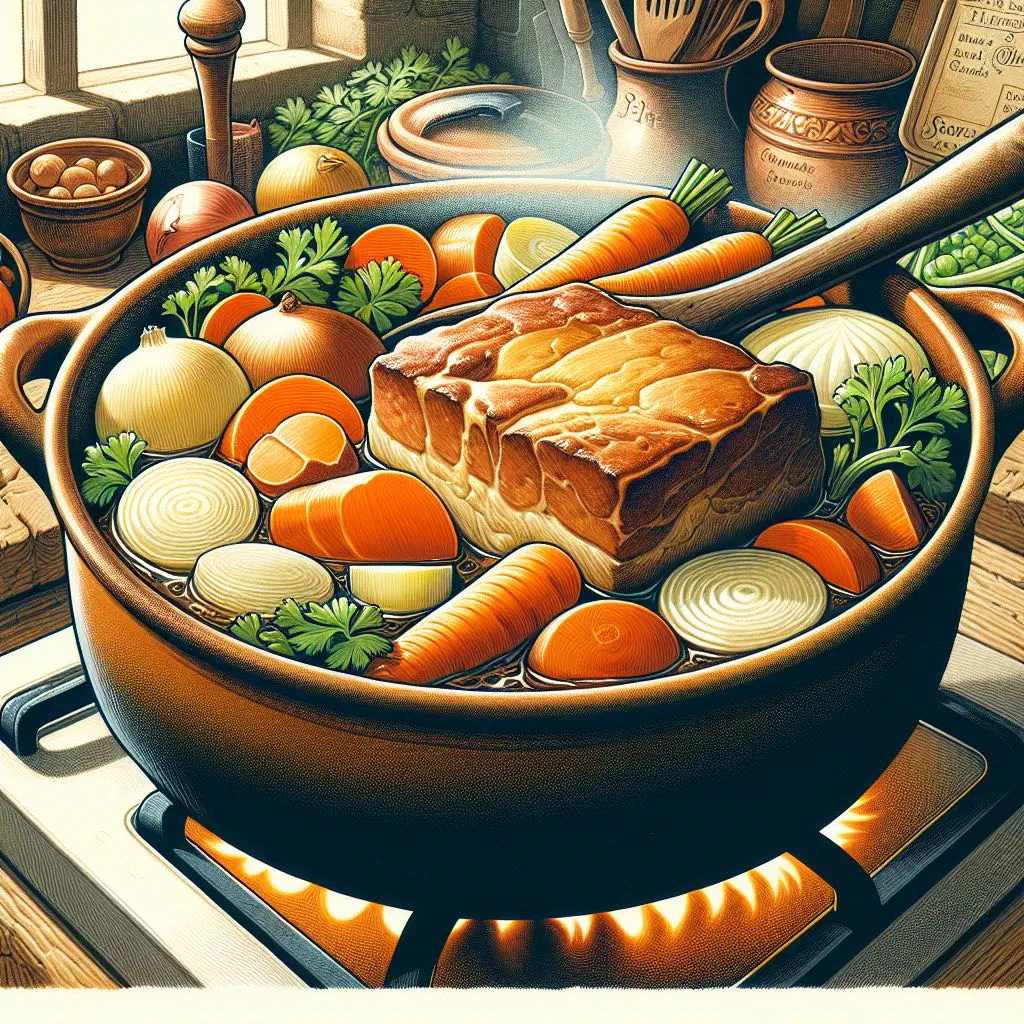
Discover Zwezerikstoof, a hearty and rustic dish from the heart of the Netherlands. This slow-cooked stew brings together tender meat, sweet root vegetables and a deeply savoury sauce that is made for cold, blustery days. Honest, warming and full of old-fashioned character, it is the kind of meal that fills the kitchen with the comforting aromas of thyme and slow-simmered broth. Bring a piece of Dutch home cooking straight to your own table.
About Zwezerikstoof
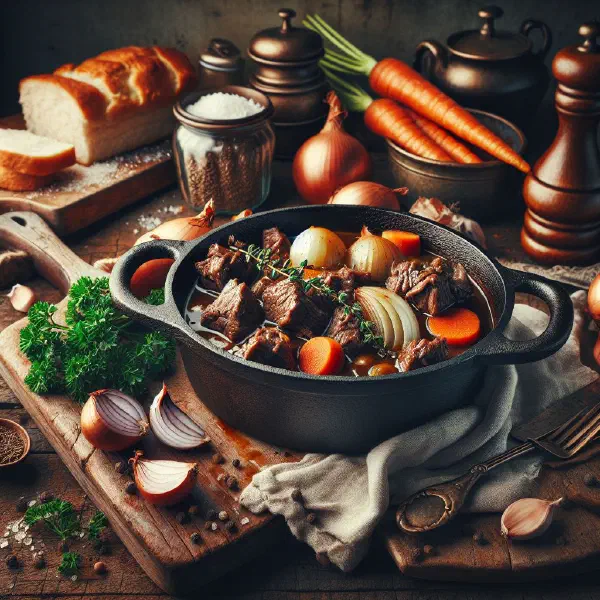
The Dutch dish Zwezerikstoof is a genuine traditional recipe with a long history in the kitchens of the Netherlands. Its main ingredient, the diaphragm meat (skirt), gives the dish its distinctive flavour and wonderfully tender texture. Zwezerikstoof is often served as an autumn or winter dish and, thanks to its rich, savoury sauce, it is perfectly suited to chilly days. The recipe reflects the rustic, honest character of Dutch cooking and invites you to dive into the culture and history of the Netherlands.
Ingredients (serves 1–2)
- 300 g diaphragm meat (beef skirt)
- 1 large onion
- 2 carrots
- 2 cloves of garlic
- 500 ml beef broth
- 2 tablespoons vegetable oil
- 1 teaspoon thyme
- 1 teaspoon paprika
- Salt and pepper, to taste
- Fresh parsley, to garnish
Shopping for the ingredients
When shopping for the ingredients for Zwezerikstoof, it is worth choosing fresh, good-quality produce. The diaphragm meat can often be found at a well-stocked butcher’s or a specialist deli. Vegetables such as onions and carrots are available in any supermarket and should be as fresh and crisp as possible to guarantee the best flavour. Don’t forget to top up the spices in your store cupboard too, so you can round off the dish perfectly.
Preparing the dish
Before you start cooking your Zwezerikstoof, take the time to prepare all the ingredients carefully. That means cutting the diaphragm meat into bite-sized pieces and peeling and chopping the vegetables. This groundwork ensures that the dish later cooks evenly and quickly. Good preparation is the key to a delicious result, as it saves time during cooking and keeps the whole process running smoothly.
Step-by-step instructions
- Heat the vegetable oil in a large pot and brown the diaphragm meat until it has a lovely deep colour.
- Add the onion and garlic and sweat for a few minutes until softened and translucent.
- Add the carrots and mix everything well. Season with salt, pepper, thyme and paprika.
- Pour in the beef broth and bring the dish to the boil. Then reduce the heat and let it simmer gently for at least 1 hour.
- Garnish the Zwezerikstoof with freshly chopped parsley and serve hot.
Gluten-free / lactose-free version
The recipe for Zwezerikstoof is naturally gluten-free and lactose-free, since the main ingredients are meat, vegetables and spices. Do take care when choosing your beef broth, however, as shop-bought stocks can sometimes contain gluten. A lactose-free stock or a vegetable broth can also be used to keep the dish lighter. This makes the recipe well suited to anyone with food intolerances.
Tips for vegans and vegetarians
For a vegan or vegetarian version of Zwezerikstoof, you can replace the diaphragm meat with plant-based alternatives. A combination of mushrooms, such as button mushrooms or porcini, adds body to the dish and brings a hearty umami flavour. Use vegetable broth in place of beef broth and stir in some red lentils to introduce a protein-rich element. This keeps the dish’s robust, savoury character intact while making it suitable for vegan and vegetarian diets.
More tips and tricks
A few small tricks can noticeably improve the flavour of Zwezerikstoof. This is especially true if you make the dish a day in advance and chill it overnight, allowing the flavours to develop more fully. The next day, simply reheat it and adjust the seasoning with a little salt and pepper if needed. The stew can also be wonderfully enriched with a splash of red wine, added at the start of cooking to give the dish more depth. The same slow-simmered approach works beautifully for a Runderstoofpot.
Adapting the recipe to your taste
Making Zwezerikstoof is extremely flexible and easy to adapt to individual tastes. If you don’t care for carrots, for example, you can replace them with celeriac or parsnips. If you like a little heat, simply add a pinch of chilli powder. You can also experiment with the herbs, using rosemary or bay leaves to discover new flavours and tailor the dish to your family.
Ingredient substitutions
If you don’t have all the ingredients for Zwezerikstoof to hand, there are several alternatives you can use. Instead of beef broth, you can use chicken stock or a robust vegetable broth. In place of the diaphragm meat, beef chunks or smaller pieces of pork also work well, much as they do in a Hachee. These variations give the dish a slightly different character, but it stays true to the spirit of a hearty meal.
Drink pairing ideas
Choosing the right drink can round off the Zwezerikstoof experience perfectly. A robust red wine, such as a Merlot or Cabernet Sauvignon, pairs wonderfully with the dish’s savoury flavours. If you prefer something non-alcoholic, a rich grape juice or a homemade iced tea could be the ideal choice.
Serving and presentation ideas
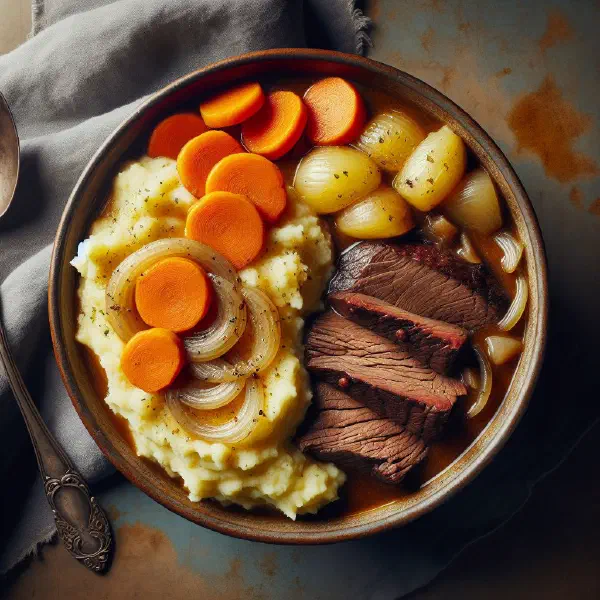
The presentation of Zwezerikstoof can be styled to please both the palate and the eye. A simple, rustic bowl made of earthenware or ceramic gives the dish an authentic look. Add fresh parsley or thyme as a garnish to create a colourful contrast on the serving plate. A few freshly baked bread rolls or a homemade side of mashed potatoes or steamed vegetables make the dish filling and visually appealing, much like a comforting plate of Hutspot.
A bit of history
The history of Zwezerikstoof leads back to the rural kitchens of the Netherlands, where it was a dish built on simple but nourishing ingredients. This style of cooking originally grew out of the need to use every part of an animal and so avoid food waste. Zwezerikstoof was often handed down from generation to generation and has become a much-loved dish in many Dutch households. It is prepared for special occasions and as an everyday supper, making it a firm fixture of Dutch cuisine.
More recipe ideas
Summary: Zwezerikstoof
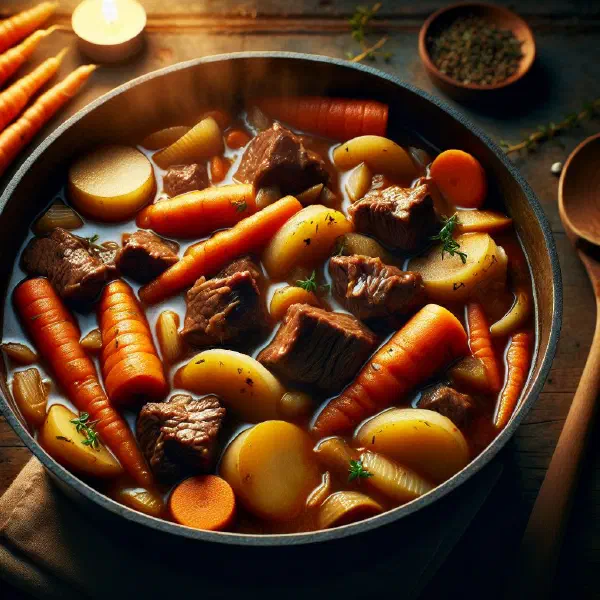
Zwezerikstoof is more than just a dish; it is a piece of Dutch culture that unites tradition and flavour. The combination of tender diaphragm meat, aromatic vegetables and a rich, savoury sauce makes this stew an absolute treat, especially during the colder months. The recipe’s versatility lets you adapt it to personal preferences and dietary needs without losing its authentic taste. Bring a slice of Dutch food history to the table with Zwezerikstoof and enjoy its wonderful flavours.