National Dish New Zealand: Māori Fry Bread (Recipe)
In this article
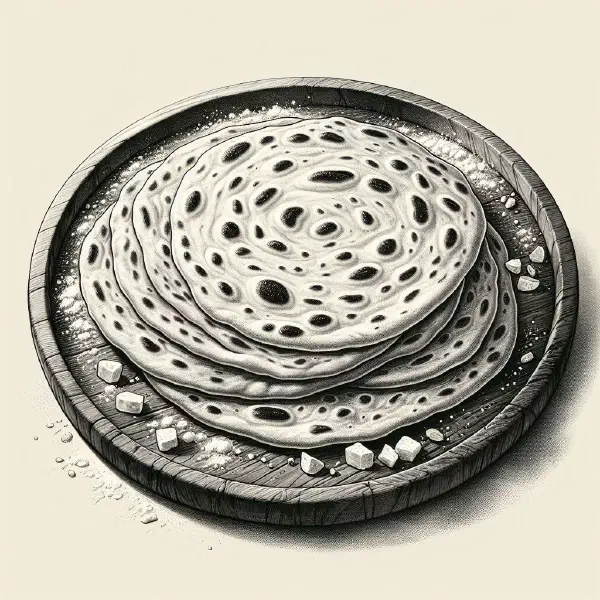
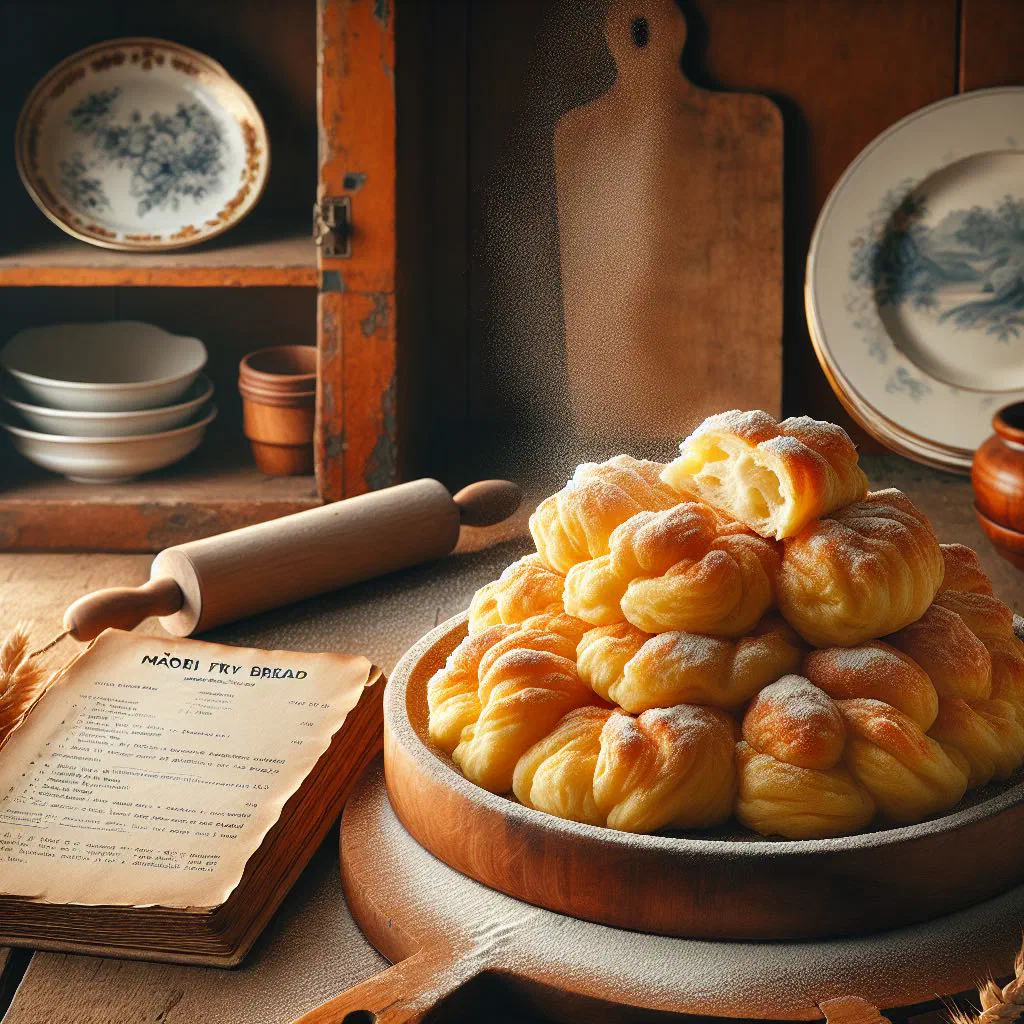
Say hello to Māori Fry Bread, one of New Zealand’s most companionable breads. Golden and crisp on the outside, soft and pillowy within, these little fried rolls turn up at family gatherings, roadside stalls and beach picnics alike. The dough asks for barely more than flour, water and a hot pan, yet the result carries real cultural weight, a bread made to be shared. Serve it sweet with jam or savoury with a stew, and it never disappoints.
About Māori Fry Bread
Māori Fry Bread is a traditional dish from New Zealand that stands out above all for how many ways it can be used. In Māori culture this humble bread roll is valued as a snack and as an accompaniment to all manner of dishes. It has a flavour all of its own and a fluffy texture that makes it a genuine pleasure to eat. At celebrations and community gatherings it is often the highlight that brings everyone together around the table.
Ingredients (serves 1–2)
- 1 cup plain flour
- 1 teaspoon baking powder
- 1/2 teaspoon salt
- 1/2 cup water
- Oil, for frying
Shopping for the ingredients
When shopping for the ingredients for Māori fry bread it pays to choose good-quality products, as this is what delivers the best flavour. Fresh flour and baking powder are decisive for the light texture of the bread. Take care, too, to pick a frying oil that copes well with high temperatures, such as rapeseed oil or peanut oil. Choices like these can make all the difference between an average result and an outstanding one.
Preparing the dish
Preparing Māori fry bread is straightforward and takes only a handful of steps. Make sure all your ingredients are ready before you begin cooking. A clear, clean work surface helps enormously when it comes to kneading the dough properly. Beyond that, heat the frying oil in a deep pan or saucepan so the bread cooks through evenly once it goes in.
Step-by-step instructions
- Combine the flour, baking powder and salt thoroughly in a bowl.
- Add the water little by little and knead everything into a smooth dough.
- Divide the dough into small portions and flatten each one with your hands.
- Heat the oil in a pan and fry the pieces of dough until golden brown on both sides.
- Drain the finished rolls on kitchen paper and serve warm.
Gluten-free / lactose-free version
For a gluten-free version you can use a gluten-free flour blend designed for baking. Likewise, a plant-based oil keeps the recipe entirely dairy-free, which makes it far easier to cater for guests with particular dietary needs. The character of the Māori fry bread comes through just as clearly, while the requirements of a gluten-free or lactose-free diet are fully met. That way many more people can enjoy this delicious bread.
Tips for vegans and vegetarians
Māori fry bread is naturally vegan and vegetarian, since only plant-based ingredients go into it. Do use a vegetable oil for frying to keep the dish suitable for a plant-based diet. To give the recipe a distinctive touch, vegan-friendly spices or herbs can be worked into the dough to vary the flavour. The result stays not only delicious but genuinely versatile, much like the vegetable-forward Piko Piko Salad that often sits beside it.
More tips and tricks
To get the very best from your fry bread, a few tips and tricks are worth keeping in mind. Experiment with different fillings, from sweet jams to savoury spreads. The rolls can also be scattered with fresh herbs before they go into the pan. Once cooked, serve them warm to preserve that fresh, springy texture. They are especially good alongside a hearty Boil Up.
Adapting the recipe to your taste
Adapting the recipe to your own preferences is a fine way to discover new flavours. Vary the seasoning to create a spicier or sweeter note, or add ingredients such as onion or garlic for extra aroma. Different types of flour can be used as well to achieve different textures. In this way you shape your own individual Māori fry bread exactly to your taste.
Ingredient substitutions
If you are looking for substitutions for particular ingredients, there are plenty of options worth trying. Plain flour can be replaced with almond flour or coconut flour, depending on what you prefer. There are also natural alternatives to baking powder that work without bicarbonate of soda. It is always interesting to test new versions and see how they shift the flavour of the finished bread, the same spirit of experiment that gave New Zealand the fermented Rewena Bread.
Drink pairing ideas
For a thoroughly satisfying meal with Māori fry bread, a range of drinks works beautifully. A refreshing herbal tea suits the fluffy rolls perfectly and lifts their flavours. New Zealand wines and fresh fruit juices make excellent companions too. The right choice of drink deepens the whole culinary experience and turns a simple meal into something memorable.
Serving and presentation ideas
Attractive presentation can improve the overall impression the fry bread makes. Serve the rolls on a handsome plate and garnish them with fresh herbs or fruit. Setting out dips or sauces in small bowls beside the bread makes the dish more appealing still. Thoughtful presentation helps make the experience all the more welcoming for your guests.
A bit of history
Māori fry bread has a history rooted deep in Māori culture. It was originally prepared as part of celebrations and communal gatherings, and it stands for community and hospitality. It is a dish that has endured across generations and is today a fixed part of New Zealand cuisine. Making and eating this bread lets us experience a genuine piece of New Zealand identity, a role it shares with the earth-oven Hangi.
More recipe ideas
Summary: Māori Fry Bread
In short, Māori fry bread is a simple yet exceptionally tasty dish that embodies the cultural roots of New Zealand. With the right preparation and the right ingredients it adapts readily to all kinds of tastes and preferences. It has become a much-loved part of the New Zealand kitchen. Give it a go and enjoy this delicious experience for yourself.