National Dish New Zealand: Rewena Bread (Recipe)
In this article
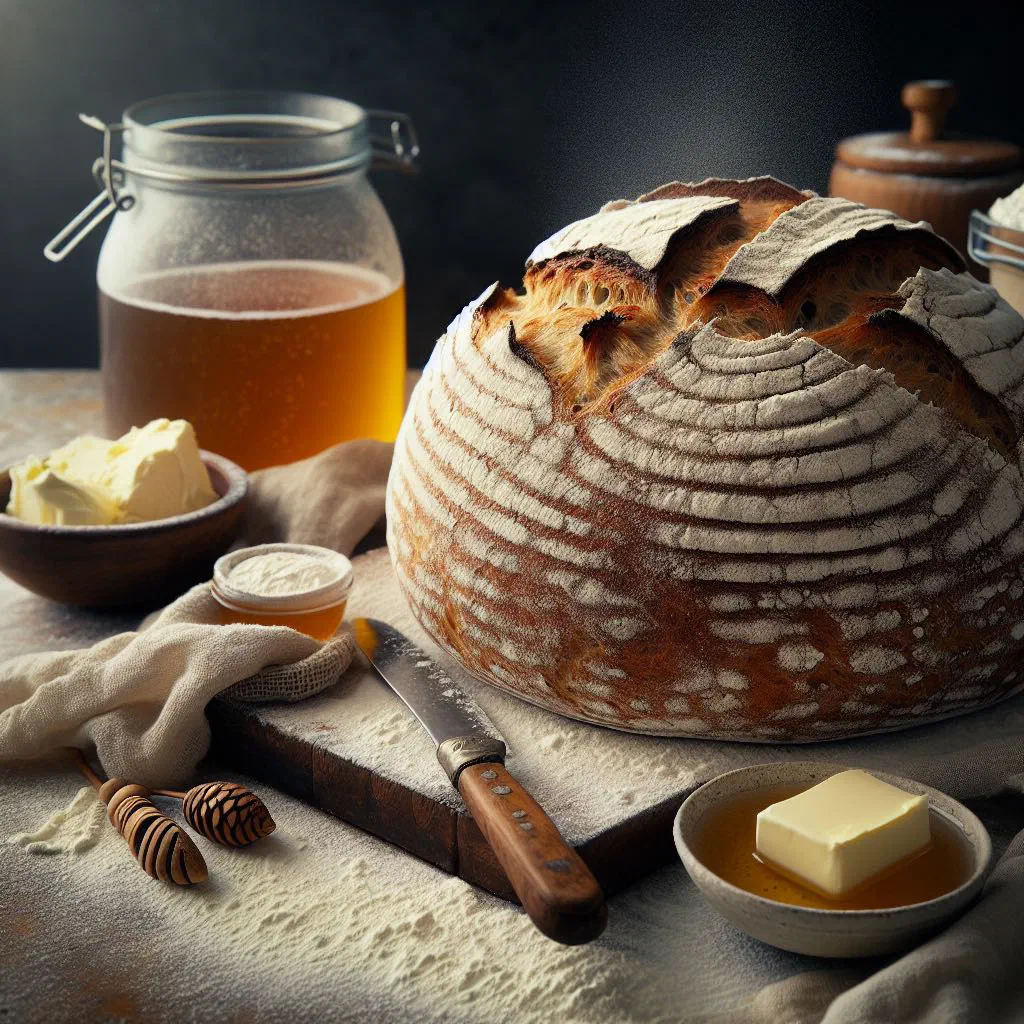
Meet Rewena Bread, a traditional New Zealand loaf raised with a bubbling starter made from fermented potato. Soft and airy inside, gently tangy and deeply savoury, it is the kind of bread that turns a simple meal into something memorable. Generations of Māori bakers have kept the method alive, and it is now finding admirers well beyond Aotearoa. Bake a loaf and bring a piece of New Zealand culture into your own kitchen.
About Rewena Bread
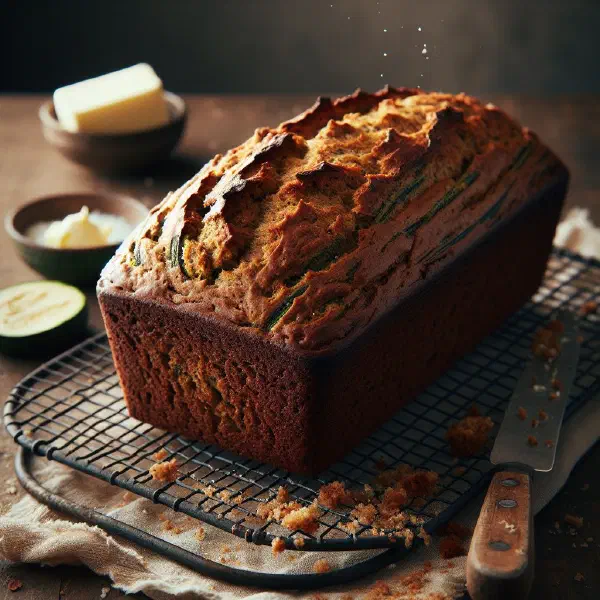
Rewena Bread is a traditional New Zealand bread made from a fermented potato dough. The loaf has a wonderfully fluffy crumb and a distinctive savoury tang that makes it a fine accompaniment to almost any meal. Baking rewena is something of an art form, one that has been passed down through generations, and it is currently enjoying growing popularity in kitchens around the world. Let this recipe inspire you and give the bread a place at your own table, perhaps alongside a hearty Boil Up.
Ingredients (serves 1–2)
- 2 cups water
- 1 cup potatoes, boiled and mashed
- 3 cups plain wheat flour
- 1–2 teaspoons salt
- 1 teaspoon sugar
- 1 sachet dried yeast
Shopping for the ingredients
When shopping for rewena bread, look for fresh potatoes of good quality, as they carry the character of the loaf. The flour should be as good as you can find, since it makes a noticeable difference to the finished crumb. Dried yeast is easy to work with and is stocked by almost every supermarket. A few items, speciality flours or organic potatoes, for example, may be worth seeking out at a specialist grocer or wholefood shop.
Preparing the dish
Preparation begins with the potatoes. Wash and peel them thoroughly, then cut them into evenly sized pieces so they cook at the same rate. Once they are soft, mash them to a smooth purée. Let the mash cool properly before it meets the other ingredients, if it is too hot, it will kill the yeast and the dough will never rise.
Step-by-step instructions
- Pour the water into a large bowl and dissolve the dried yeast and the sugar in it.
- Add the cooled mashed potato and stir well.
- Add the salt, then work in the flour a little at a time until you have a soft dough.
- Knead the dough on a floured surface for about 5–10 minutes.
- Return the dough to the bowl, cover it and leave it in a warm place for around an hour, until doubled in size.
- Preheat the oven to 180 °C and shape the dough into a loaf.
- Bake for 30–40 minutes, until golden brown and hollow-sounding when tapped underneath.
- Cool the loaf on a wire rack before slicing.
Gluten-free / lactose-free version
To make rewena bread gluten-free, use one of the ready-blended gluten-free flour mixes now sold in most supermarkets. Check that the yeast is gluten-free too, as some brands are processed alongside contaminated ingredients. A lactose-free version needs no changes at all: water and potatoes are naturally free of dairy. That makes it easy to serve a version of this loaf that almost everyone at the table can enjoy.
Tips for vegans and vegetarians
Rewena bread is naturally vegan and vegetarian, since it contains no animal products whatsoever. Do check, though, that your yeast and flour are free of animal-derived additives. For extra character, work herbs or spices into the dough before the first prove. This gives the bread a distinctive flavour and makes it that little bit more nourishing.
More tips and tricks
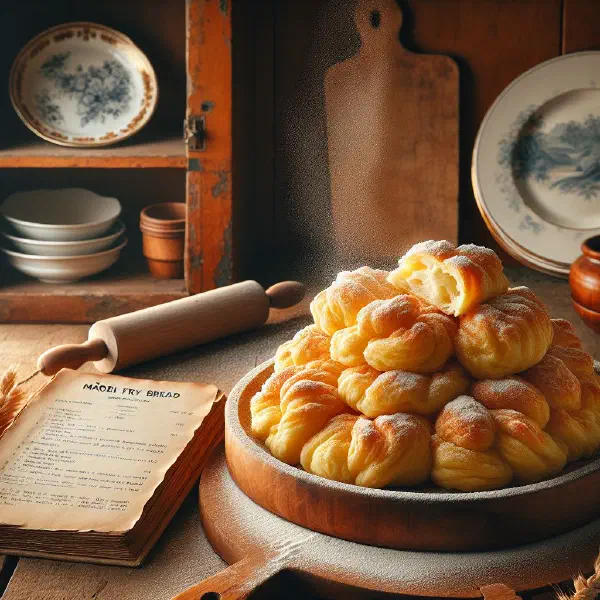
One of the most useful tips when baking rewena is not to over-knead the dough, so the crumb stays light and open. Getting the prove right matters just as much for the final texture. If you are making a large batch, divide the dough into smaller portions and freeze them. That way you always have fresh bread on hand, needing nothing more than a thaw and a bake. The same trick works nicely for Maori Fry Bread.
Adapting the recipe to your taste
Rewena bread is remarkably adaptable and easy to tailor to personal preference. Add your favourite vegetables or a handful of cheese to give the loaf an extra dimension. You might also try different flours to vary both texture and taste.
Ingredient substitutions
If some of the ingredients are not to hand, or you simply fancy a change, there are plenty of alternatives. Spelt or oat flour can stand in for wheat flour, and other root vegetables such as kumara work in place of ordinary potatoes, the same sweet-earthy note that shines in Kumara Soup. Swaps like these change not only the flavour but the nutritional profile of your rewena bread.
Drink pairing ideas
Plenty of drinks flatter rewena bread and pick up its savoury notes. A well-chilled New Zealand beer goes beautifully with the tang of the crumb. A fresh grape juice or a fruity smoothie makes an equally refreshing partner, and the classic Lemon and Paeroa is hard to beat for a local touch. Experiment a little to find the combination you like best.
Serving and presentation ideas
Presentation counts for a great deal when serving rewena bread. Cut the loaf into even slices and lay them out on a handsome wooden board. Dress the board with fresh herbs or fruity accompaniments to please the eye as well as the palate. Simple as it is, this way of serving turns the bread into a proper centrepiece.
A bit of history
Rewena bread has its roots deep in New Zealand culture and is a symbol of the country’s culinary history. It was originally made by the Māori, the indigenous people of Aotearoa, and has since become firmly established in New Zealand cooking. Baking it with potatoes reflects a clever adaptation to local resources and shows how closely culture and cuisine are bound together. Eating rewena is not only a pleasure but a taste of living history, one of the great staples of New Zealand cuisine.
More recipe ideas
Summary: Rewena Bread
Rewena bread is far more than a simple recipe; it is a piece of New Zealand culture on your plate. With its fluffy crumb and savoury depth, it is an ideal companion to countless dishes and a fine snacking loaf in its own right. Make it gluten-free or adapt it with ingredients of your own, the possibilities are close to endless. Give this recipe a go and taste New Zealand for yourself.