National Dish New Zealand: Rewena Paraoa (Recipe)
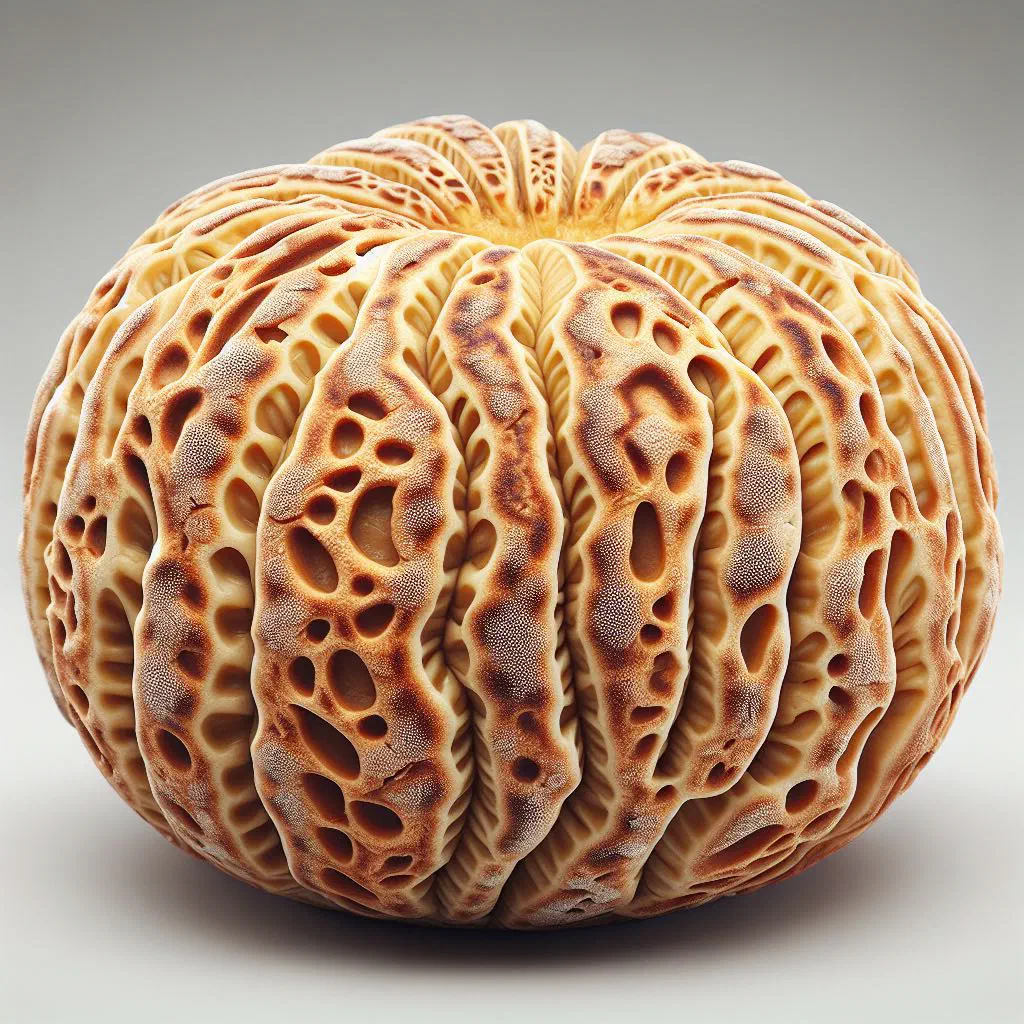
In this article
Meet Rewena Paraoa, New Zealand’s wonderfully aromatic Māori potato bread. Built on a naturally fermented potato starter, it bakes up light and airy with a gentle sourdough tang that sets it apart from any ordinary loaf. It is the kind of bread that turns a simple bowl of soup into a proper meal, yet it is just as good torn warm from the tin and eaten plain. A little patience is all this Aotearoa classic asks of you.
About Rewena Paraoa
Rewena Paraoa is a distinctive New Zealand potato bread made from a fermented potato dough. Its roots reach back to the Māori, who have long prized it for its deep, aromatic flavour. The fermentation is what gives the loaf its characteristically fluffy crumb and its lightly sour taste. Rewena Paraoa is not only a favourite companion to hearty dishes such as a traditional Boil Up. It is equally enjoyable eaten plain, which makes it a genuine must for food lovers.
Ingredients (serves 1–2)
- 500 g potatoes
- 1 teaspoon dried yeast
- 350 g flour (of your choice)
- 1 teaspoon salt
- 250 ml water
- 1 tablespoon sugar
- Optional: herbs of your choice
Shopping for the ingredients
The ingredients for Rewena Paraoa are easy to find in almost any supermarket. Do take care to choose fresh potatoes, since they form the entire foundation of the bread. For a gluten-free version you can reach for a gluten-free flour instead. Beyond that, adding special touches such as regional herbs is a simple way to give the loaf a personal signature.
Preparing the dish
Making Rewena Paraoa begins with choosing and cooking the potatoes. It is worth peeling them and cutting them into small pieces so they cook through more quickly. Once the potatoes are soft, mash them to a smooth purée and leave it to cool completely. This step matters more than it might seem: potatoes that are still hot will kill the yeast if the two are combined too early.
Step-by-step instructions
- Boil the peeled, diced potatoes in a pan of water until soft.
- Drain the potatoes and mash them, then leave to cool.
- Dissolve the yeast in warm water with the sugar and let it stand for 10 minutes.
- Combine the mashed potato with the yeast, flour and salt, then knead thoroughly.
- Leave the dough to rise in a warm place for 1–2 hours, until doubled in size.
- Transfer the risen dough to a tin and prove for a further twenty-five minutes.
- Bake in a preheated oven at 180 °C for about 30 minutes, until the loaf is golden brown.
Gluten-free / lactose-free version
Rewena Paraoa can also be made without gluten simply by using a gluten-free flour. The mashed potato keeps the bread very moist in any case, so most gluten-free blends will work well here. Avoid adding any lactose-containing ingredients and the loaf stays suitable for anyone sensitive to dairy too. Either way, the natural flavour of the Rewena Paraoa comes through unchanged.
Tips for vegans and vegetarians
Rewena Paraoa is naturally vegan, as it contains no animal products at all. Just check that the yeast and flour you use are also suitable for a plant-based diet. For extra flavour you can work in vegetables or herbs such as rosemary or garlic. A mixture like this brings taste and an appealing look and a few additional nutrients to the loaf.
More tips and tricks
To get the very best from your Rewena Paraoa, give the dough plenty of time to rise. That patience pays you back in both lightness and flavour. Experiment with baking time and temperature to find the setting that suits your own oven. It also helps to bake the loaf in the middle of the oven so it browns evenly all over.
Adapting the recipe to your taste
Rewena Paraoa is easily tailored to personal preference. For a sweeter result you can add extra sugar or a spoonful of honey. To take it in a more savoury direction, smoked paprika or cheese are excellent options, much like the ones that make Cheese Rolls such a favourite. Playing with different herbs and spices can also lead to unique flavours that suit your kitchen perfectly.
Ingredient substitutions
If you would rather not use ordinary flour, alternatives such as almond or coconut flour are worth considering. They will, however, affect the texture and taste of the bread, so it pays to try a few combinations. There are alternatives to the yeast as well, baking powder among them, although the results can vary quite a bit.
Drink pairing ideas
Rewena Paraoa goes beautifully with a wide range of drinks. For an authentically New Zealand combination, pour a glass of red wine, which harmonises nicely with heartier dishes, or choose a fresh fruit juice for a lighter lunch. A good herbal tea makes a patient companion at teatime and lifts the mood, while a chilled Lemon and Paeroa is the classic Kiwi choice. Experiment a little to find your own perfect match.
Serving and presentation ideas
To present Rewena Paraoa attractively, cut the loaf into even slices and serve it on a handsome wooden board or a rustic plate. Arrange a few dips or spreads alongside to complement the flavour of the bread. Fresh herbs used as a garnish add a pretty finish and catch your guests’ attention straight away. A creative presentation turns the meal into something genuinely memorable.
A bit of history
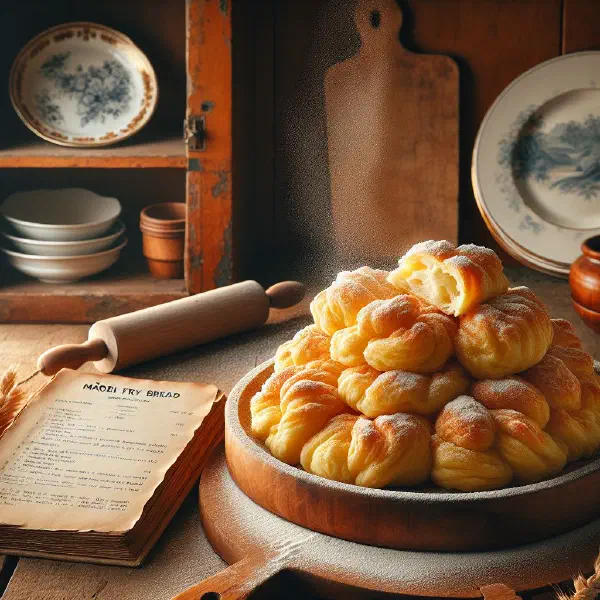
Rewena Paraoa has its roots deep in New Zealand culture and was traditionally prepared by the Māori. The combination of fermented potatoes and simple flour has survived the centuries and is still treasured today. Historically the bread was a nourishing and practical addition to many meals, the same everyday role played by Māori Fry Bread. Making and baking Rewena Paraoa represents not only a culinary tradition but an important part of New Zealand’s heritage.
More recipe ideas
Summary: Rewena Paraoa
In short, Rewena Paraoa is a perfect example of New Zealand cuisine and its commitment to fresh, simple ingredients. This potato bread appeals to with its light, fluffy texture and with how many ways it can be used. It is always a delicious choice. Let the straightforward method and the extraordinary flavour win you over, and bring a touch of New Zealand into your own kitchen.