National Dish Nicaragua: Helado de Coco (Recipe)
In this article
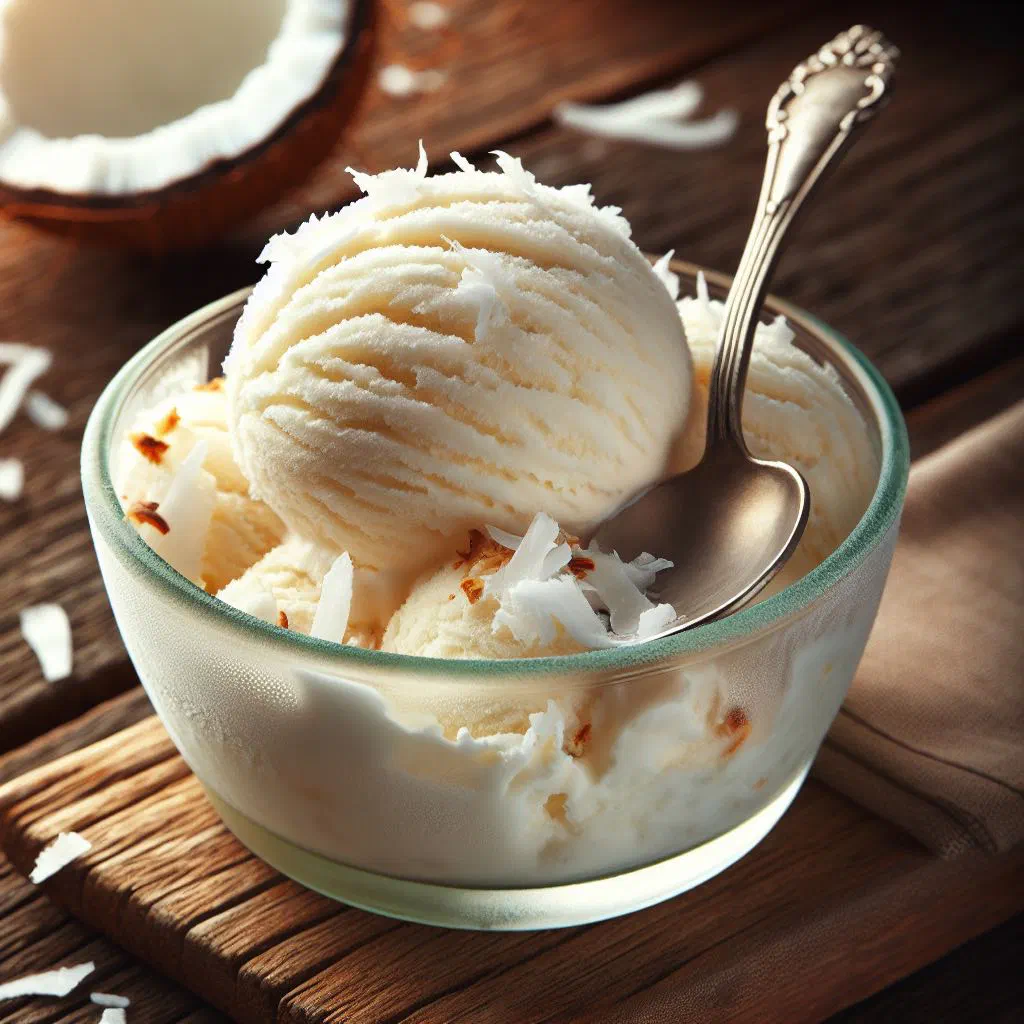
Meet Helado de Coco, Nicaragua’s beloved coconut ice cream and the perfect antidote to a sweltering afternoon. Made from little more than freshly grated coconut, coconut milk and sugar, it is astonishingly simple yet full of tropical character. The texture is silky, the flavour unmistakably nutty and sweet, and the whole thing comes together without an ice cream machine. One spoonful and you are transported to the Nicaraguan coast.
About Helado de Coco
Helado de Coco is the national dish of Nicaragua and wins hearts with its unmistakable coconut flavour. This refreshing ice cream is made from freshly grated coconut flesh, milk and sugar. Its creamy texture and tropical aromas make it a very good temptation that enchants the palate. Whether on hot summer days or for special occasions, Helado de Coco is always a treat.
Ingredients (serves 1–2)
- 1 cup freshly grated coconut
- 1 cup coconut milk
- 1/2 cup sugar
- 1/2 teaspoon vanilla extract (optional)
- 1 pinch of salt
Shopping for the ingredients
The ingredients for Helado de Coco are available in most supermarkets or Asian grocery shops. Look out for fresh coconuts or good-quality coconut milk to get the very best flavour. If you have the chance, use freshly grated coconut, as it carries far more aroma than the dried version. The sugar should be fresh too, so that the sweetness stays even throughout.
Preparing the dish
Before you start making Helado de Coco, it is important to have all your ingredients to hand. If you are working with fresh coconuts, you will first need to open them and grate the flesh. Alternatively you can use coconut flakes, but make sure they are unsweetened so you keep control over how sweet the ice cream turns out. Set out a suitable bowl for the mixture and remember to have a mould or container ready for freezing.
Step-by-step instructions
- In a bowl, combine the grated coconut with the coconut milk, sugar, vanilla extract and a pinch of salt.
- Stir the mixture thoroughly until the sugar has dissolved completely.
- Transfer the mixture into a suitable ice cream mould or container.
- Freeze for at least 4–6 hours, until the ice cream is firm.
- Let it stand at room temperature for a few minutes before serving so it softens slightly.
Gluten-free / lactose-free version
Helado de Coco is naturally gluten-free and lactose-free, since it consists of nothing but coconut and coconut milk. That makes it an excellent choice for anyone with coeliac disease or lactose intolerance. Do keep an eye on the ingredients of your sugar if you follow a particular diet. With natural sweeteners such as stevia or agave syrup you can make the ice cream healthier still.
Tips for vegans and vegetarians
Helado de Coco is an outstanding choice for vegans, as it is entirely free of animal products. Do check, though, that the sugar you use is also vegan-friendly: some varieties are treated with caramel colouring that may contain animal derivatives. With this quick, plant-based ice cream, vegans can enjoy a delicious cool-down as much as anyone else.
More tips and tricks
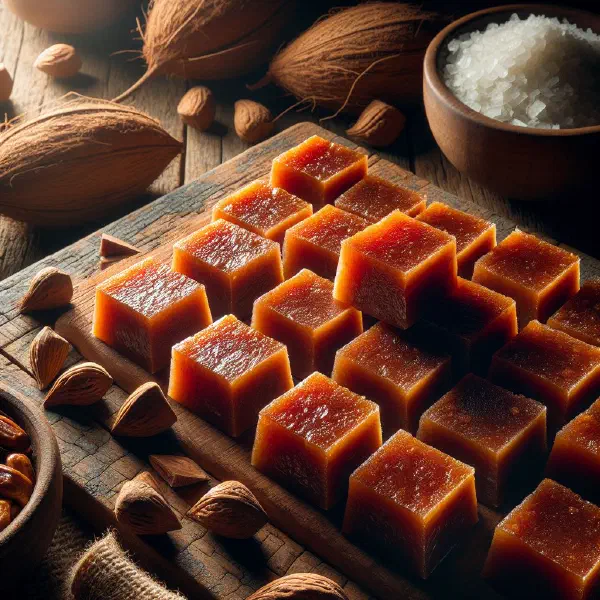
One of the best ways to make Helado de Coco more interesting is to experiment with the ingredients. Try folding in fresh fruit or combining it with chocolate to create new flavours. You can also pour an extra layer of coconut milk over the top before freezing. This creates an attractive visual element and adds another dimension of flavour, much as the coconut layers do in a rich Cajeta De Coco.
Adapting the recipe to your taste
The recipe for Helado de Coco is easy to tailor to personal preference. If you like things sweeter, simply add more sugar. For a more intense coconut aroma, use toasted coconut flakes. And if you fancy a nutty note, stir in some almond or cashew cream to vary the recipe and give it a new dimension.
Ingredient substitutions
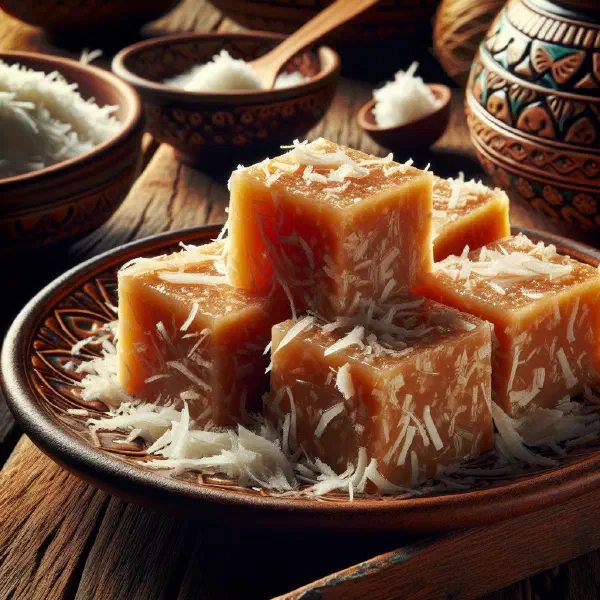
If you cannot find fresh coconut, freeze-dried coconut or unsweetened desiccated coconut will give you a similar texture and taste, the same pantry staples that go into Turron De Coco. For a creamier texture, try cashew milk or another plant-based milk alternative. Adjust the sweetness if necessary, particularly if you switch to a different type of sugar, as sweetness levels can vary.
Drink pairing ideas
Tropical drinks go especially well with Helado de Coco. Think piña colada or mango lemonade. For an even more refreshing combination, serve coconut water alongside, which underlines the coconut flavour of the ice cream. A tangy Zumo De Maracuya works beautifully too, and a light, crisp white wine complements the tropical aromas perfectly to round off the experience.
Serving and presentation ideas
To present Helado de Coco attractively, use transparent bowls or glasses that show off the ice cream’s lovely creamy texture. Garnish it with fresh fruit, mint leaves or toasted coconut flakes. A little chocolate or a fruit syrup makes a fine topping too, adding an elegant touch. This turns the dessert into something that is not only delicious but a pleasure to look at.
A bit of history
Helado de Coco originated in Nicaragua, where it is traditionally made in small family businesses. The use of coconuts reflects the tropical nature and culture of Central America. It is often served at festivities and on public holidays, which underlines the importance of this dessert in Nicaraguan society. Although the method has evolved over time, the affection for this classic of Nicaraguan cuisine remains unchanged.
More recipe ideas
Summary: Helado de Coco
Helado de Coco is a delicious, refreshing coconut ice cream that appeals to with its tropical aromas and creamy texture. It is simple to make and easy to adapt to all sorts of preferences. Helado de Coco is always a good call. Treat yourself to a scoop of this Nicaraguan classic on a hot day or for a special occasion.