National Dish Nicaragua: Indio Viejo (Recipe)
In this article
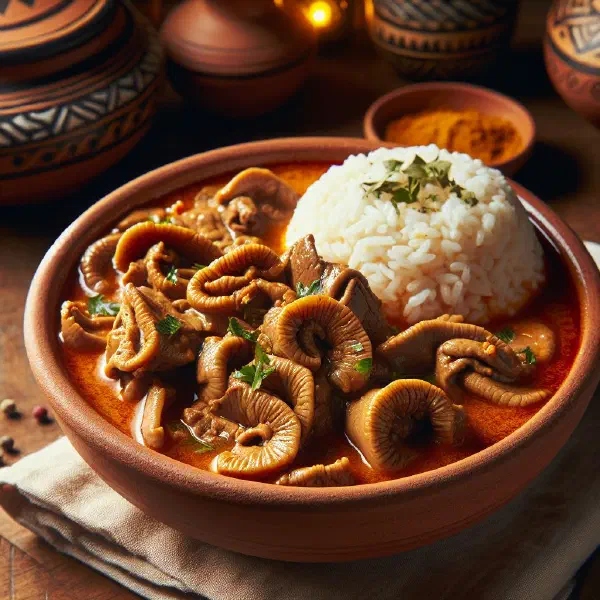
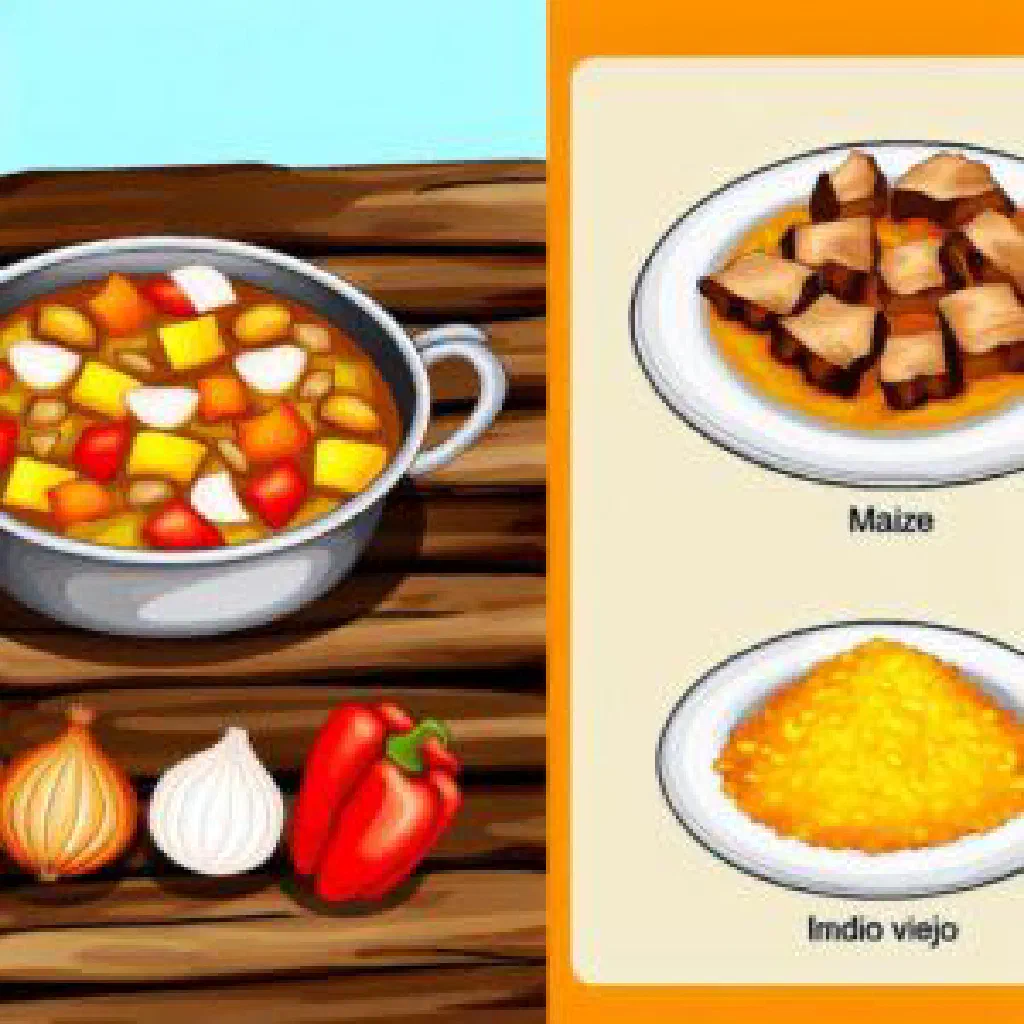
Meet Indio Viejo, the hearty pride of Nicaragua’s kitchens. Tender beef is simmered with tomatoes, peppers and a splash of freshly squeezed orange juice, then thickened with cornmeal until it turns rich and spoonable. Fresh herbs lift the whole thing at the last moment, and the result tastes of both indigenous tradition and Spanish influence. It is the kind of warming, generous bowl that fills a table and starts a conversation.
About Indio Viejo
Indio Viejo is a traditional dish from Nicaragua that stands out for its long history and its unmistakable flavour. Built from a blend of cornmeal, meat and fresh ingredients, it draws together a whole range of local aromas. As a national dish it pays tribute to Nicaragua’s cultural variety and culinary heritage, offering an unrivalled glimpse into the soul of Nicaraguan cooking. The combination of savoury beef and the gentle acidity of the orange juice marinade is what makes it so intensely flavoured and so appealing.
Ingredients (serves 1–2)
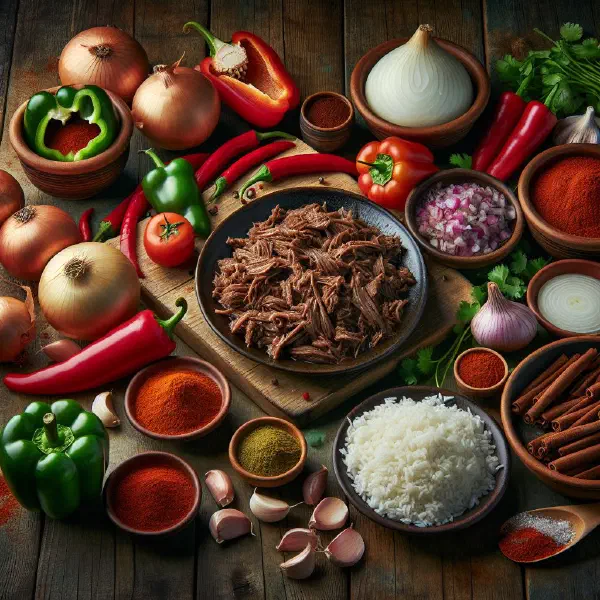
- 300 g beef, cut into small pieces
- 2 tablespoons vegetable oil
- 1 large onion, finely chopped
- 1 pepper, cut into strips
- 2 tomatoes, chopped
- 2 cloves of garlic, finely chopped
- 1 cup orange juice, freshly squeezed
- 2 cups chicken stock
- 1 cup cornmeal
- Fresh herbs (coriander or mint), chopped
- Salt and pepper to taste
Shopping for the ingredients
Quality and freshness are decisive for the flavour of Indio Viejo. Look for well-aged beef from a butcher you trust, and favour fresh, regional produce for the vegetables and herbs. The cornmeal should be finely ground, the same fine grind that gives Tortillas de Maiz Caseras their soft texture. When buying oranges, check that they feel heavy and juicy so you can coax as much freshness and flavour out of them as possible.
Preparing the dish
Efficiency and patience are the key components when making Indio Viejo. Marinate the meat in the orange juice beforehand for at least two hours to make it tender and aromatic. Make sure all the ingredients are washed, chopped and laid out before you start cooking, as this makes the whole process far easier to manage.
Step-by-step instructions
- Heat the oil in a large pot and brown the beef on all sides.
- Add the onion, pepper, tomatoes and garlic and sweat them until soft.
- Pour in the orange juice and let the meat simmer over medium heat until it is almost cooked through.
- Add the chicken stock and bring everything to the boil.
- Reduce the heat and slowly sprinkle in the cornmeal, stirring constantly to prevent lumps forming.
- Simmer until the mixture thickens and the meat is completely tender.
- Season with salt, pepper and the fresh herbs.
- Serve the dish piping hot.
Gluten-free / lactose-free version
Indio Viejo is naturally gluten-free as long as you use a certified cornmeal that has not been milled alongside wheat. The recipe contains no dairy at all, so it is lactose-free from the outset. No swaps required. If you serve it with bread on the side, reach for a gluten-free option so that everyone at the table can dig in without a second thought.
Tips for vegans and vegetarians
For a vegan version, replace the beef with mushrooms or firm jackfruit and use vegetable stock in place of chicken stock. Both take on the citrus marinade beautifully and keep the dish every bit as savoury. Check spice blends and stock cubes for hidden animal ingredients, and lean on fresh herbs to carry the flavour. A generous handful of coriander at the end does more for the bowl than any amount of extra seasoning.
More tips and tricks
The secret to a good Indio Viejo lies in patience and in constant stirring, which is how you achieve a creamy texture without a single lump. If the dish turns too thick, simply add a little more stock until you reach the consistency you want. Adding the cornmeal in a thin, steady stream rather than all at once makes a noticeable difference.
Adapting the recipe to your taste
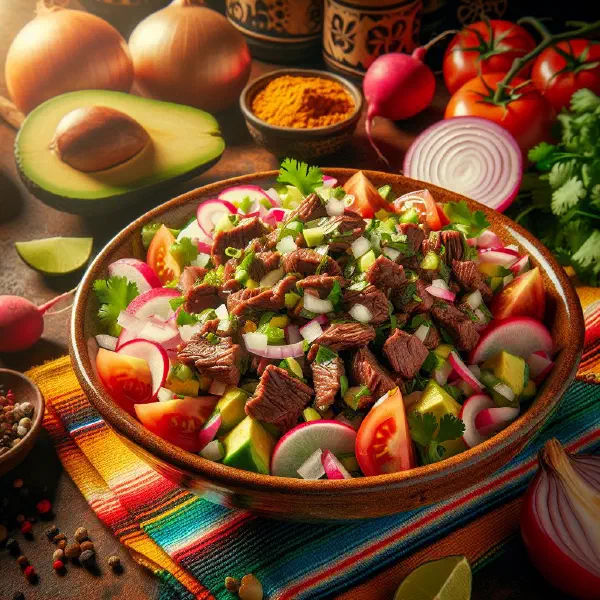
Indio Viejo is highly adaptable. You can use chicken instead of beef, for example, or create a vegetarian version with mushrooms. Feel free to experiment with different herbs to discover a new flavour profile. If you like a little heat, a finely chopped chilli stirred in with the garlic works well, much as it does in a plate of Carne Asada Con Tajadas.
Ingredient substitutions
If you have allergies or particular dietary needs, the cornmeal can be replaced with a gluten-free alternative. Vegetable stock stands in nicely for chicken stock to give a vegetarian or vegan version of the dish. Sour orange juice, the classic Nicaraguan choice, can be mimicked with a mix of orange and lime juice if you cannot find it fresh.
Drink pairing ideas
Traditionally Indio Viejo is enjoyed with a cool, not overly sweet fruit juice, a chilled Refresco De Tamarindo is a natural match. For anyone who prefers something alcoholic, a light, fresh white wine underlines the flavours of the dish nicely without competing with them.
Serving and presentation ideas
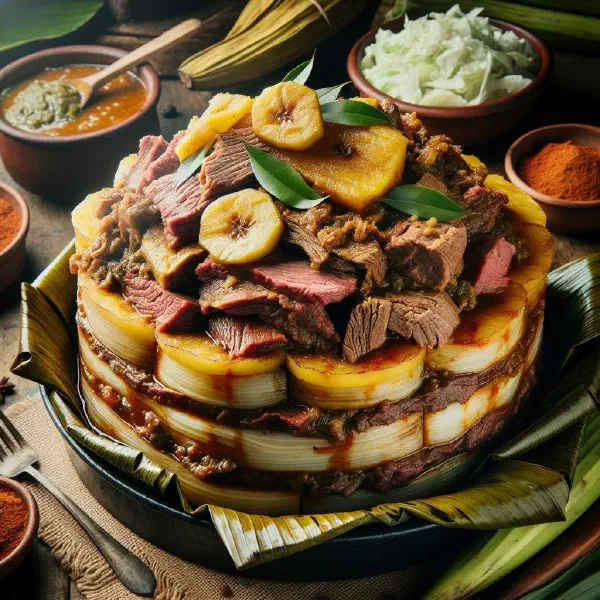
An attractive presentation of Indio Viejo is simple but effective. Serve it in a deep bowl and garnish with fresh herb leaves. A small dish of pickled onions or a wedge of lime on the rim of the plate adds a welcome flash of colour. A side of Tajadas De Platano rounds the plate out handsomely.
A bit of history
The roots of Indio Viejo can be traced back to pre-colonial times, when the indigenous people of Nicaragua prepared similar dishes from cornmeal and fresh ingredients. Today’s recipe mirrors the merging of indigenous and Spanish influences that have shaped Nicaraguan cuisine over the centuries. The name itself, “old Indian”, hints at the legends that surround its origins.
More recipe ideas
Summary: Indio Viejo
Indio Viejo is more than just a dish. It is a cultural experience that brings the flavours and traditions of Nicaragua to the plate. This recipe gives you the chance to cook a delicious, deeply traditional meal at home and share it with friends and family. Take your time with the cornmeal, be generous with the fresh herbs, and you will have a bowl that tastes genuinely Nicaraguan.