National Dish Nicaragua: Nacatamal de Chicharrón (Recipe)
In this article
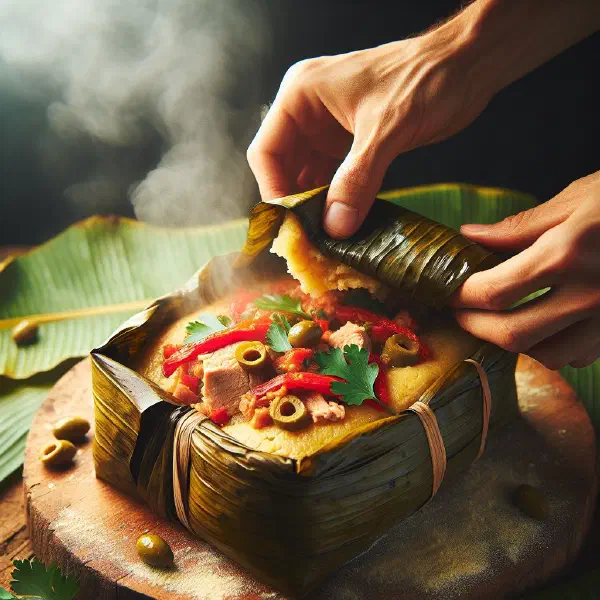
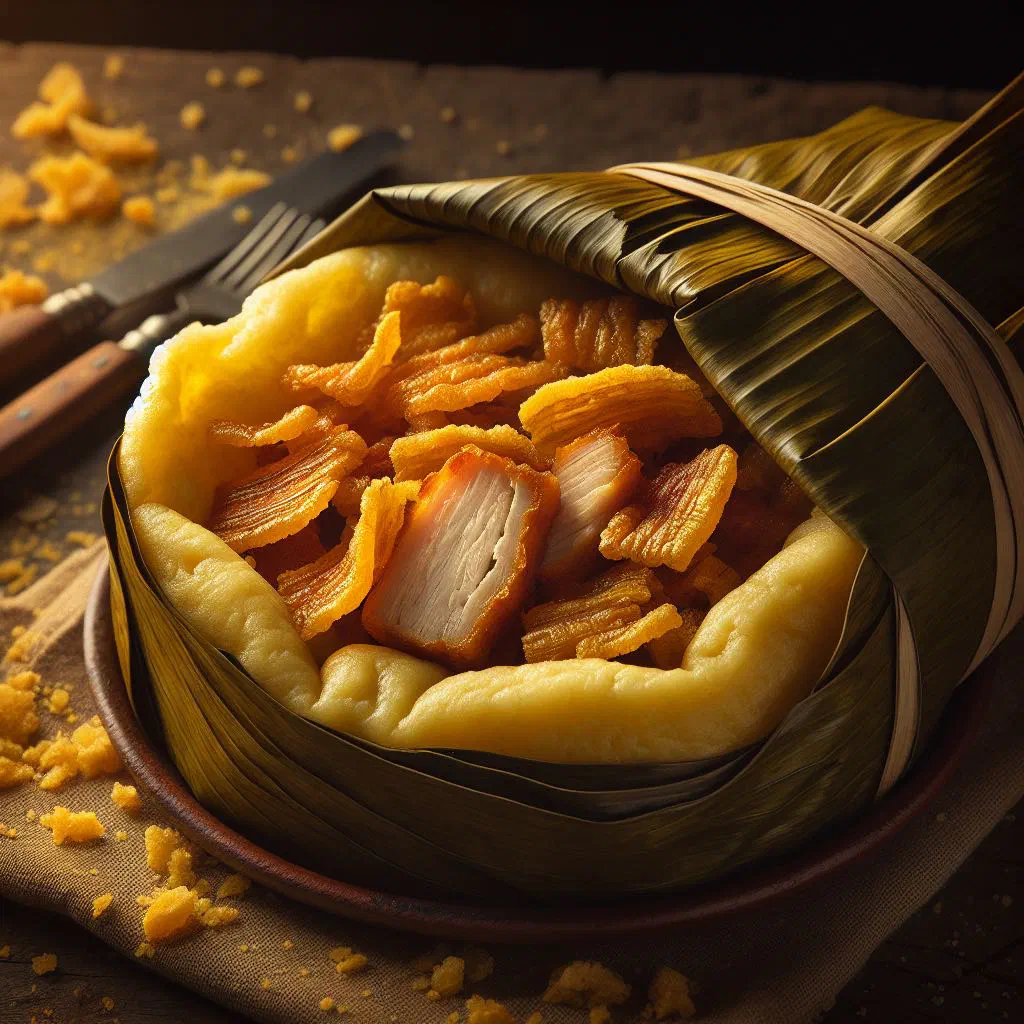
Discover Nacatamal de Chicharrón, the parcel of pure celebration that Nicaragua brings out whenever there is something worth marking. Tender pork, warm spices and soft maize dough are bundled into a banana leaf and steamed until every layer has soaked up the others’ flavour. Unwrapping one at the table is half the pleasure, the fragrant steam rising from the leaf is an invitation in itself. It is a dish built for sharing, and one that tastes of family, festivity and long, unhurried mornings.
About Nacatamal de Chicharrón
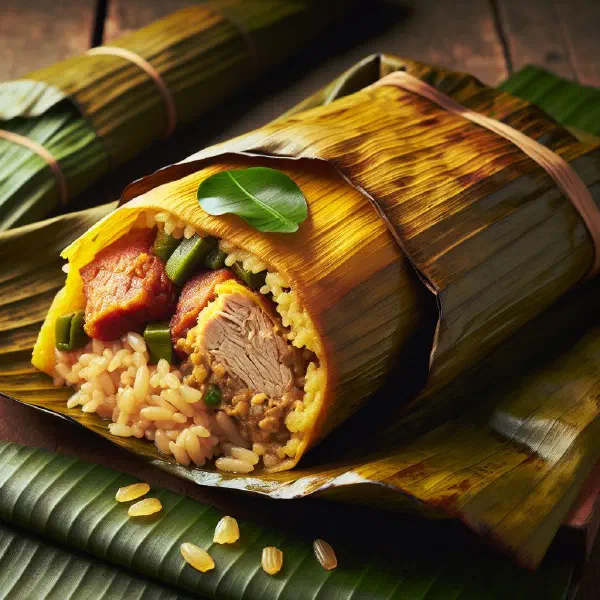
The Nacatamal de Chicharrón is a traditional Nicaraguan dish that wins people over instantly. These hearty stuffed parcels are a feast for the senses and an important part of Nicaraguan culture. They are usually served on special occasions and at celebrations, which has made them a symbol of togetherness and tradition. The combination of tender pork, warming spices and the enveloping maize dough creates a taste experience you will not find anywhere else.
Ingredients (serves 1–2)
- 250 g fresh pork (chicharrón)
- 1 cup masa harina (for the dough)
- 1 small onion, diced
- 1 garlic clove, chopped
- 1 teaspoon cumin
- 2 banana leaves (for wrapping)
- Salt and pepper to taste
- A little oil for frying
Shopping for the ingredients
When shopping for the ingredients for nacatamal de chicharrón, it is worth paying attention to quality. Fresh pork is the heart of the dish, so buy it from a butcher you trust. Masa harina, needed for the dough, is available in most supermarkets. Banana leaves are often found in Latin American grocers or at markets that stock exotic ingredients, the same shops that will supply you for a Vaho, which is likewise cooked in leaves.
Preparing the dish
Preparation is an important step in making sure the nacatamal de chicharrón turns out delicious. Begin by cutting the pork into small pieces and frying it in a pan with oil, onion and garlic. This gives the meat extra depth of flavour. While the meat is cooking, you can already mix the masa harina with water and seasoning to make the dough for the parcels.
Step-by-step instructions
- Cut the pork into small pieces and fry in a pan until golden brown and cooked through.
- Mix the masa harina thoroughly with water, salt and spices until you have a smooth dough.
- Warm the banana leaves briefly so they become pliable and easier to shape.
- Place a portion of dough on a banana leaf and flatten it, then add the filling on top.
- Wrap the banana leaves carefully around the dough and tie with kitchen string.
- Steam the nacatamales in a steamer for 1–2 hours.
Gluten-free / lactose-free version
The nacatamal de chicharrón is easily made gluten-free and lactose-free. Simply make sure the masa harina you use is certified gluten-free. Beyond that, the recipe naturally contains no dairy at all, so it suits anyone with a lactose intolerance perfectly. Do check any other additions you make, to be certain they are free from gluten and lactose too.
Tips for vegans and vegetarians
For vegan or vegetarian versions of the nacatamal de chicharrón, replace the pork with a hearty selection of vegetables and pulses. A mixture of black beans, sweet potato and spices works beautifully, and the same beans carry a Sopa de Frijoles. This filling stays every bit as tasty and nourishing. The banana leaves and the dough can remain exactly as they are, preserving the authentic character of the dish.
More tips and tricks
To get the best result from a nacatamal de chicharrón, give yourself plenty of time. The longer the meat marinates and cooks, the more aromatic it becomes. Wash the banana leaves thoroughly, as they can carry grit and dust. Experiment with different spices too, to create a flavour that is entirely your own.
Adapting the recipe to your taste
The recipe for nacatamal de chicharrón is easy to tailor to personal preference. If you like more heat, simply add chopped chillies to the filling. For a richer note, stir a little cheese into the mixture. Ultimately you can vary the ingredients however you wish, until the dish is exactly what your family and friends enjoy most.
Ingredient substitutions
There are several ingredient alternatives for the nacatamal de chicharrón. Instead of pork you can use chicken or turkey for a leaner version, much as you would for a Gallina Rellena. The masa harina can also be swapped for other flours, as long as they give a similar consistency. Bear in mind that the flavour will shift slightly, but it will still be delicious.
Drink pairing ideas
Excellent drinks pair with a nacatamal de chicharrón and lift its flavours. A freshly made lemonade or a cold beer are perfect companions. For a non-alcoholic option, serve it with fresh tropical fruit juices such as a Zumo de Maracuyá. Experiment with different combinations to find out what suits your taste best.
Serving and presentation ideas
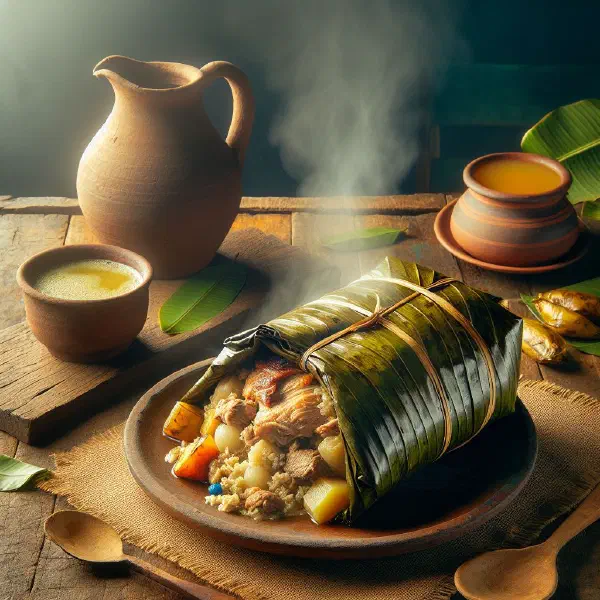
The presentation of a nacatamal de chicharrón can lift the whole dining experience. Serve the nacatamales on a large, handsome platter and garnish them with fresh herbs or a fiery sauce. This adds colour to the dish and makes it visually appealing. Use inventive serving ideas as well, a brightly coloured tablecloth beneath the parcels turns the table into a spread worth photographing.
A bit of history
The nacatamal de chicharrón has a history closely bound up with the culture of Nicaragua. Originally prepared by the indigenous peoples of Central America, it has developed over generations into part of Nicaragua’s cultural heritage. It is often made during holidays and family celebrations, and it symbolises the closeness between people. The variations and recipes change frequently from region to region, which reflects the diversity and richness of Nicaraguan cuisine.
More recipe ideas
Summary: Nacatamal de Chicharrón
In short, the nacatamal de chicharrón is a delicious, traditional dish that speaks to the palate and the heart alike. With its hearty filling and its distinctive method of preparation, it is an outstanding choice for festive occasions. Whether in its vegan or its classic form, this dish brings joy and culture to every table. Let its flavours and its history inspire you, and consider making it at home.