National Dish Nicaragua: Olla de Carne (Recipe)
In this article
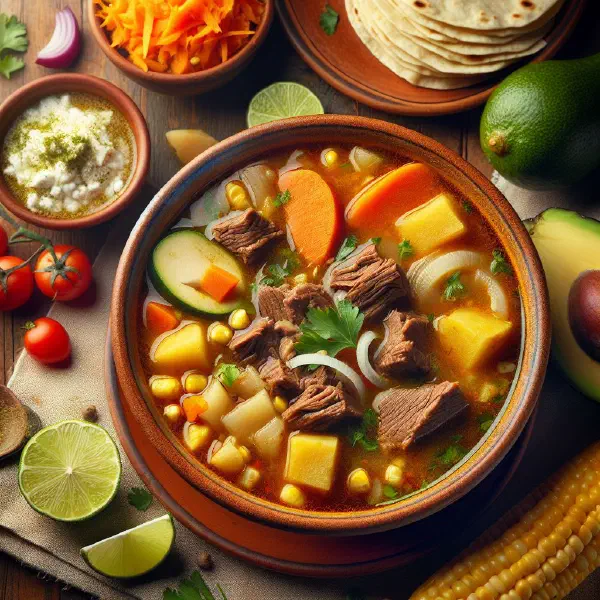
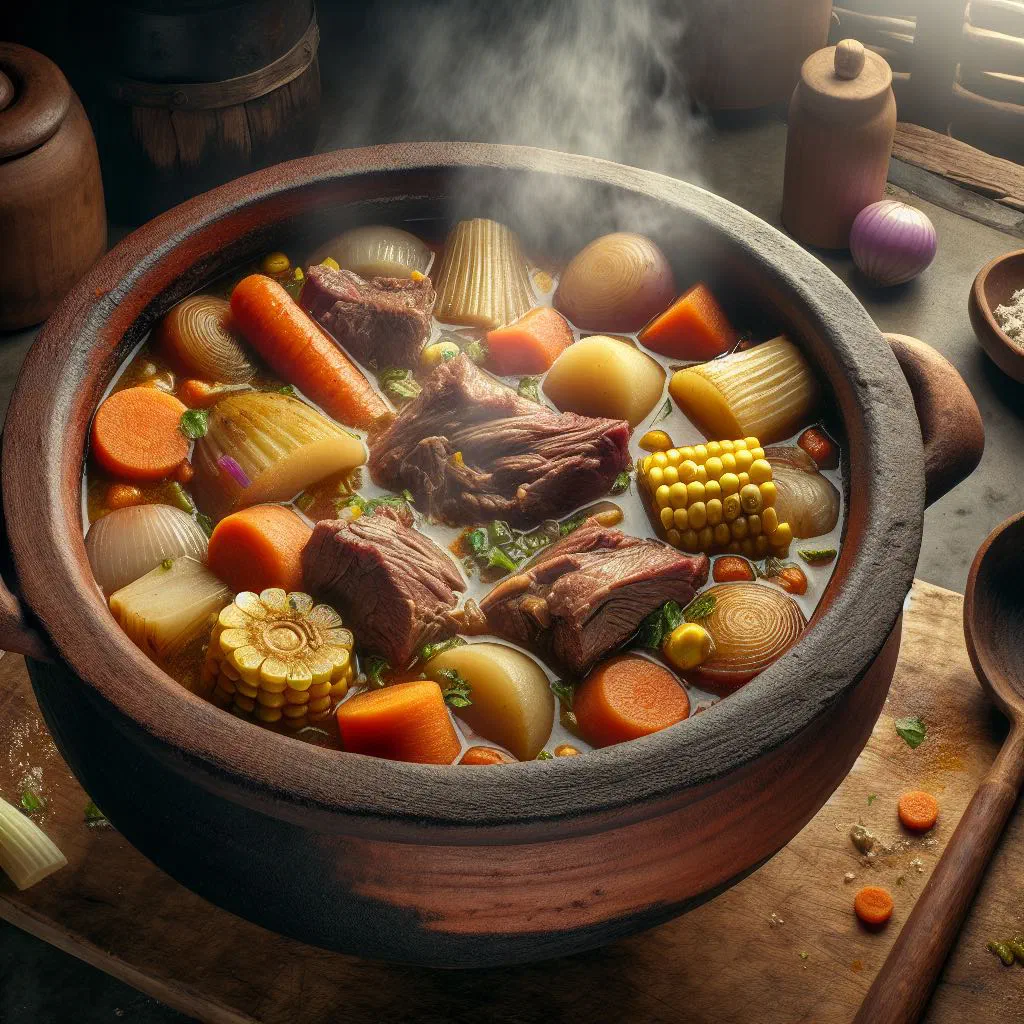
Meet Olla de Carne, the great slow-simmered beef pot that sits at the very heart of Nicaraguan home cooking. Tender chunks of beef mingle with sweet carrots, floury potatoes and a handful of warm spices until the broth turns deep and golden. It is the kind of soup that fills a kitchen with its aroma long before anyone sits down to eat, unhurried, generous and made for sharing with a crowd.
About Olla de Carne
Olla de Carne is more than a recipe; it is a culinary tradition that reflects the soul of Nicaragua. This hearty beef soup brings together meltingly tender beef and an armful of fresh, local vegetables. Aromatic spices give the dish its unmistakable character and a rich, appealing aroma that draws people to the table. From the very first spoonful you find yourself right in the middle of the Nicaraguan kitchen.
Ingredients (serves 1–2)
- 300g beef (shoulder works best)
- 2 potatoes, diced
- 2 carrots, sliced
- 1 onion, chopped
- 1 small pepper, diced
- 1 garlic clove, crushed
- 1 litre water or beef stock
- Salt and pepper to taste
- Fresh herbs (such as coriander or parsley), to garnish
Shopping for the ingredients
For olla de carne, freshness is everything. Visit a local market to track down good-quality beef and crisp seasonal vegetables. The selection of local spices and herbs in particular can make all the difference to the finished flavour. Do not be shy about chatting to the stallholders. They will happily point you towards the best cuts and the ripest produce.
Preparing the dish
Preparing olla de carne is mostly a matter of washing and cutting everything thoroughly. Start with the beef: cut it into even pieces so that it cooks at the same rate throughout. The vegetables need washing and chopping too, cut large enough that they do not collapse into the broth during the long simmer. Good groundwork makes the whole cooking process easier and keeps everything running smoothly.
Step-by-step instructions
- Heat a large pot and add the beef. Brown it for a few minutes until it takes on a little colour.
- Add the onion and garlic and fry until softened.
- Pour in the water or beef stock and bring everything to the boil.
- Once it is boiling, add the potatoes, carrots and pepper.
- Reduce the heat and let the soup simmer for around 1–1.5 hours, until the meat is tender.
- Season with salt and pepper and garnish with fresh herbs.
Gluten-free / lactose-free version
The good news is that olla de carne is naturally gluten-free and lactose-free. Just double-check that the stock you use contains no gluten-bearing ingredients. That makes this soup ideal for anyone managing a food intolerance. You can enjoy the authentic flavours without a second thought about your diet.
Tips for vegans and vegetarians
For a vegan or vegetarian take on olla de carne, swap the beef for plant proteins such as tofu or seitan. Use vegetable stock in place of beef stock to bring the flavours together. Add a wider spread of vegetables to build up texture and depth. Handled this way, the dish stays every bit as satisfying while remaining entirely plant-based.
More tips and tricks
The most common piece of advice for olla de carne is to let the soup simmer as slowly as possible. This is what makes the meat especially tender and gives the aromas time to unfold properly. Experiment with different vegetables and spices to bring the pot in line with your own preferences. Presentation counts as well, serve the soup in handsome bowls and finish with fresh herbs for an inviting look.
Adapting the recipe to your taste
If you like your food with a kick, add fresh chilli or a pinch of cayenne pepper to give olla de carne a spicier edge. Playing with different herbs opens up a whole new flavour profile, too. Thyme and lovage are both good options and intensify the aromas further.
Ingredient substitutions
If you do not have a particular ingredient to hand, olla de carne offers plenty of alternatives. Should beef not appeal, chicken or even fish works well, the same easy swap that suits a simple Sopa de Pollo. When it comes to vegetables there are no limits at all: use whatever the season offers, from yuca to plantain. Experimenting with different ingredients can deliver surprisingly delicious results.
Drink pairing ideas
Plenty of drinks pair happily with olla de carne and complement its savoury depth. A fresh, homemade fruit juice from tropical fruit such as mango or pineapple is a refreshing choice, much like a chilled Refresco de Tamarindo. Alternatively, a glass of red wine harmonises beautifully with the meat. For an alcohol-free option, a sparkling soft drink lightens the whole meal nicely.
Serving and presentation ideas
How you present olla de carne can shape the entire experience. Serve the soup in deep, colourful bowls and garnish with fresh herbs such as coriander or parsley. Consider a squeeze of lemon over the top to sharpen the aromas. And do not forget freshly baked bread or Tortillas de Maíz Caseras on the side. Perfect for mopping up every last drop of the broth.
A bit of history
Olla de carne has a long tradition in Nicaraguan cuisine and is a symbol of family and togetherness. Its roots reach far back, to a time when people cooked simple, hearty meat dishes with whatever vegetables grew nearby. Today it is not only a well-loved everyday meal but a fixture at celebrations and family gatherings. It embodies the warm hospitality for which Nicaragua is known.
More recipe ideas
Summary: Olla de Carne
In short, olla de carne is an indispensable dish in Nicaraguan cooking, as nourishing as it is flavourful. Making it calls for patience and a little love, and the reward is a delicious soup that draws family and friends together. Give it a try and let the many flavours of Nicaragua work their magic. Enjoy the warm hospitality tucked away at the very heart of this dish.