National Dish Nicaragua: Pescado en Escabeche (Recipe)
In this article
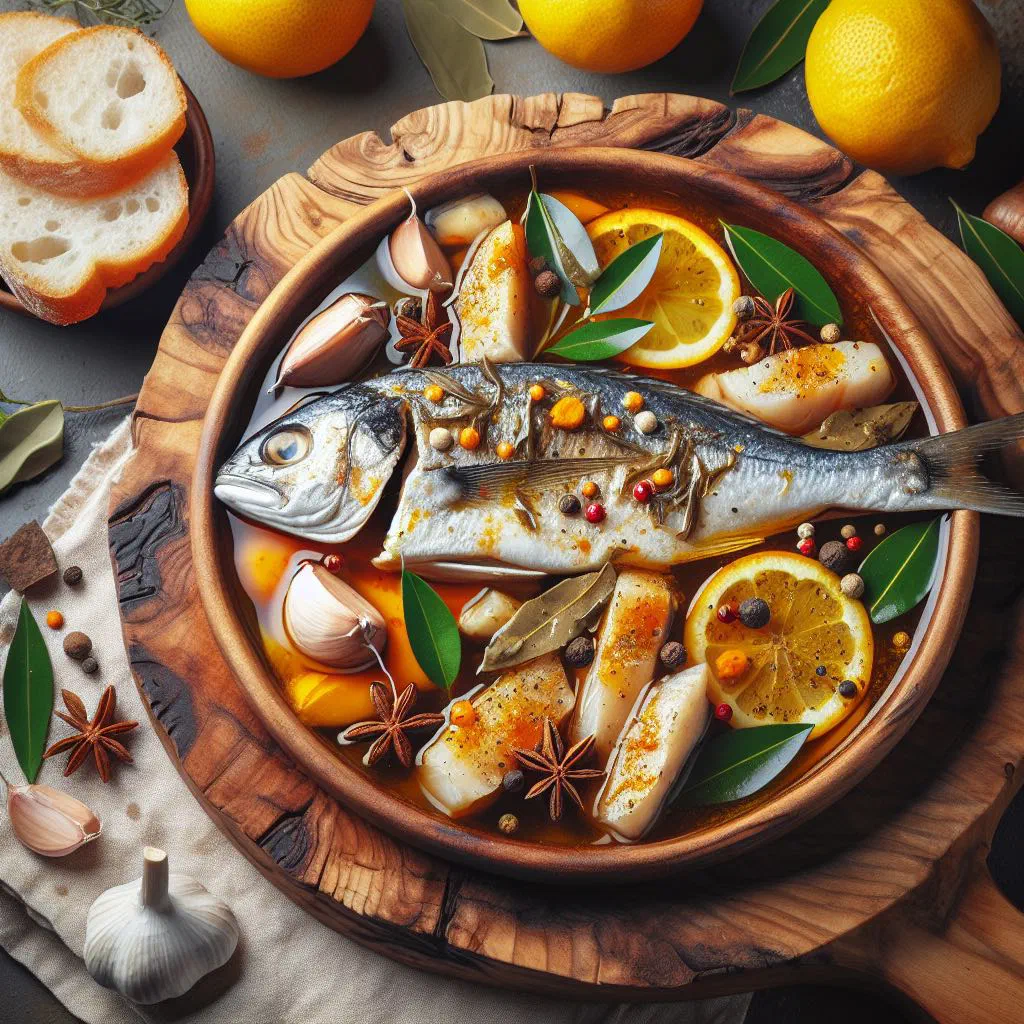
Discover Pescado en Escabeche, a Nicaraguan classic that turns fresh fish into something quietly spectacular. Fillets are gently poached in a tangy bath of vinegar, onions, carrots and oregano until the marinade works its way right through. Bright, sharp and deeply savoury, it is the sort of dish that tastes even better a few hours after cooking, which is exactly why it appears so often at celebrations along the Nicaraguan coast.
About Pescado en Escabeche
Pescado en Escabeche is a traditional dish from Nicaragua, known above all for its distinctive taste and its layered aromas. It consists of marinated fish prepared in a piquant sauce of vinegar, onions and spices. The dish is often served at festive occasions and is regarded as a wonderful way to make the most of fresh fish. The marinade does more than lend flavour. It also helps preserve the dish, a happy legacy of the days before refrigeration.
Ingredients (serves 1–2)
- 300 g fresh fish (tilapia or snapper, for example)
- 1 onion, thinly sliced
- 1 carrot, sliced
- 1/2 cup vinegar (white or cider)
- 1/4 cup water
- 2 garlic cloves, chopped
- 1 teaspoon oregano
- Salt and pepper to taste
Shopping for the ingredients
When shopping for the ingredients for pescado en escabeche, choosing fresh fish matters most. Visit a local fish market or a supermarket you trust to be sure the fish is of good quality. Alongside the fish, fresh vegetables and good spices are decisive for the success of the dish. Remember to pick up the vinegar and herbs you need as well, so the marinade can develop its full aroma.
Preparing the dish
Preparing pescado en escabeche involves a few steps, though all of them go quickly. First rinse the fish thoroughly and cut it into portions. Then prepare the onions and carrots by slicing them thinly. Good preparation makes the cooking process easier and ensures that every ingredient cooks evenly.
Step-by-step instructions
- Place the fish in a bowl and season with salt, pepper, oregano and garlic.
- Warm the vinegar and water in a pan and add the onions and carrots.
- Let the mixture simmer for about 5 minutes, until the vegetables have softened.
- Add the seasoned fish to the pan with the marinade and cook for 10–15 minutes, until the fish is cooked through.
- Take the dish off the heat and let it cool slightly before serving, so the flavours can settle.
Gluten-free / lactose-free version
Pescado en Escabeche is naturally gluten-free and lactose-free, which makes it a great choice for anyone with those intolerances. Even so, choose your ingredients carefully and avoid processed products that may contain hidden gluten. Concentrate on fresh, natural ingredients to enjoy the dish at its best. That way you can be sure the meal is both delicious and easy on the stomach.
Tips for vegans and vegetarians
There is a rewarding way to recreate pescado en escabeche for vegans and vegetarians. Instead of fish, use seitan or marinated tofu to achieve a similar texture and flavour. Vegetables such as courgette or aubergine are excellent alternatives too, and taste fantastic in the marinade. Adjustments like these let you tailor the dish to every palate without losing its character.
More tips and tricks
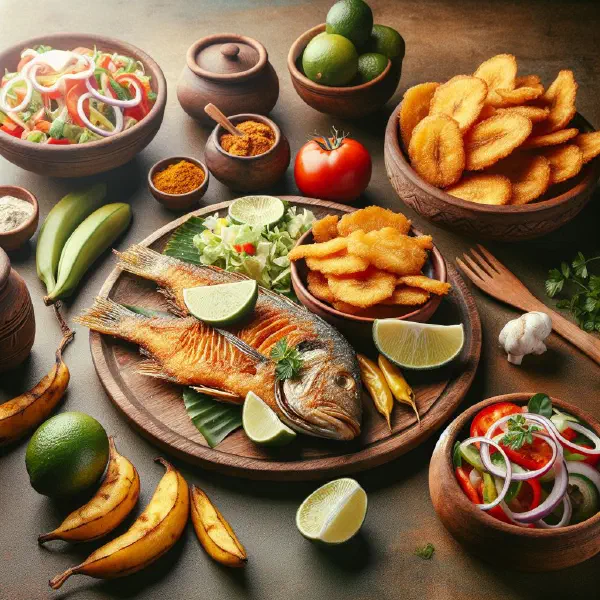
For an even deeper flavour, marinate the dish a few hours before serving. That gives the vegetables and fish time to soak up the aromas properly. Experiment with different herbs and spices to vary the marinade to your liking. Try adding a few chilli flakes, for instance, to give the dish a gentle kick, the same trick that lifts a plate of Pescado Frito.
Adapting the recipe to your taste
The recipe for pescado en escabeche is easily adapted to personal preference. Prefer it hotter? Add more spices and freshly ground pepper. If you like milder flavours, reduce the amount of vinegar or hold back on the seasoning. The range of regional and seasonal ingredients offers countless ways to shape the dish around your own taste.
Ingredient substitutions
If some ingredients are unavailable, or you simply fancy a change, pescado en escabeche varies easily. Use shallots or spring onions instead of regular onions for a different impression. Different vinegars are worth trying for the marinade too, cider vinegar brings a subtle sweetness, while balsamic or red wine vinegar gives the dish a deeper colour. A simply grilled fillet, as in Pescado a la Plancha, makes another fine base.
Drink pairing ideas
Refreshing drinks that complement the flavours suit pescado en escabeche best. A cool white wine or a crisp local beer make ideal companions. Fruit juices also harmonise beautifully with the tangy fish, especially citrus ones such as lime or orange. Experiment with different combinations to find your perfect pairing.
Serving and presentation ideas
Presentation can improve the pescado en escabeche experience considerably. Serve the dish on colourful plates and garnish it with fresh coriander or parsley. Adding lime wedges provides more than a splash of colour but also the chance to give the fish a fresh lift at the table. An attractive presentation makes the meal more inviting and special occasions more festive still.
A bit of history
Pescado en Escabeche has a long tradition in Nicaraguan cuisine. It was originally prepared by indigenous peoples who drew fresh fish from the surrounding waters. The technique of pickling and marinating was shaped by the Spanish colonisers and has established itself over the years as a much-loved dish. Today it is popular not only in Nicaragua but across many other Latin American countries.
More recipe ideas
Summary: Pescado en Escabeche
Pescado en Escabeche is a flavourful, traditional dish of Nicaraguan cooking that wins people over with its simple preparation and delicious aromas. With fresh fish, crisp vegetables and a piquant marinade, it is a treat for the palate and a lovely way to get to know Nicaraguan culture and cuisine. Whether for a special occasion or a relaxed evening meal, this dish is guaranteed to go down well. Let the many possible variations inspire you and enjoy cooking this culinary highlight.