National Dish Niger: Akpan (Recipe)
In this article
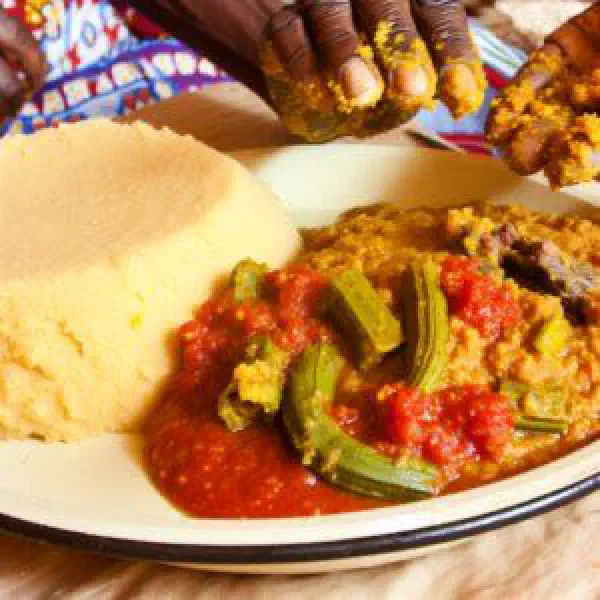
Meet Akpan, a traditional dish that showcases the culinary heritage of Niger in the most memorable way. Made from fermented maize or millet, it delivers a distinctive tang and a smooth, comforting texture you won’t find anywhere else. The fermentation gives Akpan its signature flavour and makes it wonderfully nourishing. It brings a genuine taste of West Africa straight to your table.
About Akpan
Akpan is a much-loved traditional dish that reflects the gastronomic richness of Niger in striking fashion. Made from fermented maize or millet, it offers an unmistakable combination of flavours and textures. The fermentation lends Akpan a unique taste and a rich nutritional profile. This culinary delicacy can be enjoyed both as a hearty main course and as a side alongside other dishes, making it as versatile as it is satisfying.
Ingredients (serves 1–2)
- 200 g fermented maize or millet
- 500 ml water
- 1 teaspoon salt
- 1 teaspoon oil (such as palm or olive oil)
- 2–3 spices of your choice (such as pepper, cumin or chilli)
Shopping for the ingredients
To prepare Akpan, it is important to buy the right ingredients. Fermented maize or millet can often be found in Asian or African grocery shops. Alternatively, you can look for these speciality ingredients online if they are hard to source locally. Take care to choose good-quality products, as this has a considerable influence on the flavour and the texture of the finished dish.
Preparing the dish
When preparing Akpan, it is important to check the fermented ingredients carefully. Rinse the fermented maize or millet well to wash away any excess fermentation residue. Then leave the ingredients to soak in water so they soften. These steps are essential to make sure the flavours come through at their best during cooking.
Step-by-step instructions
- Add the soaked fermented maize or millet to a pan along with the water.
- Stir in the salt and your chosen spices.
- Bring everything to the boil and let it simmer over medium heat.
- Stir regularly to prevent it from catching on the bottom.
- Cook the dish for about 20–30 minutes, until it reaches the consistency you like.
- Serve Akpan hot, garnished with a drizzle of oil or extra spices to taste.
Gluten-free / lactose-free version
Akpan is naturally gluten-free, since it is made from fermented maize or millet. That makes it an excellent choice for anyone with a gluten intolerance or coeliac disease. It is also naturally lactose-free, which puts it well within reach of vegans and those who are lactose intolerant. You can enjoy it in comfort, with no need to worry about allergic reactions.
Tips for vegans and vegetarians
Vegans and vegetarians will love tucking into Akpan, as the dish is entirely plant-based and contains no animal products. To make it even more varied, you can add mixed vegetables or plant-based protein such as beans or lentils. These additions enrich the dish in terms of nutrition and in texture and flavour. Experiment with different spices to create your own unique variations, much as you might with a bowl of Soupe De Haricots.
More tips and tricks
To get the very best from Akpan, it is worth using fresh ingredients and paying attention to the quality of your spices. If you prefer a sweeter dish, you can add a little honey or sugar. The consistency is easy to adjust too; simply add more water if you like a soup-like texture. Occasionally experimenting with different cooking methods, such as steaming or frying, can also lead to new and interesting flavours.
Adapting the recipe to your taste
Akpan is a very flexible dish that is easy to tailor to personal preference. You can use different kinds of spices and herbs to change the aroma. Add curry or ginger, for example, to give the dish an Asian note. Using stock instead of water can also improve the flavour considerably and lend extra depth to the finished result.
Ingredient substitutions
If fermented maize or millet is not available, you can swap it for other grains such as quinoa or risotto rice. The choice of spices can likewise be adjusted to suit availability and taste. One creative option is to replace the base with potatoes or sweet potatoes for a completely different flavour. Explore various combinations and don’t be afraid to try something new, the same spirit of experimentation that shapes dishes like Boule De Mil.
Drink pairing ideas
A range of drinks pairs nicely with Akpan and complements its flavours. Traditional regional drinks, such as cultured fruit juices, offer a fruity refreshment. For an alcoholic option, a light beer or a mild wine works well. The season can also play a part in your choice, perhaps something warming in winter and something refreshing in summer.
Serving and presentation ideas
The presentation of Akpan can be lifted considerably by scattering fresh herbs or colourful vegetables over the plate. Serve the dish in an attractive bowl that contrasts with the colours of the Akpan. Placing the dish in the middle of the table for sharing can also create a welcoming, festive atmosphere. Remember that the look of a dish matters every bit as much for the enjoyment of it.
A bit of history
Akpan has a rich historical background that is deeply rooted in the culture of Niger. The fermentation of maize and millet is an ancient tradition, allowing food to keep for longer while boosting its nutritional value. Akpan is often served at special occasions and celebrations, which underlines its importance as a piece of cultural heritage. This time-honoured method of preparation is passed down from generation to generation, preserving the culinary roots of the country and its wider Niger cuisine.
More recipe ideas
Summary: Akpan
Akpan is more than just a dish; it is a culinary discovery that embodies the culture of Niger. With simple yet nourishing ingredients, it offers endless scope for variation and adaptation. Suitable for both vegans and those with a gluten intolerance, it brings the heritage and tradition of Niger straight to your table. Give it a try and enrich your kitchen with this tasty and versatile dish.