National Dish Niger: Dambou (Recipe)
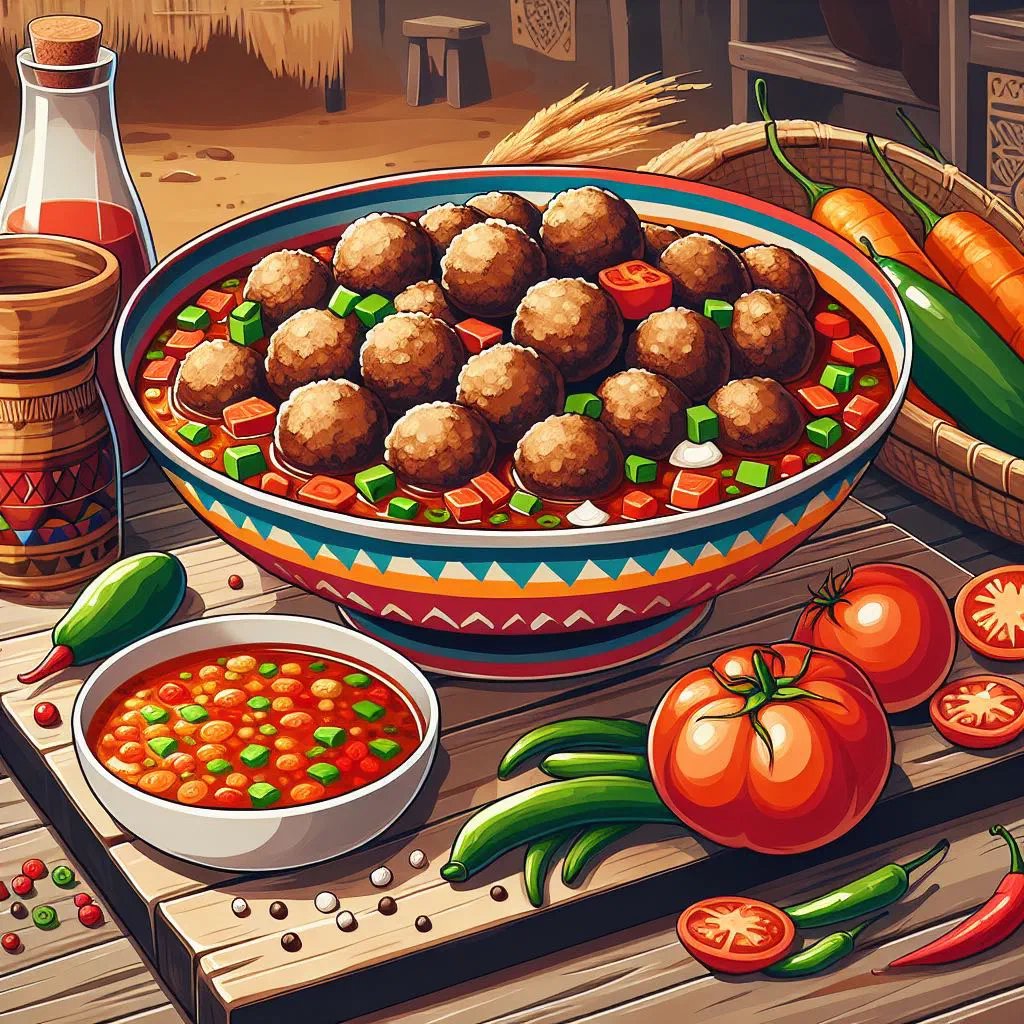
In this article
Meet Dambou, a wholesome millet dish that sits at the heart of Niger’s kitchen. It brings together a soft, comforting millet porridge and a colourful medley of gently spiced vegetables for a plate that is both nourishing and full of flavour. Simple to prepare yet endlessly adaptable, dambou makes just as much sense as a hearty main course as it does a generous side. Bring a taste of West Africa to your own table with this easy, satisfying recipe.
About Dambou
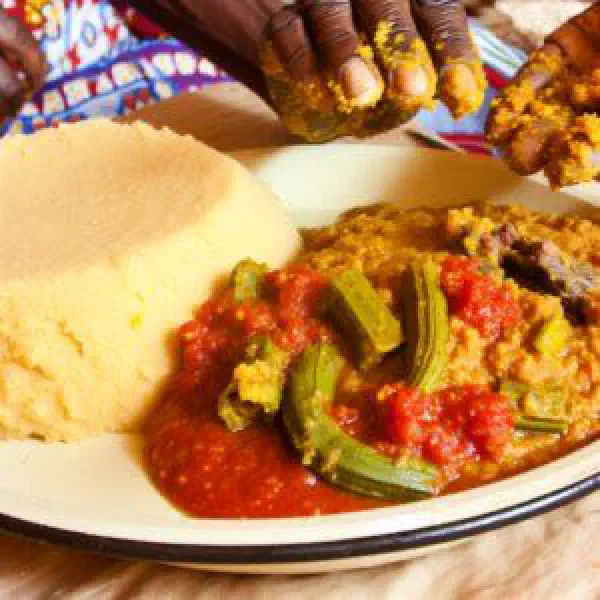
Dambou is a traditional dish from Niger, distinguished by its delicious pairing of millet porridge and a variety of vegetables. More than a simple delicacy, it reflects the rich culinary culture of the country. Preparing dambou calls for a fine balance between flavours and textures, and that balance is exactly what makes it such a treat.
Ingredients (serves 1–2)
- 200 g millet
- 1 onion
- 2 carrots
- 1 pepper
- 2 tablespoons vegetable oil
- Salt and pepper, to taste
- Spices (e.g. cumin, paprika)
Shopping for the ingredients
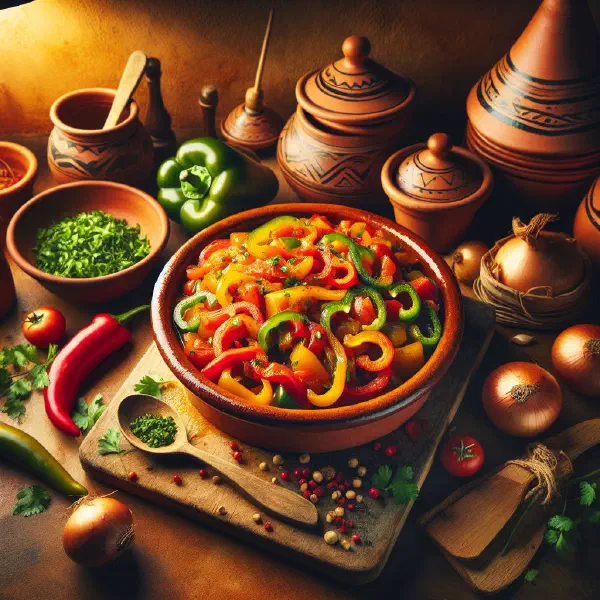
Making dambou calls for just a handful of easy-to-find ingredients. Millet is stocked by most supermarkets and health-food shops, while the other vegetables, onions, carrots and peppers, are usually available locally too. Choose fresh produce wherever you can to draw out the very best flavour, much as you would for a colourful Tchouktchouka.
Preparing the dish
Before you start cooking dambou, it is important to prepare all the ingredients thoroughly. Cut the vegetables into small dice so they cook evenly, and rinse the millet before use to wash away any impurities. Careful preparation makes the cooking process much smoother and adds to the overall quality of the finished dish.
Step-by-step instructions
- Bring the millet to the boil in a pan with twice its volume of water.
- Once boiling, reduce the heat and let the millet simmer for around 15 minutes.
- Heat the vegetable oil in a frying pan and cook the onions until translucent.
- Add the remaining vegetables and sauté briefly.
- Stir the seasoned millet through the vegetables and mix well.
- Season with salt, pepper and spices, then leave to rest for 5 minutes.
Gluten-free / lactose-free version
Dambou is naturally gluten-free, as millet is a gluten-free grain. For a lactose-free version, simply use vegetable oil in place of butter or dairy products. That keeps the dish suitable for every kind of diet, making it a wonderful option for anyone following a special eating plan who still wants plenty of flavour on the plate.
Tips for vegans and vegetarians
Dambou is naturally vegan and vegetarian, since it contains only plant-based ingredients. To boost its nutritional value, add extra pulses such as lentils or chickpeas. These deepen the flavour and contribute a good helping of protein. Reach for seasonal vegetables to make the most of that fresh, bright character.
More tips and tricks
A few simple touches can lift your dambou considerably. Fresh herbs such as coriander or parsley add an aromatic note, while experimenting with different spices lets you tune the dish to your own taste. The cooking time of the millet can vary too, depending on the texture you prefer, a little shorter for a fluffy porridge, a little longer for a creamy one.
Adapting the recipe to your taste
Dambou is easy to shape around personal preference. If you like a bit of heat, add some chilli or hot paprika. For a sweeter version, a pinch of sugar or a little honey helps bring the flavours together harmoniously.
Ingredient substitutions
There are plenty of ways to swap out particular ingredients in dambou. Instead of millet you might use quinoa or rice, depending on your preference or what is to hand, the same grain-friendly approach that works so well in a Couscous de Mil. If vegetables are not your thing, try dried fruit or nuts for a heartier flavour. Different oils can also be used to vary the texture.
Drink pairing ideas
Many drinks pair nicely with dambou and round out the eating experience. A fresh mint water offers a cooling note that suits the dish well. For those who enjoy a glass of something alcoholic, a light white wine makes an excellent choice. Fruity smoothies, or plain water with a squeeze of lemon, are equally refreshing companions.
Serving and presentation ideas
Thoughtful presentation can add a great deal to the dambou experience. Serve the dish in a large bowl and garnish with fresh herbs for a lively look. You might also arrange different vegetables artfully to create a striking colour contrast. A simple, colourful table setting with a few bright details helps to complete the picture.
A bit of history
Dambou has its roots in the traditional cuisine of Niger, where millet is a staple food. The way it is made is often handed down from generation to generation, making the dish part of the cultural heritage. It represents the diversity of African cooking and shows how food can nourish and bring people together. Enjoy this dish and immerse yourself in the fascinating flavours of Niger’s cuisine.
More recipe ideas
Summary: Dambou
Dambou is a simple, tasty dish and a window into Niger’s rich cultural tradition. With its nourishing base of millet and the versatility of vegetables and spices, it is a firm favourite for many. It adapts easily to different preferences and suits a whole range of diets. Give dambou a try at home and enjoy the flavours of Africa.