National Dish Niger: Wara (Recipe)
In this article
Meet Wara, a traditional dish from Niger made from chickpea flour and often likened to tofu. This protein-rich delicacy is as nourishing as it is versatile, brought to life with warming spices and fresh herbs that turn every bite into a genuine treat. It is a firm favourite among vegetarians and anyone keen to discover new and exciting flavours, and it carries the honest, hearty character of West African home cooking.
About Wara
Wara is a traditional dish from Niger, made from chickpea flour and frequently described as a kind of tofu. This protein-rich delicacy is nourishing and remarkably versatile. Wara is typically finished with aromatic spices and fresh ingredients, which make it a real flavour experience. It is especially popular with vegetarians who want to discover new and exciting dishes to add to their table.
Ingredients (serves 1–2)
- 200 g chickpea flour
- 200 ml water
- 1 small onion, finely chopped
- 1–2 cloves garlic, crushed
- 1 tsp cumin
- 1 tsp paprika
- Salt to taste
- Vegetable oil, for frying
- Fresh herbs (such as parsley or coriander)
Shopping for the ingredients
The ingredients for wara are easy to find in most well-stocked supermarkets or in specialist Middle Eastern shops. Chickpea flour is the essential component and can also be picked up in health-food stores. Fresh herbs such as parsley or coriander give the dish an extra aromatic lift that makes the flavour even more exciting. Take care to choose good-quality spices so the full aroma can come through.
Preparing the dish
Preparing wara begins with mixing the ingredients. The chickpea flour is worked together with water, onion, garlic and spices to form a batter. This batter should have a smooth consistency that holds together well. It is important to let the batter rest for around 15 minutes before frying, so the flavours have time to develop fully.
Step-by-step instructions
- In a bowl, mix the chickpea flour thoroughly with the water, onion, garlic and spices.
- Leave the batter to rest for about 15 minutes.
- Heat the oil in a pan. Using a spoon, drop small portions of the batter into the pan.
- Fry the wara until golden brown and crisp on both sides.
- Garnish with fresh herbs and serve warm.
Gluten-free / lactose-free version
Wara is naturally gluten-free when you use chickpea flour that has not been cross-contaminated. There are many gluten-free alternatives to conventional flours that you can use to adapt the dish. Wara is also free from lactose, which makes it an ideal choice for anyone with an intolerance. Just be sure to pick gluten- and lactose-free options for the remaining ingredients too.
Tips for vegans and vegetarians
Wara is perfect for vegans and vegetarians, as it uses only plant-based ingredients. To make the dish even more nourishing, you can fold extra vegetables such as spinach or grated carrot into the batter. These additions boost the nutrients and improve the colour and the flavour. Experiment with different spices to tailor the dish to your own preferences.
More tips and tricks
To make wara even tastier, serve it with a selection of dipping sauces, such as a fiery chilli sauce or a yoghurt dip (use a plant-based yoghurt if you prefer). Another tip is to bake the dish in the oven for a lower-fat version. The batter can also be frozen and used at a later date, which makes preparation easier. You can vary the recipe too, trying out different herbs and spices each time, much like the aromatic seasonings that shine in Suya.
Adapting the recipe to your taste
The beauty of wara lies in its versatility. You can adjust the spices and ingredients entirely to your personal taste. Add hot paprika for a spicy kick, for instance, or use different herbs to vary the flavour. The consistency can be adapted to your liking too, simply by adding a little more or less water. Give your creativity free rein and experiment with different combinations, as you might with a hearty bowl of Soupe De Haricots.
Ingredient substitutions
If you do not have chickpea flour to hand, you can also use other bean flours, such as soya flour or lentil flour. These options are equally rich in protein and offer an interesting variation in flavour. When it comes to the spices, feel free to experiment and reach for local seasonings you already have in the house. Be bold and try new combinations to create your very own version of wara.
Drink pairing ideas
A range of drinks makes a good match for wara. A refreshing mint tea goes beautifully with the dish’s aromatic notes. Alternatively, you could offer fresh fruit or a smoothie to round out the flavours. A light beer can be an interesting addition too, particularly when you are enjoying the meal in good company. The right drink can enrich the whole dining experience.
Serving and presentation ideas
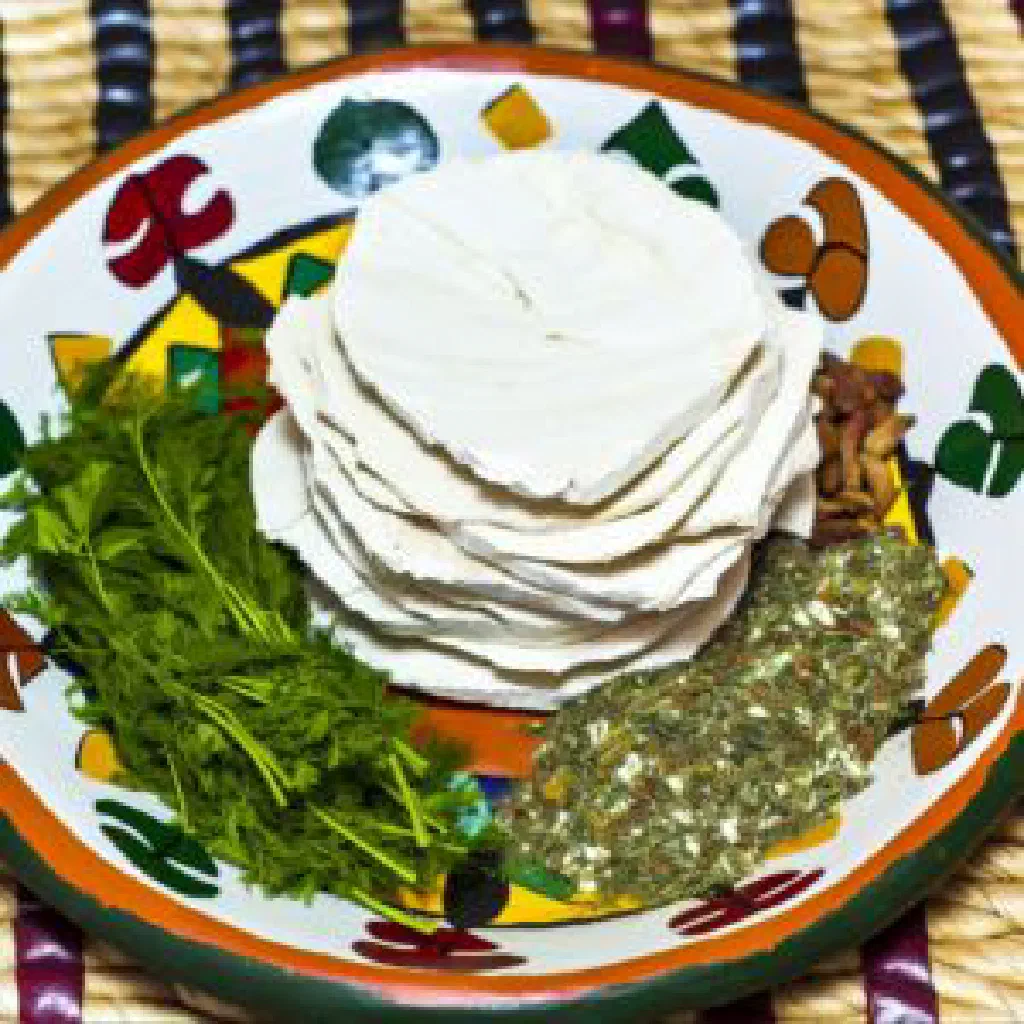
Presentation plays an important part in serving wara attractively. Arrange the wara on a colourful plate and garnish with fresh herbs to add colour and freshness. A few slices of fresh vegetables around the dish can round off the overall look. Do not forget to serve everything neatly arranged to elevate the whole dining experience, and be sure to serve it warm so the full flavour comes through.
A bit of history
Wara has a long history in Nigerien cooking and has been prepared for generations. It is a piece of cultural heritage that reflects the traditions of Niger. Chickpea flour, the main ingredient of wara, has been used in African cooking for centuries and is regarded as exceptionally nourishing. It is said that the method of preparation and the spices used vary from region to region, giving each version its own distinctive character within the wider tapestry of Niger cuisine.
More recipe ideas
Summary: Wara
Wara is a delicious and nourishing dish that suits vegetarians and vegans and everyone eager to discover new flavours. With its simple preparation and flexible ingredients, you can experiment freely to match your own taste. Whether as a snack or a main course, wara is a truly hearty experience from Niger that is well worth trying. Let the variety of Nigerien cooking inspire you.