National Dish Nigeria: Afang Vegetable Stew (Recipe)
In this article
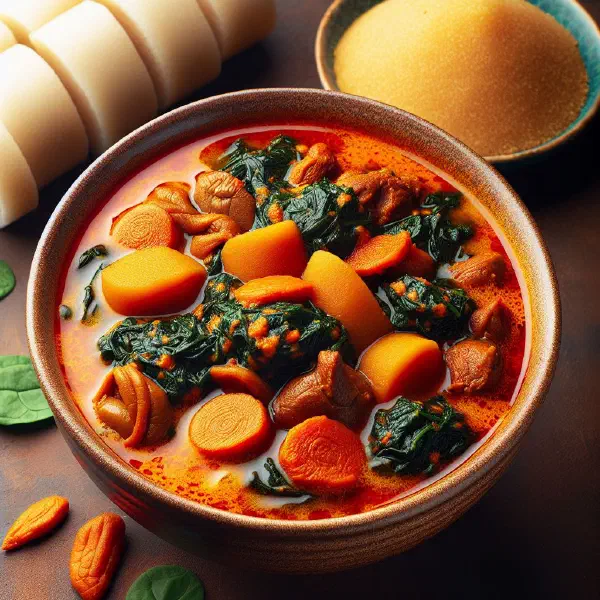
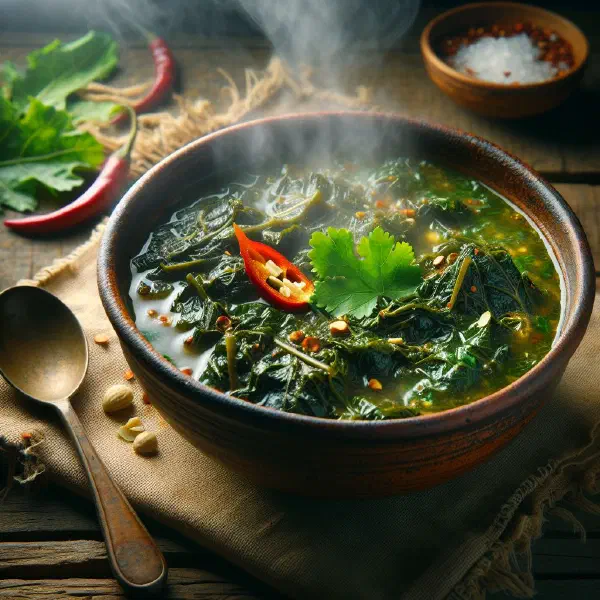
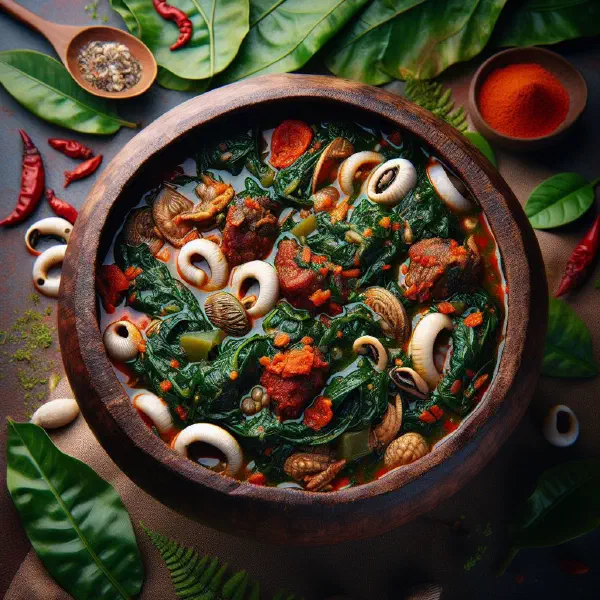
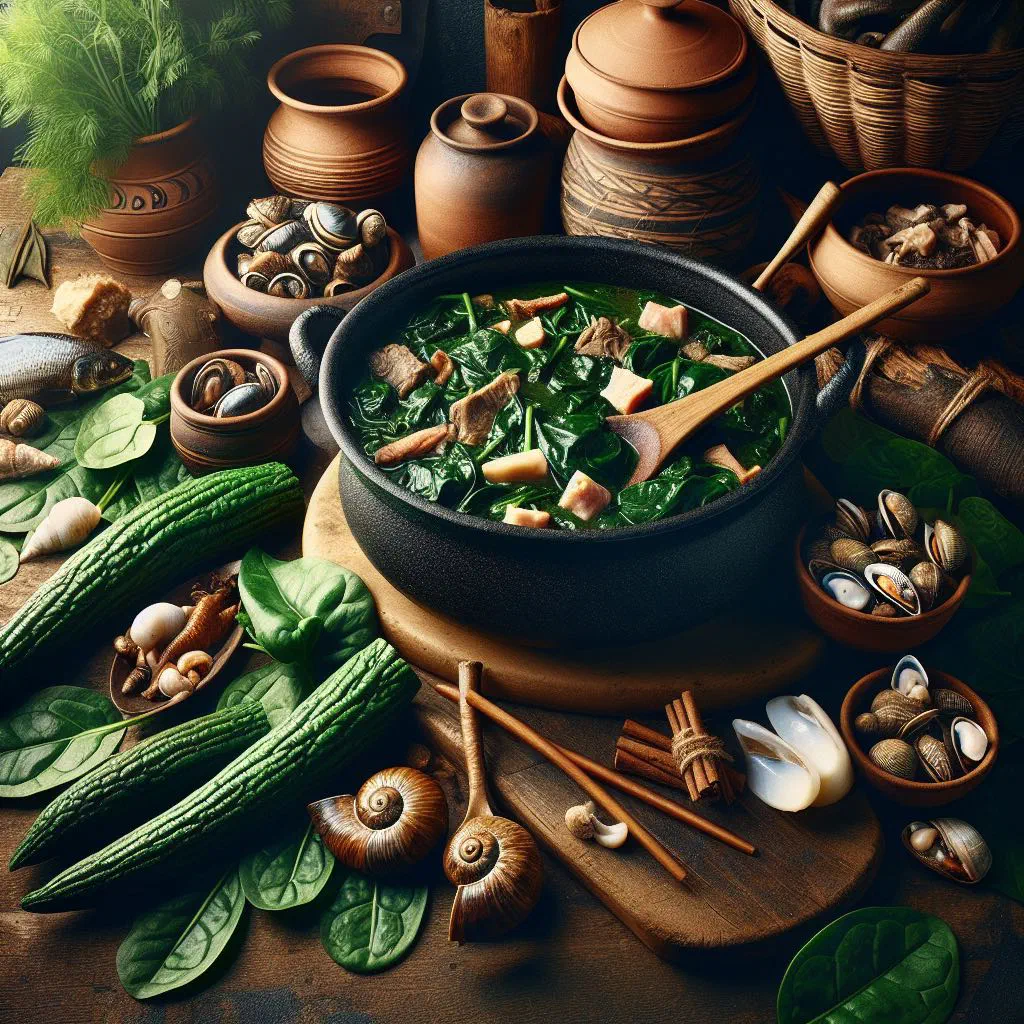
Discover Afang Vegetable Stew, one of Nigeria’s most cherished celebration dishes. This hearty, richly coloured stew brings together tender leafy greens, savoury meat and the deep warmth of palm oil for a bowl that is as comforting as it is bright. Traditionally the star of weddings, birthdays and festive gatherings, it offers a wonderful taste of Nigerian home cooking. Perfect for any occasion when you want to bring people together around the table.
About Afang Vegetable Stew
Afang Vegetable Stew is a classic of Nigerian cooking, celebrated for its hearty flavours and its generous use of fresh ingredients. Its main component is the afang leaf, also known simply as the native vegetable, which grows widely across Nigeria. The dish reflects the country’s culture and traditions, and it is often the centrepiece of festive tables. Whether at weddings, birthday celebrations or holidays, Afang stew brings people together and offers a real insight into Nigerian cuisine.
Ingredients (serves 1–2)
- 200g afang leaves or spinach
- 150g meat (such as beef or chicken)
- 1 onion
- 3 large tomatoes
- 1 pepper
- 2–3 cloves of garlic
- Ginger (to taste)
- 1–2 tablespoons palm oil
- Spices (to taste)
- Salt and pepper
Shopping for the ingredients
To make Afang stew, you will want high-quality, fresh ingredients. Look for an Asian supermarket or an Afro-Caribbean grocery to track down the afang leaves or a suitable alternative such as spinach. When buying the meat, choose fresh, sustainably produced cuts to guarantee the best flavour. It is also worth picking up your spices from a specialist shop to achieve authentic Nigerian aromas.
Preparing the dish
Preparing Afang stew is straightforward and involves a few basic steps. Begin by washing and chopping the vegetables so everything is ready when it is time to cook. The onion, garlic and ginger should be finely chopped to build an aromatic base. The meat can be cut into small pieces and marinated to deepen the flavour.
Step-by-step instructions
- Heat a few tablespoons of palm oil in a large pot and fry the chopped onion until it turns translucent.
- Add the meat, brown it and season with salt and pepper.
- Add the chopped tomatoes, pepper, garlic and ginger to the pot and let everything simmer over medium heat.
- Once the meat is cooked through, add the leafy greens and continue cooking until they are tender.
- Serve the stew hot with a side dish of your choice.
Gluten-free / lactose-free version
Afang stew is naturally gluten-free and lactose-free, which makes it a great choice for anyone with these intolerances. Simply make sure the ingredients you use, including the spices and oils, contain no hidden sources of gluten or lactose.
Tips for vegans and vegetarians
Vegans and vegetarians can adapt Afang stew easily by swapping the meat for plant-based proteins such as tofu or seitan. These alternatives are rich in nutrients and a wonderful complement to the fresh greens. You can also prepare the broth from vegetables alone to make the stew even more flavoursome. Just be sure to check that every ingredient you use is genuinely vegan.
More tips and tricks
One of the best ways to elevate Afang stew is to add fresh herbs such as parsley or coriander, which lend the dish an extra layer of flavour. Adjusting the spices to your own taste can also turn it into a truly distinctive meal. If you like things fiery, simply add more chilli powder or fresh chillies. Experimenting with different ingredients helps you find the perfect recipe for your preferences.
Adapting the recipe to your taste
The beauty of Afang stew lies in its versatility. You can adjust the ingredients and spices to suit yourself. If you would like a less meat-heavy version, increase the amount of vegetables or add extra pulses such as chickpeas or lentils. Should certain ingredients prove hard to find, do not be afraid to get creative. Seek out local alternatives and develop your own unique version, much like the flexible approach behind a good Efo Riro.
Ingredient substitutions
For some of the harder-to-find ingredients there are delicious alternatives that keep the dish just as tasty. If afang leaves are not available, spinach or chard works well in their place, the same leafy approach that shines in Ugu Soup. As a meat substitute, seitan or tempeh slots in beautifully.
Drink pairing ideas
Afang stew pairs well with light drinks such as fresh fruit juices or sparkling drinks. A refreshing ginger tea or a cold beer can also make wonderful companions. For an authentic Nigerian experience, try a sweet soft drink or a traditional malt drink like a Zobo Drink.
Serving and presentation ideas
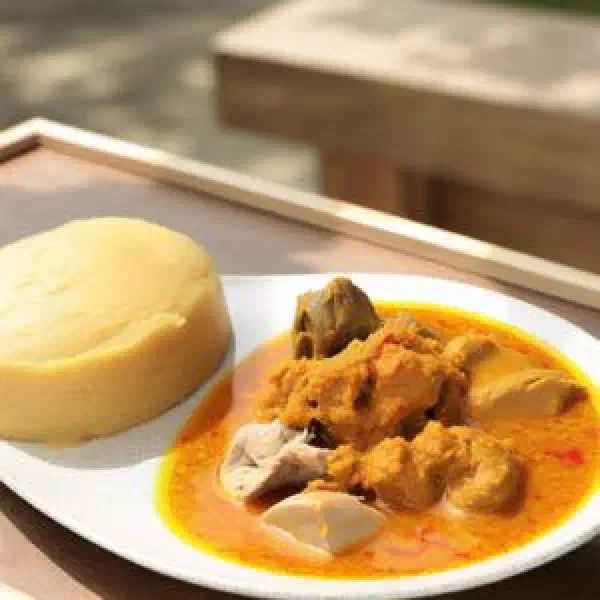
The presentation of Afang stew can shape the whole dining experience. Serve the stew in a large, colourful bowl to let the bright colours of the ingredients shine. Garnish the dish with freshly chopped herbs and serve it alongside rice or a piece of bread, or a scoop of Pounded Yam. An attractive arrangement on the plate turns the meal into a feast that will pleasure your guests too.
A bit of history
Afang stew is a festive dish and an important part of Nigerian culture. Its roots reach deep into the country’s history and traditions, and it is often seen as a symbol of hospitality and community. Many families have their own recipes, passed down from generation to generation. The act of cooking and sharing this food brings people together and fosters connection across cultural boundaries. It sits proudly among the many treasures of Nigerian cuisine.
More recipe ideas
Summary: Afang Vegetable Stew
Afang Vegetable Stew is a delicious and nourishing dish of Nigerian cuisine, offering both traditional flavours and a wealth of healthy ingredients. Its versatility and adaptability make it an ideal dish for celebrations and special occasions. Vegetarian or a devoted meat lover, this dish can easily be prepared to suit your needs and taste preferences. Let the world of Nigerian cooking sweep you away and enjoy a piece of African tradition.