National Dish Nigeria: Banga Stew (Recipe)
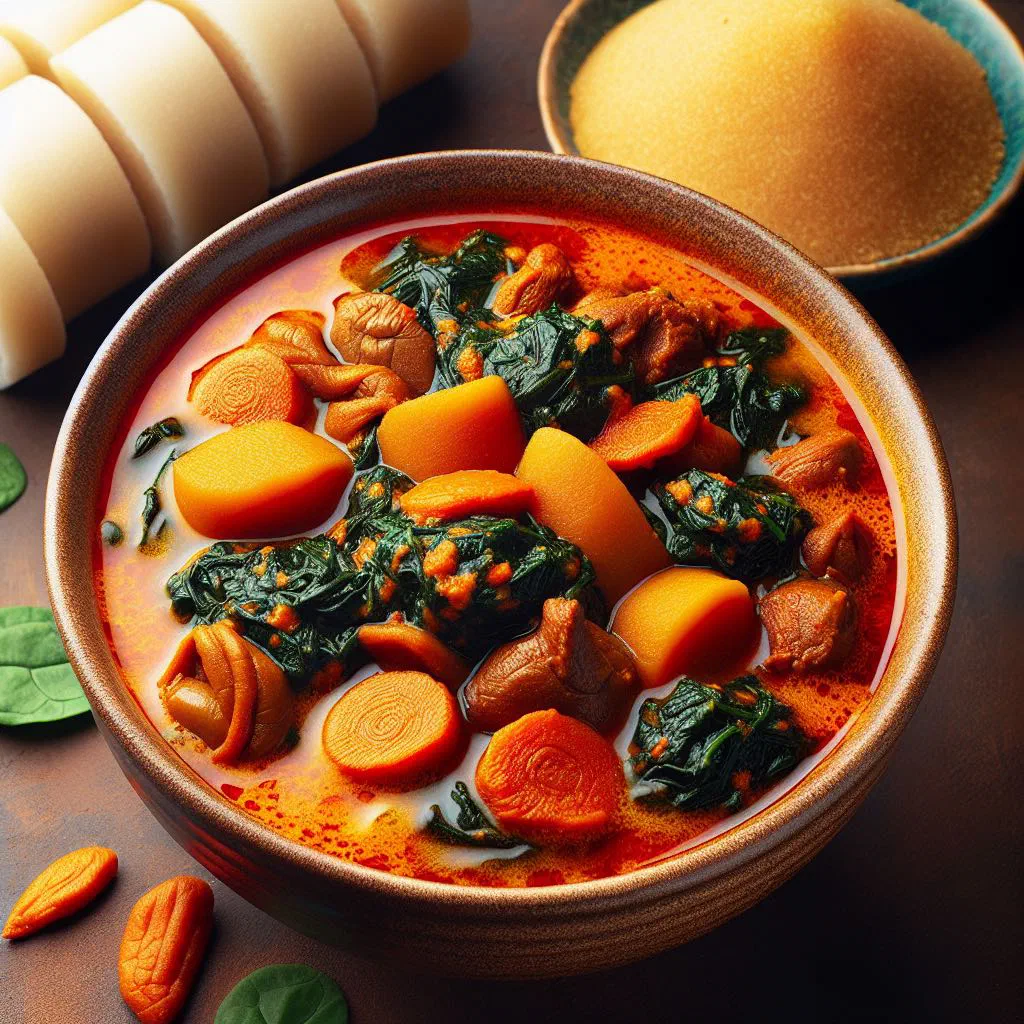
In this article
Discover Banga Stew, one of Nigeria’s most treasured comfort dishes. Built around a deeply flavoured palm nut sauce, it brings together tender pieces of meat, fresh chillies and a chorus of warming spices for a bowl that feels like home. As it simmers, the kitchen fills with the scent of herbs and spice, promising a hearty, satisfying meal. This Niger Delta classic never fails to win people over.
About Banga Stew
Banga Stew is a traditional Nigerian national dish celebrated as much for its unmistakable taste as for the layers of aroma it delivers. The heart of the dish is a rich, palm-oil-based banga sauce that carries tender chunks of meat alongside an array of fragrant spices and seasonings. Even during cooking, the scent of spice and fresh herbs fills the room and stirs a sense of tradition and belonging. Perfect for festive gatherings or a hearty midday meal, Banga Stew keeps every food lover coming back for more.
Ingredients (serves 1–2)
- 250 ml banga (palm nut) sauce
- 300 g beef or goat meat, cut into pieces
- 1 onion, finely chopped
- 2–3 fresh chillies, to taste
- 1 teaspoon salt
- 1 teaspoon seasoning paste (e.g. garlic and ginger)
- 100 ml water
- Fresh herbs (such as bitterleaf or parsley), to garnish
Shopping for the ingredients
The main ingredients for Banga Stew can be found in most African or Asian grocery stores. Look for fresh banga sauce, as the quality of the sauce has a direct effect on the flavour of the finished dish. The meat should be fresh and of good quality too, so it stays tender through the long simmer. Do not forget to pick up fresh herbs. They add the finishing touch and help bring all the aromas to life.
Preparing the dish
Before cooking begins, take a little time to prepare everything carefully. Finely chop the onions so their aroma spreads evenly through the stew. Cut the meat into small pieces so it cooks through and stays tender. Add the fresh chillies to taste, if you like things hotter, reach for more chillies or a stronger variety. This bit of groundwork keeps the cooking relaxed and steady.
Step-by-step instructions
- Heat the palm oil in a large pot and add the chopped onions, frying them until golden brown.
- Add the prepared meat and brown it well on all sides.
- Pour in the banga sauce and the water, stirring thoroughly to combine.
- Add the spices, salt and chillies, then let everything simmer over medium heat until the meat is tender.
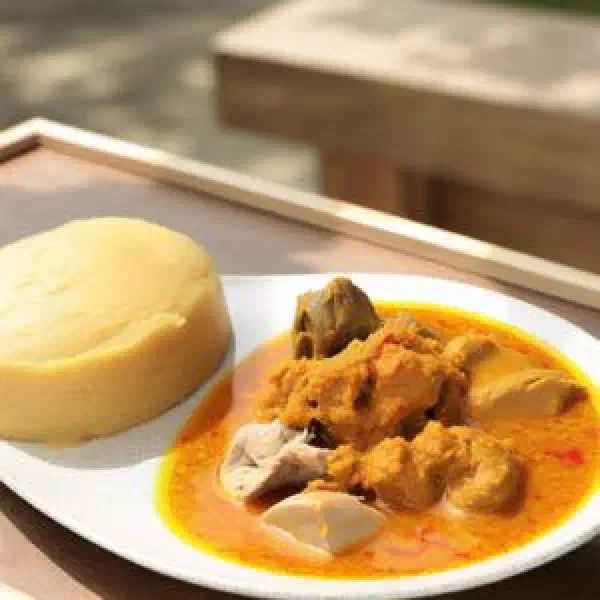
- Garnish with fresh herbs and serve hot with rice or Pounded Yam.
Gluten-free / lactose-free version
Banga Stew is naturally gluten-free and lactose-free, which makes it a wonderful choice for anyone with food intolerances. Simply stick to the ingredients listed and take care not to add any gluten-containing seasonings or additives. Do not miss the chance to savour this delicious dish, whatever your dietary needs may be.
Tips for vegans and vegetarians
Banga Stew is easy to make vegan by swapping the meat for plant-based proteins such as tofu or seitan. These alternatives soak up the flavours of the banga sauce beautifully and give a satisfying texture. To keep the dish fully vegan, make sure the seasonings and sauces you use are free from animal products. With that in mind, nothing stands between you and a delicious meal, much like a hearty bowl of Moin Moin.
More tips and tricks
One important tip when making Banga Stew is to use good-quality palm oil, as it has an enormous influence on the taste. You can also experiment by adding spices such as nutmeg or coriander to tune the dish to your liking. To deepen the flavours even further, let the stew rest for a while after cooking. This can improve the taste considerably. Finally, garnishing with fresh herbs is a simple yet effective way to bring freshness and colour to the bowl.
Adapting the recipe to your taste
Banga Stew is extremely adaptable and easy to tailor to personal preference. If you enjoy spicier dishes, add more chillies or try hot seasonings such as cayenne pepper. For a creamier sauce, a splash of coconut milk can enrich the dish. You can also stir in vegetables of your choice, such as carrots or okra, to boost both nutrition and flavour.
Ingredient substitutions
If certain ingredients are hard to find, there are always alternatives. The meat, for example, can be replaced with pulses such as chickpeas or lentils, which are high in protein and make the dish just as filling. If you do not have palm oil to hand, you can combine other oils with coconut oil to achieve a similar smoothness. When it comes to spices, feel free to experiment and test different flavours to suit your mood, the same spirit of improvisation that gives Egusi Soup its endless variety.
Drink pairing ideas
To accompany Banga Stew, light and refreshing drinks work best to balance the intense flavours. A classic Nigerian drink such as Zobo or a zingy lime juice would be a perfect match. You might also consider a cloudy apple or grape juice, which adds a touch of sweetness and offsets the heat of the stew nicely. In the end, the choice of drink comes down to your personal taste and preference.
Serving and presentation ideas
Presentation plays a key role in the whole experience. Serve Banga Stew in a handsome bowl, garnished with fresh herbs and a slice of lime for a splash of colour. For a special occasion, arrange pounded yam in a separate dish to create an attractive colour contrast. Adding a bright salad on the side looks appealing and brings freshness to the meal. Remember, we eat with our eyes first.
A bit of history
Banga Stew is a dish rooted deep in Nigerian culture, traditionally linked to family celebrations and festive occasions. It has its origins in the Niger Delta, where it is a much-loved dish passed down from generation to generation. The use of palm oil in the kitchen has historical reasons, as it is a staple ingredient across many southern African cuisines. Every family recipe may show its own variations, reflecting the diversity of regional Nigerian cuisine and the ingredients it draws on.
More recipe ideas
Summary: Banga Stew
In summary, Banga Stew is a truly distinctive dish that unites Nigerian tradition with outstanding flavour. With its rich banga sauce, tender pieces of meat and generous variety of spices, it offers an incomparable eating experience. Banga Stew is sure to win your heart. Give it a try and let this culinary experience cast its spell on you.