National Dish Nigeria: Bitterleaf Soup (Recipe)
In this article
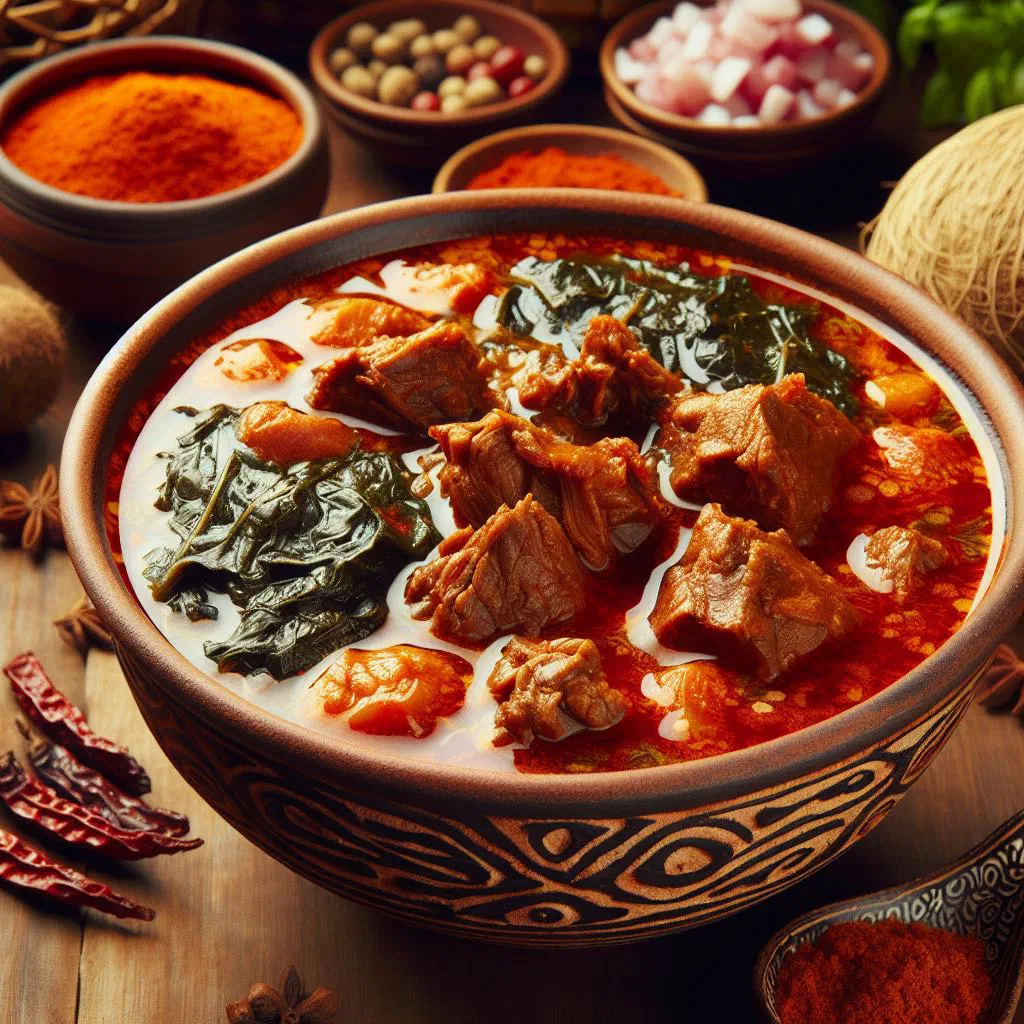
Discover Bitterleaf Soup, one of Nigeria’s most distinctive dishes. This traditional favourite brings together pleasantly bitter greens, tender meat and a rich, spiced broth. Slow-cooked until every flavour has had time to bloom, it is a warming, nourishing bowl that suits both a festive gathering and a hearty family supper. Bring the bold, comforting flavours of West Africa straight into your own kitchen.
About Bitterleaf Soup
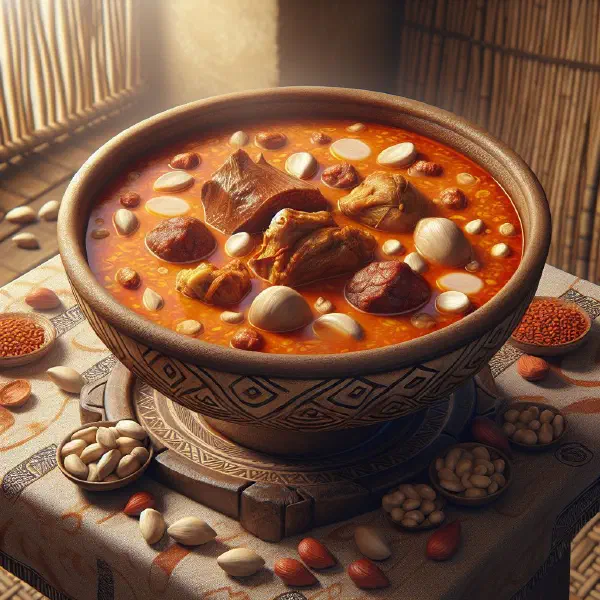
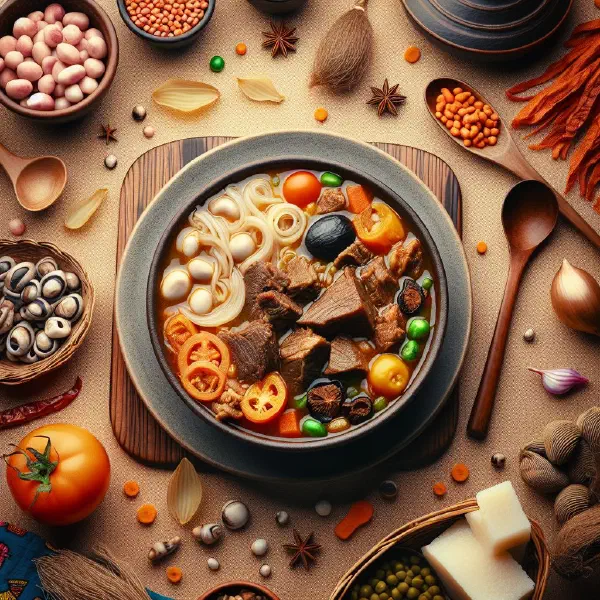
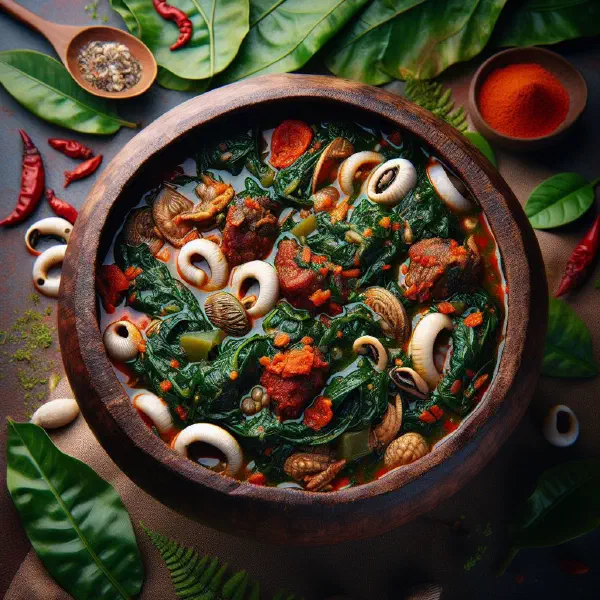
Bitterleaf Soup is a striking dish from Nigerian cuisine, celebrated for its one-of-a-kind flavour. Made with the traditional bitter leaves that give the soup its unmistakable taste, it is as much a piece of African heritage as it is a culinary treat. The dish often features a combination of different meats such as beef, chicken or even fish, all simmered slowly in a rich, well-spiced broth. Frequently served with rice or fufu, Bitterleaf Soup makes for a complete meal that is both nourishing and deeply satisfying.
Ingredients (serves 1–2)
- 2 cups bitter leaves (fresh or dried)
- 500 g meat (such as beef or poultry)
- 1 onion, roughly chopped
- 2–3 cups water
- 2–3 tablespoons palm oil
- 2–3 tablespoons seasonings (such as garlic, ginger, chilli)
- Salt to taste
Shopping for the ingredients
When shopping for Bitterleaf Soup, it is worth using fresh ingredients to get the very best flavour. Look for fresh bitter leaves, which are available in African or international grocery shops. If you cannot find them fresh, dried bitter leaves work well too. Just soak them beforehand. Take care to choose good-quality meat or other protein sources so the soup turns out flavourful and nourishing.
Preparing the dish
Preparing Bitterleaf Soup takes only a few steps, but each one matters for the final taste. First, wash the bitter leaves thoroughly to soften their bitterness; rinsing and squeezing them several times does the trick. Cut the meat into even pieces and brown it together with the onions in a pot to intensify the aroma. Have all your seasonings ready too, including any herbs that will lend the soup an extra layer of flavour.
Step-by-step instructions
- Put the meat into a large pot and bring it to the boil with water, onions and seasonings.
- Reduce the heat and let the meat simmer for at least 30 minutes, until tender.
- Add the bitter leaves and cook for a further 10 minutes.
- Stir in the palm oil and mix well so everything is combined.
- Season the soup with salt to taste and serve.
Gluten-free / lactose-free version
Bitterleaf Soup is naturally gluten-free and lactose-free, as it contains neither grain products nor dairy. That makes it an excellent choice for anyone with these food intolerances. Just take care that any stock or spice blends you use are also free from gluten. Sticking to fresh, unprocessed ingredients keeps the dish wholesome and light.
Tips for vegans and vegetarians
For vegan or vegetarian versions of Bitterleaf Soup, plant-based proteins such as tofu or seitan work beautifully. Pulses like chickpeas or lentils also make a nourishing alternative to meat. To boost the depth of the broth, add vegetable stock or a splash of coconut milk. The bitter leaves stay exactly the same and continue to carry the dish’s signature aroma, while offering plenty of nutrients.
More tips and tricks
To get the most out of your Bitterleaf Soup, a few handy tips are worth bearing in mind. Experiment with different seasonings to fine-tune the flavour to your liking. A longer cooking time can also help the flavours develop and deepen. Remember to prepare the bitter leaves well so you can dial the bitterness up or down as you prefer. A squeeze of lemon juice can likewise help balance the taste.
Adapting the recipe to your taste
This Bitterleaf Soup recipe is wonderfully adaptable and easy to tailor to personal preference. Like it hotter? Add more chilli or fresh peppers. For a milder bowl, simply cut back on the seasonings. Customise the ingredients, extra vegetables or different proteins, to vary the dish to your taste. Experimenting with different versions of the broth can open up new flavour experiences too, much like a hearty Egusi Soup.
Ingredient substitutions
If certain ingredients are hard to find, there are a few alternatives you can use. Instead of bitter leaves, other greens such as spinach or kale work well, though they will change the flavour, the same swap suits a leafy Efo Riro. Palm oil can be replaced with coconut oil if you want a different flavour note. Meat can be substituted with a range of plant-based options to make the dish suitable for every kind of diet.
Drink pairing ideas
Bitterleaf Soup pairs beautifully with a variety of drinks to round off the meal. A light, refreshing lemon juice or a fruit spritzer complements the flavours of the dish nicely. Traditional Nigerian palm wine, or drinks with fruity notes, also make for an exciting combination. For something refreshing, consider a herbal tea that is not too dominant and lets the food’s flavour shine through.
Serving and presentation ideas
The presentation of Bitterleaf Soup can lift the whole experience. Serve the soup in deep, rustic bowls that give the dish a traditional feel. Garnish with fresh herbs or a little citrus for a bright, appealing look. Together with the accompanying rice or fufu, everything should be arranged harmoniously so the plate is as pleasing to the eye as it is to the palate. It sits well alongside a soft mound of Pounded Yam.
A bit of history
Bitterleaf Soup has its roots in Nigerian culture and is often served on special occasions. This dish is a source of nourishment for many people and a symbol of community and family. In many Nigerian communities, sharing a meal is a central part of social life. The bitter leaves have traditionally been valued for their health benefits and are widely used in folk medicine.
More recipe ideas
Summary: Bitterleaf Soup
In summary, Bitterleaf Soup is a delicious dish and a reflection of a deeply rooted tradition in Nigerian culture. With its unique combination of bitter leaves and hearty meat, it is a true taste experience. Whether for special occasions or as a warming family meal, it brings the flavours of Nigeria straight into your home, a proud staple of Nigerian cuisine. Let the variety and possibilities of this wonderful dish inspire you.