National Dish Nigeria: Egusi Stew (Recipe)
In this article
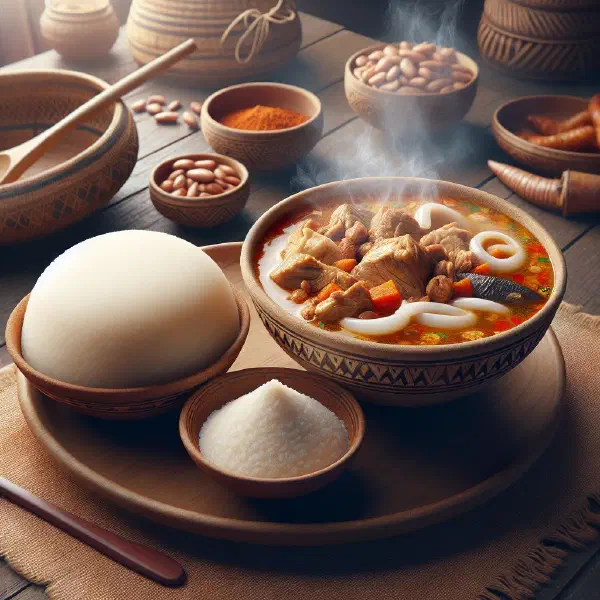
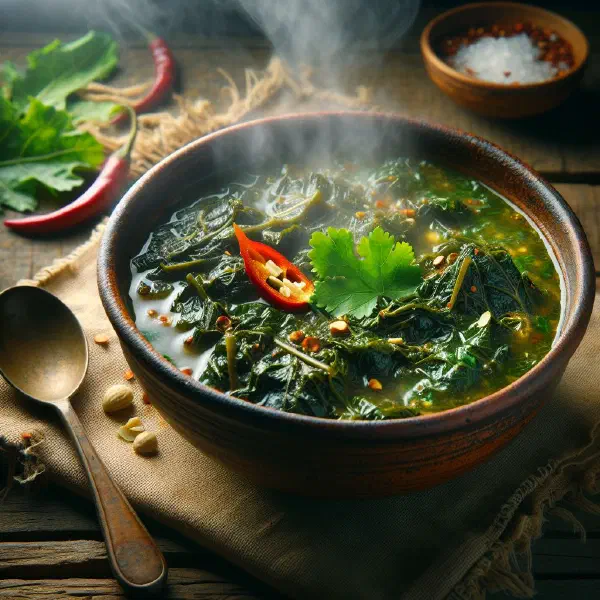
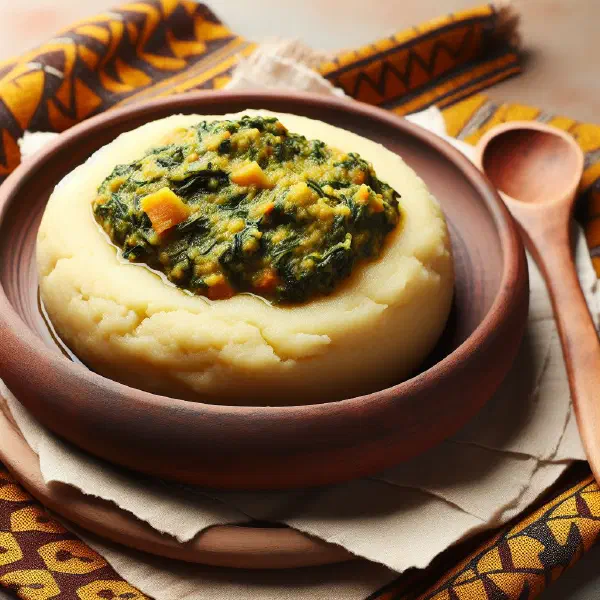
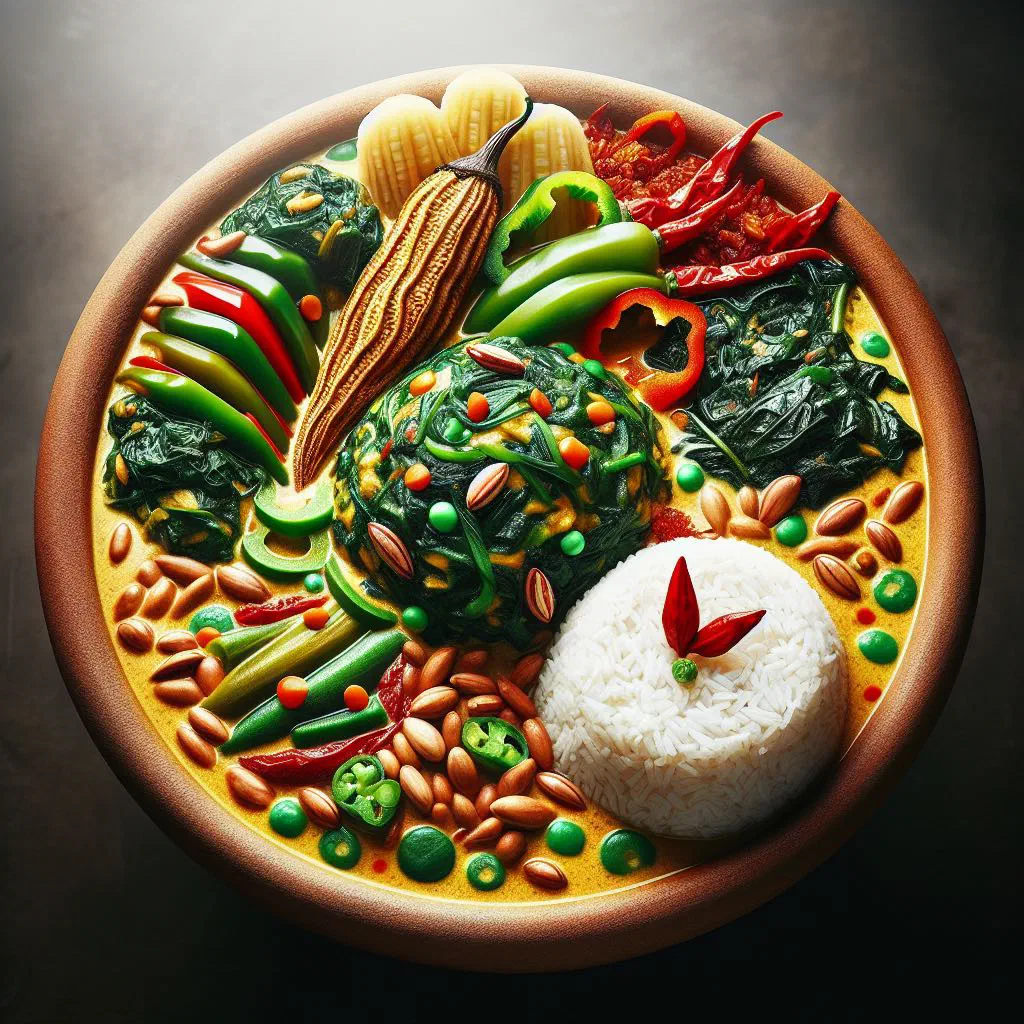
Meet Egusi Stew, one of the most beloved dishes in all of Nigerian cooking. Built around ground melon seeds, it delivers a thick, nutty richness that sets it apart from any other stew. Simmered with fresh greens, tomatoes and fiery Scotch bonnet chillies, it is the kind of hearty, warming dish that takes pride of place on the buffet at celebrations and family gatherings. Bring a taste of West Africa straight to your own kitchen with this comforting classic.
About Egusi Stew
Egusi Stew is a distinctive dish of Nigerian cooking, prepared from ground melon seeds. These seeds are not only an excellent source of protein, they also give the stew its characteristic nutty flavour. At festivities and celebrations across Nigeria, egusi is often the centrepiece of the buffet, a dish that brings tradition and flavour together in one pot.
Ingredients (serves 1–2)
- 1 cup ground melon seeds (egusi)
- 2 cups water or stock
- 1 onion, diced
- 2–3 cloves garlic, chopped
- 1 piece fresh ginger, grated
- 1 cup spinach or other leafy greens
- 2 tomatoes, puréed or diced
- 1–2 Scotch bonnet chillies (to taste)
- Oil, for frying
- Salt and pepper, to taste
Shopping for the ingredients
The ingredients for egusi stew are available in many supermarkets and African or Asian grocery shops. The melon seeds can usually be found in the international aisle or ordered online. When buying vegetables, look for produce that is fresh and crisp so the dish gets the best possible flavour. Spices such as Scotch bonnet chillies give the stew its characteristic heat, well worth keeping in mind if you have a fondness for fiery food.
Preparing the dish
Before you begin cooking the egusi stew, all the ingredients should be prepared. That means washing the vegetables thoroughly and cutting them into suitable pieces. The aromatics, including the garlic and ginger, should also be freshly prepared to draw out the best flavour. Allow yourself enough time so the aromas can come together with the egusi and shine at their best.
Step-by-step instructions
- Heat the oil in a large pot and sauté the onion until translucent.
- Add the garlic and ginger and fry briefly until fragrant.
- Stir in the puréed vegetables (tomatoes) and the Scotch bonnet chillies, and let the mixture simmer until it thickens.
- Stir in the ground melon seeds and mix everything together well.
- Slowly add the water or stock to reach the consistency you want.
- Stir in the leafy greens and let it simmer for a further 10 minutes.
- Season with salt and pepper, then serve.
Gluten-free / lactose-free version
Egusi stew is naturally gluten-free and lactose-free, as the main ingredients contain neither gluten-based products nor dairy. For an even healthier version you can reach for healthy oils such as olive oil or coconut oil to start the dish off. It is still worth checking the labels of any other ingredients, however, to be sure there are no hidden sources of gluten.
Tips for vegans and vegetarians
For vegans and vegetarians, egusi stew is an excellent choice, as it supplies a wealth of nutrients. You can adapt the recipe to taste by adding extra vegetables such as carrots or aubergines. It is important to make sure that every ingredient you use is plant-based, so the dish stays fully vegan. Pay particular attention to the spices, checking that none of them contain animal products.
More tips and tricks
To make your egusi stew even tastier, consider adding a variety of herbs. Basil, thyme or coriander can heighten the flavours and lend the dish an interesting new note. You can also experiment as you cook, adjusting to reach the perfect heat or consistency to suit your taste. Remember that a slow simmer helps the flavours develop and gives you an outstanding result. The same patient approach rewards a well-made Okra Stew.
Adapting the recipe to your taste
The flexibility of egusi stew means the recipe is easy to tailor to personal preference. If you are not keen on heat, for example, you can leave out the chillies or swap them for milder peppers. For more bite, add nuts or extra pulses. Be creative with your choice of vegetables, too, as you can also work in pumpkin or courgette to make the stew even more nourishing.
Ingredient substitutions
If some ingredients are hard to find, there are alternative options. Instead of ground melon seeds you can use ground almonds or even sesame to give the dish a new flavour direction. For the chillies, milder peppers will minimise the heat. Do take care to adjust the cooking times where needed, so you still reach the right texture and the flavour you are after. Melon seeds also lend their signature richness to a hearty Yam With Egusi Sauce.
Drink pairing ideas
To round off the flavour experience of egusi stew, African beers or grape juice pair beautifully. A fresh lemonade or coconut water can also make a refreshing accompaniment that pleasantly balances the spices in the dish. If you are looking for an alcohol-free alternative, try a fruity smoothie to complement the aromas of the stew. That way the meal stays light and refreshing at the same time.
Serving and presentation ideas
Presentation plays a decisive role in a dish and can greatly influence the overall impression. Serve the egusi stew in a lovely bowl, garnished with fresh herbs such as coriander or parsley to create a lively contrast of colour. Make use of colourful sides such as rice or fufu to achieve an appealing arrangement on the plate. Small dishes of chillies or extra spices on the side can also make an attractive addition.
A bit of history
Egusi stew has its roots in traditional Nigerian cooking and is a symbol of the variety and richness of West African cuisine. The use of melon seeds as a main ingredient is an old practice that speaks to the availability of local resources. In many Nigerian cultures, egusi is served on festive occasions and is often part of large family celebrations. Its preparation has evolved over the years, yet at its heart it remains a dish that brings community and family together, much like the rest of Nigerian cuisine.
More recipe ideas
Summary: Egusi Stew
Egusi stew is not only a festive main course, it is also a delicious meeting of flavour and culture. Whether as a main dish or a side, it offers a wealth of nutrients and a unique taste that appeals to locals and guests alike. The preparation is relatively simple and leaves plenty of room to adapt to personal preference. Thanks to its flavoursome ingredients and its important cultural role, egusi stew is a wonderful addition to any tour.