National Dish Nigeria: Eko (Recipe)
In this article
Discover Eko, a comforting staple of Nigerian home cooking made from fermented cornmeal. Also known as ogi or pap, this smooth, satisfying dish carries a gentle, tangy corn flavour that pairs beautifully with almost any sauce or stew. Wholesome and naturally free from gluten and dairy, Eko has nourished families across Nigeria for generations. Simple to make and endlessly versatile, it brings a taste of West African tradition straight to your own kitchen.
About Eko
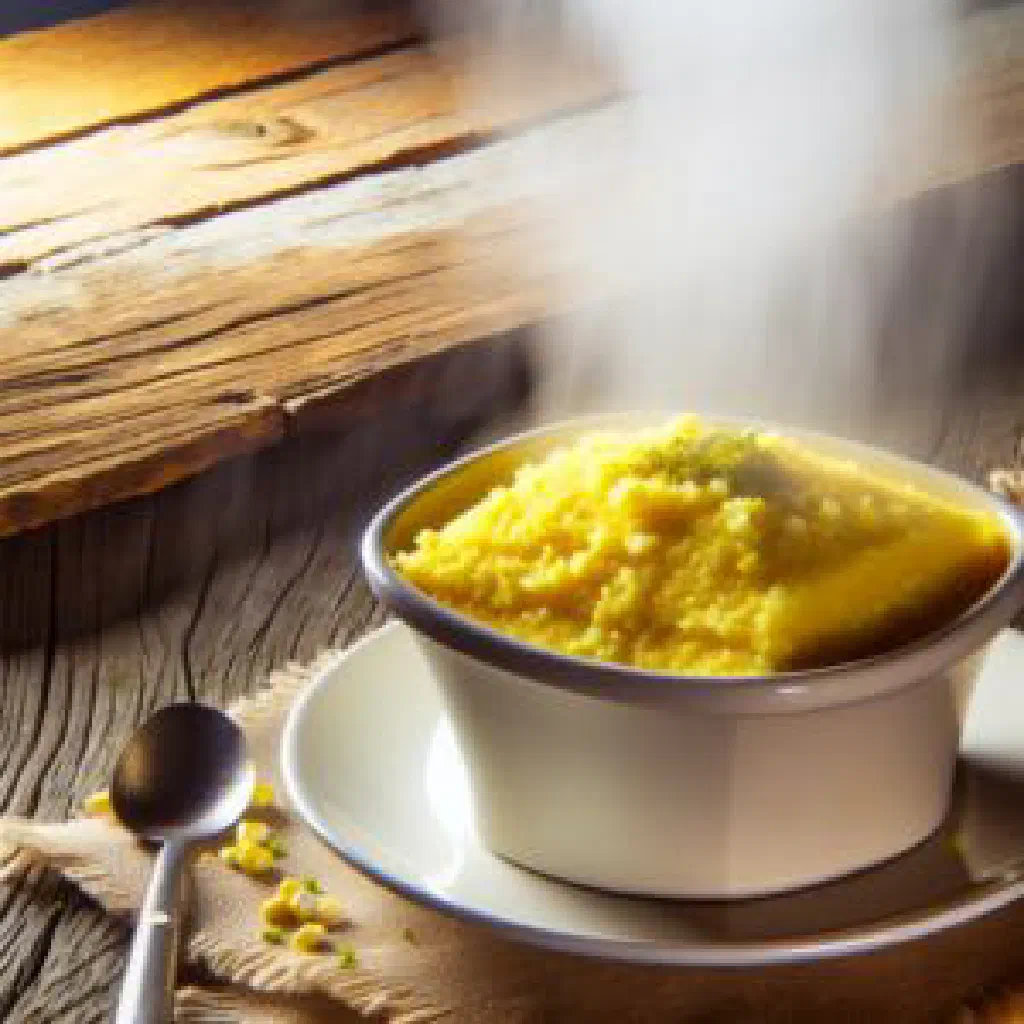
Eko, also known as ogi or pap, is a traditional dish from Nigeria made from fermented cornmeal. It has a hearty texture and charms the palate with its mild corn flavour. This nourishing dish is a firm fixture of Nigerian food culture and is often served as an accompaniment to a range of sauces and vegetables. With its filling quality, Eko is a wonderful choice for a balanced meal that satisfies hunger and provides lasting energy.
Ingredients (serves 1–2)
- 1 cup fermented cornmeal
- 3 cups water
- 1 teaspoon salt
- 2 tablespoons oil (optional, e.g. palm oil)
Shopping for the ingredients
The ingredients for making Eko are relatively easy to find. The fermented cornmeal can be bought at Asian or African grocery shops. Make sure the meal is well processed and fresh to guarantee the best flavour. Salt and oil are available in any supermarket and should never be missing from a well-stocked kitchen. If you enjoy this kind of corn-based cooking, you might also like Egbo or a warming Cornmeal Porridge.
Preparing the dish
Before you start making Eko, it is important to have the right utensils ready. You will need a large pot, a whisk or spoon for stirring, and a bowl for the finished consistency. Decide too whether you would like to serve your Eko traditionally on a plate or in small individual portions. This preparation ensures the cooking process runs smoothly and that you achieve the best possible result.
Step-by-step instructions
- Bring the water to the boil in a large pot.
- Add the fermented cornmeal slowly while stirring constantly, to avoid lumps.
- Reduce the heat and let the mixture simmer, stirring occasionally, for around 10 to 15 minutes.
- Add the salt and oil and stir everything thoroughly until you have a smooth mass.
- Pour the mixture into a bowl or onto a plate and let it cool a little.
Gluten-free / lactose-free version
One of the great advantages of Eko is that it is naturally gluten-free and lactose-free. Using fermented cornmeal means that people with a gluten intolerance or lactose intolerance can safely enjoy this dish. It is important to check that your ingredients are pure, to make sure no hidden sources of gluten sneak in. Eko is therefore an excellent option for anyone who needs to adapt their diet.
Tips for vegans and vegetarians
Eko is naturally a vegan dish, as it contains no animal products. For vegans and vegetarians, it is worth choosing organic ingredients when adding the salt and oil to draw out the best health benefits. Eko pairs easily with vegetables or plant-based sauces to make a complete, nourishing meal. Experiment with different vegetable-based sauces to add extra layers of flavour to your dish.
More tips and tricks
To influence the consistency of Eko, you can vary the amount of water. Less water gives a denser texture, while more water produces a softer result. Play with different temperatures during cooking to find the perfect Eko for your taste. You can also experiment with spices to tailor the dish to your own preferences.
Adapting the recipe to your taste
Making Eko leaves plenty of room for creative adaptations. You can add different vegetables such as spinach or carrots to bring more nutrients and colour to your dish. A combination of various spices can also lead to a whole new flavour profile. Do not be afraid to experiment with the recipe and take your own preferences into account.
Ingredient substitutions
If you do not have fermented cornmeal to hand, you can also use a mixture of cornstarch and water to achieve a similar consistency. In addition, different oils such as olive oil or coconut oil can be tried for varied flavours. Just make sure that any alternatives you choose still lead to a tasty result. Experimenting with substitutions can bring exciting new tastes to the table.
Drink pairing ideas
A range of drinks pairs well with Eko, complementing the dish’s mild flavour. Traditionally, Eko is often served with a refreshing lemon water or fruit juice. Plant-based milk alternatives can also make a harmonious combination. For a festive touch, you might serve a glass of palm wine, a much-loved Nigerian drink. A cooling Kunu Zaki is another lovely traditional option.
Serving and presentation ideas
The presentation of Eko can be enhanced with fresh herbs or colourful vegetables. Serve it on a stylish plate and garnish it with a bright layer of vegetables. Alternatively, small portions can be arranged in bowls to create visual variety. An appealing presentation makes the food more attractive and noticeably lifts the whole dining experience.
A bit of history
Eko has a long and deep history within Nigerian culture. It has traditionally been prepared for many generations and symbolises the connection to nature and the local cultivation of corn. Its popularity has spread beyond the borders of Nigeria, and today it is also cherished in other West African countries. Eko stands for a dish and for the cultural identity and the culinary diversity of Nigerian cuisine.
More recipe ideas
Summary: Eko
In summary, Eko is a delicious and nourishing dish that perfectly represents the rich Nigerian cuisine. With its simple preparation and versatile uses, it works wonderfully as an accompaniment to a variety of foods. Tasty sauces and side dishes harmonise beautifully with Eko and add real depth of flavour. Whether for everyday meals or special occasions, Eko is an excellent choice for anyone keen to discover the art of Nigerian cooking.