National Dish Nigeria: Ofe Nsala (Recipe)
In this article
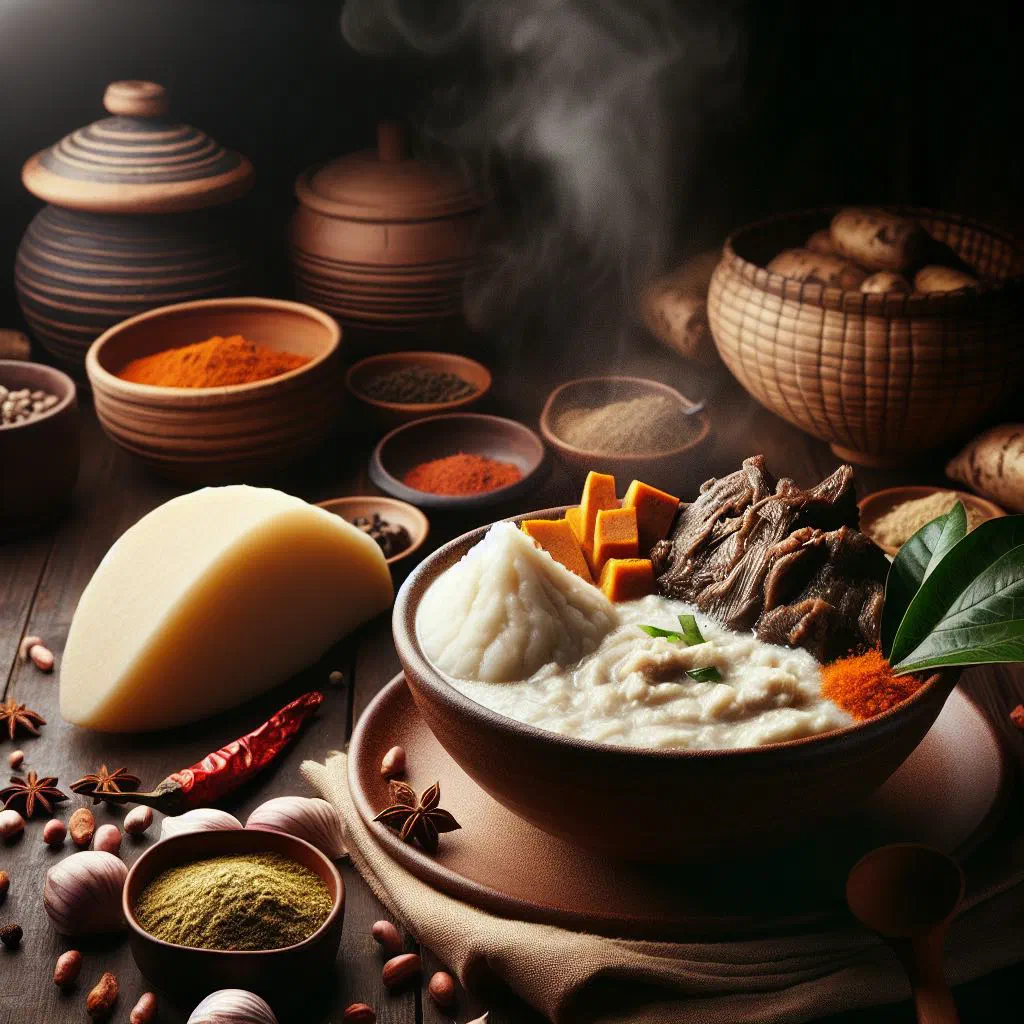
Discover Ofe Nsala, one of Nigeria’s most cherished soups. Known as the “white soup”, this comforting dish comes from Igbo tradition and skips tomatoes entirely for a wonderfully mild, aromatic broth. Built around tender meat or fish, warming spices and a whisper of white pepper, it is the kind of dish reserved for celebrations and unhurried family meals. Bring a taste of the eastern Nigerian table straight to your own kitchen.
About Ofe Nsala
Ofe Nsala, better known as the white soup, is a delicious Nigerian classic rooted in Igbo culture. It is traditionally made without tomatoes, which gives it a distinctive, gentle flavour quite unlike the country’s red stews. The dish is especially popular for festive occasions and is usually served with meat or fish. The heartiness of the ingredients combined with the fragrant broth makes Ofe Nsala a genuine delicacy.
Ingredients (serves 1–2)
- 500 g chicken or beef
- 2–3 handfuls of ugu leaves (or spinach as an alternative)
- 1 cup palm oil
- 1 cup water
- 1–2 cloves of garlic
- 4–5 seasoning leaves (or bay leaves)
- Salt and pepper to taste
- 1–2 teaspoons of a local spice blend
Shopping for the ingredients
To prepare Ofe Nsala, you will want fresh, good-quality ingredients. Visit a local market to buy chicken or beef from a trusted vendor. Ugu leaves, which bring superb aroma to the pot, can be found in specialist African shops or in Asian grocery stores. Remember to pick up the appropriate spices too, as these are essential to the soup’s characteristic taste.
Preparing the dish
Good preparation is key to letting the flavours of Ofe Nsala unfold. Start by washing the meat and cutting it into bite-sized pieces. Next, wash the ugu leaves thoroughly and chop them coarsely. These steps make sure everything cooks through evenly and that the aromas combine to their best advantage.
Step-by-step instructions
- Bring the meat to the boil in a pot with water and the seasoning leaves.
- Reduce the heat and simmer the meat for about 40–50 minutes, until tender.
- Lift the cooked meat out of the pot and set it aside.
- Add the garlic to the same broth and blend to a smooth consistency.
- Return the blended mixture to the pot.
- Stir in the palm oil and the ugu leaves and mix everything well.
- Season with salt, pepper and the spice blend, then simmer for a further 10–15 minutes.
- Serve the soup hot, ideally with a side such as Pounded Yam.
Gluten-free / lactose-free version
Ofe Nsala is naturally gluten-free and easily adapted for anyone who is lactose intolerant. Avoid adding milk or dairy products, as they have no place in this dish. Instead, the palm oil, which gives the soup its rich body, is simply kept as it is. That way everyone can enjoy the dish without worrying about intolerances.
Tips for vegans and vegetarians
Although Ofe Nsala is traditionally made with meat, it is possible to create a vegan or vegetarian version. Replace the meat with tofu or vegetables such as carrots and potatoes for a tasty, satisfying soup. Just make sure the broth stays aromatic by using plenty of vegetable stock and spices. These tweaks offer a healthy option and a delicious, plant-based take on the dish.
More tips and tricks
To deepen the flavour of Ofe Nsala, try marinating the meat before cooking it. Spices such as pepper, ginger and garlic bring extra layers of aroma to the pot. Experiment with the amount of palm oil to reach the consistency you like, more oil gives a richer soup. Let the different heat levels of the spices inspire you as you dial the dish in to your own taste.
Adapting the recipe to your taste
Ofe Nsala is easy to tailor to personal preference. Add extra vegetables to boost the nutritional value, or use different kinds of meat depending on what is available and what you enjoy. If you like it hot, work in some chilli or cayenne pepper for an extra kick. Another option is to let the broth simmer for longer to develop deeper, more intense flavours.
Ingredient substitutions
If you struggle to find some of the traditional ingredients, there are always alternatives. Ugu leaves can be swapped for spinach or chard, much like the greens that shine in a hearty Ugu Soup, while the meat can be replaced with various plant-based protein sources. The spices are flexible too, in place of a single blend, try a combination of whatever is available locally. This keeps the dish versatile and accessible to every cook.
Drink pairing ideas
A range of drinks pairs beautifully with Ofe Nsala. A freshly squeezed lime juice or a fruity cocktail with mango or pineapple highlights the flavours of the soup. Alternatively, a slightly bitter green tea is a great choice for balancing the savoury, creamy notes of the dish. For anyone keeping their distance from alcohol, sparkling water with a slice of lemon makes an equally refreshing companion.
Serving and presentation ideas
Presentation can add a great deal to the enjoyment of Ofe Nsala. Serve the soup in deep, attractive bowls that show off the warm golden colour of the palm oil. Garnish the dish with fresh ugu leaves or a little chopped chilli for an extra splash of colour. A nicely laid table with matching napkins and crockery is a lovely invitation to savour the whole experience.
A bit of history
Ofe Nsala has a long tradition in Nigerian cooking, particularly within the Igbo community. It is said that this dish was originally prepared to mark special occasions. The dignity of the dish is reflected in the way it is made and in the careful choice of ingredients. It is not merely a food but a symbol of culture and community, one that draws people together and enriches celebratory moments across Nigerian cuisine.
More recipe ideas
Summary: Ofe Nsala
In short, Ofe Nsala is a fascinating dish that captures the flavours of Nigeria to perfection. The combination of tender meat, aromatic spices and its uniquely mild broth makes it a true taste sensation. Whether for celebrations or as a comforting meal on a cool evening, Ofe Nsala offers a delicious and nourishing option for everyone. Try this dish today and experience the wonderful variety of Nigerian cooking.